How Coffee Beans Are Harvested and Processed: Natural, Washed, Honey
Ever wonder why some coffees taste bright and clean while others are syrupy and bold? The secret isn’t just in the roast — it starts on the farm. The way coffee cherries are picked and processed profoundly shapes your cup’s sweetness, acidity, and body. But not every cherry makes the cut, and the method used after harvest determines much of what you taste.
To make great specialty coffee, farmers must harvest only ripe red cherries — the ones that’ve turned sweet as acids convert to sugars. Unripe or overripe cherries ruin flavor, and the wrong processing method can amplify defects. Here’s exactly how coffee cherries are sorted and processed to become the beans in your brew.
Step One: Sorting the Good from the Bad
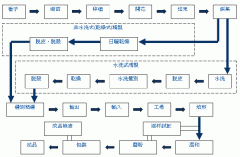
Right after picking, coffee cherries must be processed the same day. The first task? Remove underripe, damaged, or overripe fruit. The simplest and most effective method? Water sorting. Farmers dump the cherries into a tank — ripe, red cherries and slightly underripe ones sink due to higher density, while unripe green cherries, overripe pulp, insects, leaves, and damaged fruit float. These ‘floaters’ are skimmed off. Only the dense, ripe cherries that sink move forward for processing. From here, the choice of method — natural, washed, Brazilian semi-washed, or mechanical honey — depends on climate, infrastructure, and tradition.

Natural (Dry) Process: Sun-Dried Whole
The natural process is the oldest and simplest method, still widely used in Ethiopia and Yemen. Ripe (and sometimes slightly underripe) cherries are spread in thin layers on raised beds or patios to dry in the sun. Depending on weather, this takes about two to four weeks. During drying, the cherries harden as their moisture content drops to around 12%. Once dry, a machine removes the brittle outer fruit and parchment to reveal the green coffee bean inside. This ‘all-in-one’ method preserves the fruit’s sugars and acids, often leading to fuller body, more pronounced fruitiness, and a sweeter cup — but requires steady sunshine and careful turning to avoid mold.
Washed (Wet) Process: Clean, Bright, and Technical
The washed process is the most popular method worldwide, especially in Central and South America (except Brazil). It highlights clarity, acidity, and cleanliness in the cup — but demands significant water and skill. First, ripe cherries are sorted in water tanks. The good ones sink; the bad float and are discarded. Next, a pulping machine removes the skin and some pulp, using pressure calibrated so that only ripe beans — whose beans easily slip out of their mucilage — pass through. The machine’s force is set so roughly 3% of slightly underripe cherries are rejected to avoid astringency. Then the sticky beans covered in mucilage go into fermentation tanks for 16 to 36 hours (depending on temperature), where natural enzymes break down the sugary mucilage into acids like acetic, lactic, and citric. This phase develops the coffee’s bright acidity but must be carefully monitored. Ferment too long — over 36 to 72 hours — and the batch risks sour, rotten off-flavors and over-acidity. After washing off the broken-down mucilage, the beans are dried on patios or raised beds until they reach 11–12% moisture.
Brazilian Semi-Washed (Pulped Natural): Dry After Pulping
Brazil pioneered a unique approach called the semi-washed or pulped natural method, especially suited to its dry climate. When around 75% of cherries on a tree are red, machines harvest them all. The harvest then goes through the same initial float-and-sink sorting, followed by pulping to remove the skin. But instead of fermenting the sticky mucilage-covered beans, they’re laid out to dry in the sun on patios. Brazil’s low humidity allows the mucilage to dry solid in about a day. Workers regularly turn the beans by hand to ensure even drying and prevent mold. After two to three days, any remaining moisture is removed in mechanical dryers until the beans reach 10.5–12% moisture. The beans are then stored for about ten days to stabilize before hulling the parchment layer off. This method results in a cup that’s clean yet sweet, with lower acidity and more body than washed coffee — a hallmark of many Brazilian specialty lots.
Mechanical Honey (Semi-Washed) Process: Waterless Mucilage Drying
In regions too humid for traditional sun-drying of mucilage-covered beans, farmers use a mechanical alternative. After sorting and pulping, instead of fermenting or sun-drying the sticky beans, they go straight into a demucilager — a machine that uses minimal water and mechanical scrubbing to strip off most of the mucilage, though usually not all. What remains is a partially mucilage-coated bean, which is then dried on patios or raised beds until reaching 12% moisture. This ‘mechanical honey’ or semi-washed method cuts water use drastically while still delivering some of the sweetness and body associated with honey or natural processing. It’s efficient, economical, and works better in wetter climates.
Why Processing Matters
From the moment cherries are picked, every decision impacts your cup. Ripe selection boosts sweetness. Sorting removes defects. Processing determines whether your coffee tastes clean, fruity, sweet, or heavy. Natural processing amplifies fruit and body. Washed brings out clarity and acidity. Brazilian semi-washed offers balance and smoothness. Mechanical honey balances efficiency with some sweetness. All these methods start with one rule: only process ripe cherries. The rest is science, tradition, and terroir.
Frequently Asked Questions
Why must coffee cherries be ripe when picked?
Coffee cherries must be fully red and ripe because that’s when their sugars have fully developed. Unripe cherries are high in astringent acids and low in sweetness, leading to sour, unpleasant cups. Only ripe cherries contribute balanced sweetness, complex fruit notes, and a smooth mouthfeel in the final brew.
What is floating and why is it important in coffee processing?
Floating is a sorting method where cherries are placed in water. Ripe, denser cherries sink, while unripe, damaged, or overripe cherries float and are removed. This step eliminates defective beans early, ensuring only quality fruit moves forward in the processing chain.
How does the washed process affect coffee flavor?
The washed process removes the cherry skin and pulp, then ferments the sticky mucilage off the bean. This highlights the coffee’s intrinsic acidity and clarity, resulting in a clean, bright cup with distinct fruit and floral notes, but it requires significant water and careful timing to avoid over-fermentation and off-flavors.
What is the difference between natural and semi-washed processes?
The natural (dry) process dries whole cherries in the sun before removing the beans, enhancing sweetness and body with bold fruit flavors. The semi-washed (like Brazil’s pulped natural or mechanical honey) removes the skin but dries the beans with some or all mucilage still on, creating a cup with more body and sweetness than washed coffee but less fruitiness than full natural.
How long does coffee cherry drying take?
Drying time varies by method and climate. Natural process drying takes about 2–4 weeks. Brazilian semi-washed drying takes about 2–3 days of sun followed by machine drying. The key is reducing moisture content to around 11–12% without mold or defects.
Does processing method affect coffee bean color?
Yes. Washed beans often appear bluish-green due to thorough cleaning. Natural and honey-processed beans may have a more yellowish or inconsistent hue. Color alone doesn’t determine quality but reflects how much fruit or mucilage remained during drying.
Recommended FrontStreet Coffee Beans Using Natural Processes
For lovers of fruit-forward, sweet, and full-bodied coffees, try FrontStreet’s Ethiopia Yirgacheffe Natural Red Cherry, a medium roast highlighting tropical fruits and fermentation brightness. The Ethiopia Humbera, also natural-processed at high elevation, delivers delicate florals, citrus, and a thick body with spice and cane sugar sweetness. For something earthier and nuttier, the 2013 Yunnan Arabica Natural shows balanced berry, almond, and light tea notes. All are excellent examples of how natural processing shapes unique cup profiles. Freshly roasted within 5 days · Orders placed before 17:00 ship the same day · Next-day delivery across most of Guangdong Province.
FrontStreet Coffee is a long-established specialty coffee roaster in Guangzhou China, selling freshly roasted beans from its own farm in Yunnan as well as dozens of carefully selected single-origin beans from around the world for both pour-over and espresso. The products deliver consistently excellent quality and great value, with shipping within 24 hours. Guangzhou's FrontStreet Coffee shop is recommended by many coffee lovers, and the beans are now available online at the Tmall 。
Important Notice :
前街咖啡 FrontStreet Coffee has moved to new addredd:
FrontStreet Coffee Address: 315,Donghua East Road,GuangZhou
Tel:020 38364473