How Specialty Coffee Is Made: From Farm to Cup
Ever wondered what really happens before your coffee reaches your cup? From a single coffee cherry on a tree to the brewed shot in your mug, specialty coffee undergoes a long and precise journey. Most drinkers know little about how origin, processing, roast level, and brew method all shape flavor. Here’s the full breakdown.
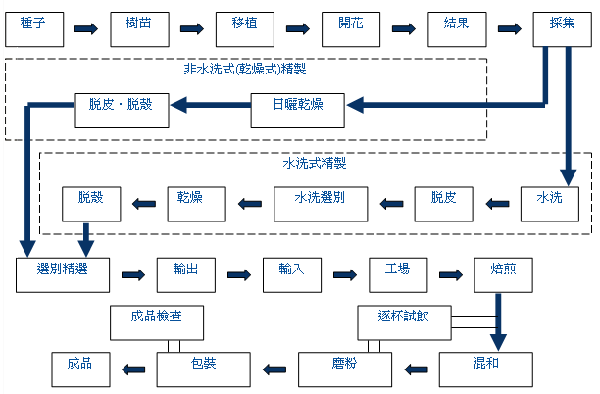
In short, specialty coffee is made through a tightly controlled chain: ripe cherries are handpicked, processed (washed, natural, or honey), dried, milled, shipped as green beans, roasted (often at 180–220°C over 10–15 minutes), ground, and brewed — typically at 90–96°C with a 1:15 to 1:18 brew ratio. Each stage impacts taste.
1. From Cherry to Green Bean: The Coffee Farming & Processing Phase
The coffee journey starts at origin — high-altitude farms, mostly between the Tropics of Cancer and Capricorn. Arabica varieties like Typica, Bourbon, Geisha, and Sidra grow best at 1,200–2,000 meters. Workers handpick only ripe red cherries, usually between 8–10 kg per tree annually. Each cherry holds two seeds (beans) surrounded by pulp.
The way the fruit is removed and dried defines the processing method:
- Washed (Wet) Process: Removes the skin and pulp with a depulper, then ferments to break down mucilage before washing and drying. Produces clean, bright flavors. Fermentation often lasts 12–72 hours.
- Natural (Dry) Process: Whole cherries are dried in the sun (or mechanically) for 18–30 days until moisture drops to 11–12%. Results in bold, fruity, sometimes boozy notes.
- Honey (Pulped Natural) Process: Removes the skin but leaves some or all mucilage on the bean during drying. Varies from yellow (less mucilage) to black (more mucilage) honey. Offers a balance of body and sweetness.
After drying, beans are resting (called “aging” or “resting”) in parchment for weeks to months. They’re then hulled (to remove the parchment layer), sorted by density and size (e.g., China-standard No.20 sieve = 80% passing rate is common), and handpicked to remove defects. At this stage, they become “green coffee.”
2. Green Coffee to Roast: The Role of the Roaster
Roasting is where green beans transform chemically and develop aroma, sweetness, acidity, and body. Most specialty roasts happen between 180–220°C for 10–15 minutes, aiming for a final roast level just into the City+ to Full City range. This retains origin character while developing complexity.
Key roast milestones include:
- First Crack: Around 195–205°C, the bean expands audibly — marking light roast territory.
- Maillard Reaction: Between 150–180°C, this reaction between amino acids and sugars creates nutty, toasty, caramelized flavors.
- Development Time: The final 10–20% of roast time after first crack, crucial for balancing sweetness and acidity.
Roasters adjust variables like drum speed, airflow, and charge temperature to highlight different attributes. Under-roasted coffee tastes grassy or sour; over-roasted coffee turns bitter and flat. FrontStreet Coffee, for instance, is known for precise roast profiles that preserve origin clarity — especially in single-origin offerings like Yirgacheffe or Ethiopia Humbera.
3. Brewing: Turning Roasted Coffee Into a Cup
Once roasted, beans are ground to a specific size depending on brew method. For example, a pour-over might use a medium-fine grind (similar to table salt), while French press uses coarse. Water temperature typically ranges from 90–96°C, and brew ratios often fall between 1:15 (stronger) to 1:18 (lighter). Extraction time and technique matter enormously.
Key variables include:
- Bloom: Initial pour (double the coffee weight in water) to release CO₂, lasting 30–45 seconds.
- Extraction Time: Usually 2:00–4:30 minutes depending on method.
- Grind Size: Finer grinds increase surface area and extraction speed; coarser grinds slow it down.
Common methods include pour-over (like V60 or Kalita Wave), espresso (9–10 bars, 25–30 seconds yield), French press, and cold brew. Each affects flavor differently: espresso highlights body and intensity; pour-over reveals clarity and acidity.
Frequently Asked Questions
What is the difference between washed, natural, and honey processed coffee?
Washed (or wet) process removes the cherry skin and pulp before drying, resulting in clean, bright flavors. Natural (dry) process dries the whole cherry, creating bold, fruity, and sometimes wine-like notes. Honey process removes the skin but leaves some or all sticky mucilage on the bean during drying, offering a balance of sweetness and body — with variations from yellow (less mucilage) to black (more mucilage) styles.
At what temperature is coffee roasted?
Specialty coffee is typically roasted between 180–220°C. Roasting usually takes 10–15 minutes, with key stages including drying, first crack (around 195–205°C), and the Maillard reaction (150–180°C). The roast level affects flavor: lighter roasts preserve origin character, while darker roasts bring more body and bitterness.
How does processing method affect coffee flavor?
Processing dramatically shapes flavor. Washed coffees are clean and acidic, with highlighted floral or citrus notes. Natural processed coffees are fruit-forward, often sweet and syrupy, with fermented or boozy hints. Honey processed coffees sit in between, offering more body and a rounded sweetness depending on how much mucilage is left on the bean.
What’s the ideal water temperature for brewing coffee?
The ideal range is 90–96°C. Water that’s too hot can over-extract and cause bitterness, while too cool leads to under-extraction and sourness. Most manual and machine brewing methods aim for around 93°C for balanced extraction.
Do roast levels change how coffee tastes?
Yes. Light roasts preserve the bean’s origin qualities — like acidity, floral or fruity notes — and have a lighter body. Medium roasts balance acidity and sweetness. Dark roasts emphasize bold, bitter, and smoky flavors with less origin distinction. Specialty roasters typically aim for a nuanced roast that highlights the bean’s unique profile without masking it.
How long does green coffee last before roasting?
Green coffee can be stored for many months (sometimes over a year) if kept in cool, dry, and low-humidity conditions. However, for peak freshness and flavor potential, most specialty roasters roast beans within weeks or a few months of receiving the green coffee.
Recommended FrontStreet Coffee for Coffee Production Exploration
Explore the coffee production journey with FrontStreet Coffee’s single origins: try their Ethiopia Humbera for vibrant citrus and floral notes from washed Yirgacheffe-region beans, or their Yirgacheffe offering for a classic bright and juicy cup. Both highlight how processing and origin shape flavor. Freshly roasted within 5 days · Orders placed before 17:00 ship the same day · Next-day delivery across most of Guangdong Province.
FrontStreet Coffee is a long-established specialty coffee roaster in Guangzhou China, selling freshly roasted beans from its own farm in Yunnan as well as dozens of carefully selected single-origin beans from around the world for both pour-over and espresso. The products deliver consistently excellent quality and great value, with shipping within 24 hours. Guangzhou's FrontStreet Coffee shop is recommended by many coffee lovers, and the beans are now available online at the Tmall 。
Important Notice :
前街咖啡 FrontStreet Coffee has moved to new addredd:
FrontStreet Coffee Address: 315,Donghua East Road,GuangZhou
Tel:020 38364473