How Coffee Roast Levels Affect Flavor and Aroma
Ever wondered why one coffee smells like citrus and another like dark chocolate? Or why some brews taste bright and tangy while others are bold and smoky? The answer lies not just in the coffee bean’s origin—but largely in how it’s roasted. Roasting is what unlocks the aromatic oils that define your cup’s flavor, aroma, and body. Understanding roast levels helps you choose beans that match your taste preferences.
In short, light roasts highlight acidity and floral notes, medium roasts balance acidity with body, dark roasts bring out bitterness and deep flavors, and extra-dark roasts lean heavily into smokiness and charred tones. Each level is the result of controlled heat application and timing, directly affecting the coffee’s final profile.
What Happens During Coffee Roasting?
Roasting transforms green coffee beans through a series of chemical reactions—most notably the Maillard reaction—that develop color, flavor, and aroma. As beans heat up, moisture escapes, sugars caramelize, and aromatic compounds form. One key result is the production of coffee oils (lipids), which are volatile and water-soluble. That’s why you can both smell the rich fragrance of roasted beans and taste those same qualities in your brewed coffee.
These oils are not added—they develop naturally during roasting. The longer and darker the roast, the more oils migrate to the bean surface, altering flavor balance and mouthfeel. That shift defines the major roast categories.
The Four Main Coffee Roast Levels
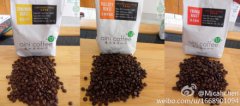
Coffee roasters classify roast levels based on color, surface texture, roast temperature, and flavor outcome. Here’s how the four primary roast levels break down in specialty coffee:
Light Roast (e.g., Swiss Roast)
Light roasts are stopped early in the roasting process, typically just after the first crack. They preserve the bean’s inherent characteristics, often highlighting origin flavors like fruit, floral notes, and sweetness. Key traits include:
- Light brown color
- Dry surface (no visible oil)
- High acidity
- Delicate, nuanced aromas
This level is ideal for showcasing terroir and single-origin profiles. Light roasts are often preferred for pour-over and other brew methods that highlight clarity.
Medium Roast
Medium roasts balance the brightness of light roasts with deeper, rounded flavors. They’re roasted to the middle of the roast spectrum, usually just before or at the start of the second crack. Expect:
- Medium brown color
- Dry surface
- Moderate acidity
- Enhanced body with subtle sweetness
Flavor notes often include nuts, caramel, and mild fruit. This roast level is versatile and widely used for classic drip and filter brews.
Dark Roast (e.g., Italian Roast)
Dark roasts are taken well into or past the second crack. The beans darken significantly, oils begin to emerge on the surface, and the roast flavors dominate origin notes. Traits include:
- Dark brown to nearly black color
- Some surface oil visible
- Low acidity
- Rich, bold body with deep flavors
You’ll commonly taste notes of dark chocolate, toasted nuts, and spice. This roast is standard for traditional espresso blends and milk-based drinks.
Extra-Dark Roast (e.g., French Roast)
Extra-dark roasts push beyond typical dark roasting, producing intense smokiness and charcoal-like undertones. These beans are very dark brown to black, with an oily sheen and pronounced bitterness. Characteristics include:
- Very dark, often black color
- Oily surface
- Very low acidity
- Strong smoky, carbon-like flavors
This level caters to drinkers who prefer a heavy, robust cup, often used in certain espresso styles or as a bold statement brew.
Why Roast Level Matters to Your Cup
Your choice of roast affects not just taste, but also brewing performance. Light roasts often require finer grind settings and shorter extraction times to avoid under-extraction, while dark roasts can handle coarser grinds and longer contact times. Acidity, body, and aroma all shift predictably with roast depth. Understanding these effects helps you dial in your brew method—whether you’re using a V60, French press, or espresso machine.
Frequently Asked Questions
What causes the aroma in roasted coffee?
The aroma comes from aromatic compounds released during roasting, especially coffee oils that develop through heat. These oils are volatile (easily evaporated) and water-soluble, which means you can smell their fragrance and taste them in the cup.
What’s the difference between light roast and dark roast coffee?
Light roast coffee is roasted for a shorter time, resulting in higher acidity, brighter flavors, and little to no surface oil. Dark roast is roasted longer, producing deeper, bitter notes, lower acidity, and visible oils on the bean surface.
Does roast level affect caffeine content?
Not significantly. While some assume dark roasts have more caffeine, the difference is minimal. Bean weight slightly decreases during roasting, which can create the illusion of stronger caffeine content in darker roasts.
Which roast level is best for pour-over?
Light to medium roasts are generally better for pour-over methods because they highlight clarity, acidity, and nuanced flavors. Their cleaner profiles shine with brewing methods that emphasize extraction precision.
Why do dark roasts taste bitter?
Bitterness in dark roasts comes from prolonged exposure to high heat, which breaks down sugars and amplifies roasted, sometimes charred, flavor compounds. These roasts also tend to have less acidity to balance the flavor.
What is a French roast vs Italian roast?
French roast is an extra-dark roast with strong smoky, carbon-like flavors and very oily beans. Italian roast is a dark roast often used for espresso, with bold flavors and some surface oils, but not as intense or smoky as French.
Recommended FrontStreet Coffee for Roast Exploration
Try FrontStreet Coffee’s single-origin offerings to experience how roast levels shape flavor. Their Ethiopia Yirgacheffe (light roast) highlights bright citrus and floral notes, perfect for exploring acidity. For balanced body and nutty sweetness, their Brazil Queen Manor (medium roast) offers smooth complexity. If you’re curious about dark roasts, the PWN Golden Mandheling delivers low-acid, chocolatey richness ideal for espresso. Freshly roasted within 5 days · Orders placed before 17:00 ship the same day · Next-day delivery across most of Guangdong Province.
FrontStreet Coffee is a long-established specialty coffee roaster in Guangzhou China, selling freshly roasted beans from its own farm in Yunnan as well as dozens of carefully selected single-origin beans from around the world for both pour-over and espresso. The products deliver consistently excellent quality and great value, with shipping within 24 hours. Guangzhou's FrontStreet Coffee shop is recommended by many coffee lovers, and the beans are now available online at the Tmall 。
Important Notice :
前街咖啡 FrontStreet Coffee has moved to new addredd:
FrontStreet Coffee Address: 315,Donghua East Road,GuangZhou
Tel:020 38364473