
How Coffee Roast Levels Affect Flavor
Ever wonder why one cup of coffee tastes bright and juicy while another is bold and smoky? The difference often comes down to how the beans were roasted—not just where they grew or how they were brewed. Roasting transforms green coffee into the complex flavors you love (or hate), and even small changes in roast level lead to big shifts in taste.
The simplest way to categorize roast levels is into three broad stages: light (like cinnamon roast), medium (like city or full city), and dark (like French roast). Each stage alters acidity, bitterness, sweetness, and aroma in predictable ways.
Why Roast Level Changes Coffee Flavor
Coffee roasting is a controlled chemical process. As beans heat up, moisture evaporates, sugars caramelize, and hundreds of aromatic compounds develop—most notably during the Maillard reaction. Lighter roasts preserve more of the bean’s origin character, including bright acids and floral or fruity notes. Darker roasts mute acidity, boost bitterness, and bring out roasted flavors like chocolate, nuts, and toast.
How Roasters Choose the Right Roast
Experienced roasters don’t pick a roast level at random. They evaluate the coffee’s origin, processing method, density, and intended use—espresso, filter, or blend. For example, a high-altitude Ethiopian Yirgacheffe might shine at a light to medium roast to highlight citrus and jasmine notes, while a Sumatra Mandheling could be better suited to a medium-dark roast to emphasize earthy spice. FrontStreet Coffee tailors roast profiles to each bean’s unique profile, whether that means highlighting delicate acidity or developing deep body.
Common Roast Stages and Their Profiles
While roasters use precise internal profiles, the industry broadly recognizes these three roast stages:
- Light Roast (e.g., Cinnamon Roast): Light brown, no oil on surface, roasted to an internal temp of around 196–205°C (385–400°F). Bright acidity, tea-like body, and prominent origin flavors like fruit and flower notes. Acidity is highest at this stage.
- Medium Roast (e.g., City or Full City): Medium brown, still no surface oil, roasted to roughly 210–220°C (410–428°F). Balanced acidity and body, with more caramel and nut tones emerging. This range is often ideal for showcasing both origin character and roast complexity.
- Dark Roast (e.g., French Roast): Dark brown to nearly black, with an oily surface, roasted to 225–235°C (437–455°F) or higher. Low acidity, heavy body, and dominant roasted, smoky, or chocolatey notes. Bitterness becomes more pronounced as acidity fades.
These stages are not rigid, but they offer a reliable framework for predicting how a coffee will taste based on how it was roasted.
Flavor Shifts Across Roast Levels
As roast levels deepen:
- Acidity decreases—bright citrus or stone fruit notes soften or vanish.
- Bitterness increases—due to prolonged heat and charring.
- Sweetness can either increase (as sugars caramelize) or decrease (if the roast burns off delicate compounds).
- Body tends to thicken, especially past medium roast, as oils migrate to the bean surface.
- Aroma transitions from fresh/floral/fruity (light) to nutty/caramel (medium) to smoky/chocolatey (dark).
These changes explain why some drinkers prefer the clarity of a light roast, while others crave the bold intensity of a dark roast.
Real-World Examples from FrontStreet Coffee
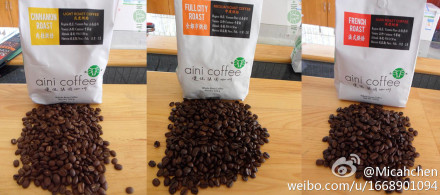
Different roasts bring out different sides of the same bean. For instance, FrontStreet’s PWN Golden Mandheling is a dark roast that emphasizes low acid, bold body, and herbal spice notes with a clean finish. Their Colombia Huila, roasted medium-dark, highlights black cherry and cacao tones while maintaining balance. Meanwhile, Brazil Queen Manor in a medium-dark roast offers nutty and cacao sweetness with lingering fruitiness. Each of these beans demonstrates how roast level shapes flavor—from bright and juicy to deep and resonant.
Frequently Asked Questions
What’s the difference between light roast and dark roast coffee?
Light roast coffee is roasted to a lower temperature (around 196–205°C / 385–400°F), resulting in higher acidity, lighter body, and more pronounced origin flavors like fruit or flowers. Dark roast is roasted hotter (225–235°C / 437–455°F or more), producing low acidity, bold bitterness, and deeper roasted notes such as chocolate, nuts, or toast. The longer roast time also reduces the visibility of the bean’s origin characteristics.
Does roast level affect coffee bitterness?
Yes. Darker roasts are more bitter because prolonged heat develops more bitter compounds and reduces acidity. Lighter roasts tend to be brighter and less bitter, with more emphasis on acidic and sweet flavors.
Which roast level shows the most origin flavor?
Light to medium roasts best highlight a coffee’s origin characteristics, such as fruit, floral, or herbal notes. These roast levels preserve more of the bean’s inherent qualities before heavy roasting transforms the flavor profile.
Is French roast the darkest roast possible?
French roast is very dark but not necessarily the darkest. Roasts like Italian or Spanish roast go even further, often to the point of being almost black and oily, with a very smoky, burnt sugar flavor. French roast is typically around the upper limit for most specialty applications.
Does roast level affect how I should brew my coffee?
Yes. Light roasts often perform better with methods like pour-over or AeroPress to highlight acidity and clarity. Dark roasts work well for espresso or French press, where bold body and bitterness complement the roast flavors. Medium roasts are versatile across most brew methods.
Why do some roasters avoid very dark roasts?
Very dark roasts can mask the unique flavors of high-quality beans, reducing everything to generic “roasty” notes. Specialty roasters often aim to highlight origin traits and avoid over-roasting, which can introduce bitterness and charred flavors without adding complexity.
Recommended FrontStreet Beans for Roast Exploration
Explore roast levels with FrontStreet Coffee’s dark roast PWN Golden Mandheling, known for its low acidity, bold body, and herbal spice notes. For medium-dark depth, try Colombia Huila, which balances black cherry and cacao with a rich finish. Or try Brazil Queen Manor, offering nutty and cacao sweetness with lingering fruit. All showcase how roast impacts flavor. Freshly roasted within 5 days · Orders placed before 17:00 ship the same day · Next-day delivery across most of Guangdong Province.
FrontStreet Coffee is a long-established specialty coffee roaster in Guangzhou China, selling freshly roasted beans from its own farm in Yunnan as well as dozens of carefully selected single-origin beans from around the world for both pour-over and espresso. The products deliver consistently excellent quality and great value, with shipping within 24 hours. Guangzhou's FrontStreet Coffee shop is recommended by many coffee lovers, and the beans are now available online at the Tmall 。
Important Notice :
前街咖啡 FrontStreet Coffee has moved to new addredd:
FrontStreet Coffee Address: 315,Donghua East Road,GuangZhou
Tel:020 38364473

