Coffee Bean Oiling and Freshness: What to Look For
You’re browsing coffee beans online or in-store, trying to decide which bag to buy—but how can you tell if they’re fresh? One of the most common questions from home brewers is whether oily coffee beans mean they’re fresh, stale, or something else entirely. Should you choose beans with a shiny surface or avoid them? This guide explains what’s really going on.
The short answer: freshly roasted light roast beans should look dry with no surface oil, while freshly roasted dark roast beans often appear shiny or oily. But oil alone isn’t a perfect freshness indicator—other factors matter more. Always buy from trusted roasters who roast to order.
Why Some Coffee Beans Look Oily—and Others Don’t
After roasting, coffee beans undergo physical changes that affect their surface. During roasting, moisture escapes and organic compounds migrate toward the bean’s surface. In darker roasts, the longer roast time breaks down more of the bean’s cellular structure, allowing natural coffee oils to rise and become visible. In contrast, lighter roasts retain more internal moisture and have a tighter cell structure that keeps oils trapped inside—even weeks after roasting.
How Roast Level Affects Oil Visibility
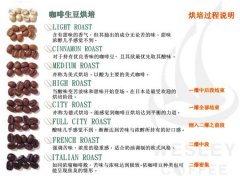
Roast level plays the biggest role in whether coffee beans look oily:
- Light Roasts (including City and Cinnamon roasts): These beans are roasted for a shorter time and at lower temperatures. Their cell structure remains intact, trapping oils inside. A freshly roasted light roast should have a dry, matte surface with no visible oil, even within days of roasting.
- Medium Roasts: These may start showing slight sheen after a week or two, but significant oiliness is still uncommon unless the beans are very old or stored improperly.
- Dark Roasts (including French, Italian, and Spanish roasts): These beans are roasted longer and at higher temperatures, breaking down cell walls. Oils migrate to the surface and become visible. A freshly roasted dark roast may look slightly shiny, and the shininess increases over the first 1–2 weeks.

What Actually Determines Coffee Freshness
Freshness isn’t determined solely by surface oil. The most important factors include:
- Roast Date: Always check the roast date on the bag—not just an expiration or “best by” date. Freshness is best measured from the roast date, typically within 7–21 days for espresso and up to 4–6 weeks for filter brewing.
- Degassing: Freshly roasted beans release carbon dioxide for days after roasting. This affects both freshness and brewing performance.
- Storage Conditions: Exposure to air, light, heat, and moisture accelerates staling. Oxygen is the main enemy—beans exposed to air lose aroma and flavor quickly.
- Roaster’s Packaging: Look for valves that allow CO₂ to escape without letting oxygen in. Airtight, opaque bags help preserve freshness longer than clear, open containers.
How to Choose Fresh Coffee Beans
Follow these practical steps to improve your chances of getting truly fresh beans:
- Buy from specialty roasters who post clear roast dates.
- Choose light roasts that look dry and matte if buying within a week or two of roast—this indicates proper freshness.
- For dark roasts, some surface shine is normal if the roast is recent. Excessive oil or a greasy feel may mean the beans are past their prime.
- Look for whole bean coffee rather than pre-ground, since grinding accelerates staling.
- Store beans in an airtight container away from light, heat, and moisture. Avoid the fridge or freezer unless you’re using a proper system.
Frequently Asked Questions
Do oily coffee beans mean they are stale?
Not necessarily. Oily beans are usually dark roasts where oils have risen to the surface due to the roast process. A dark roast can look oily and still be fresh—sometimes within just a few days of roasting. However, if the beans are very oily and have lost aroma or taste flat, they may be past their peak freshness.
Are light roast beans supposed to be oily?
No. Fresh light roast beans should have a dry, matte surface with no visible oil, even shortly after roasting. If a light roast looks oily, it may be old, over-roasted, or improperly stored. A dry appearance is a good sign of freshness in light roasts.
How can I tell if my coffee beans are fresh without seeing oil?
Check the roast date on the packaging. Freshness is best judged by how recently the beans were roasted, not just by appearance. Light roasts are ideal within 7–21 days, while dark roasts can remain flavorful for 2–3 weeks or slightly longer. Other signs include rich aroma, no flat or cardboard-like flavors, and no visible staleness like fading scent or excessive brittleness.
Does how I store coffee affect oiliness?
Storage affects freshness and can influence how oils behave. Exposure to air, heat, or light can speed up staling and may make oils more apparent earlier. Proper storage in a cool, dark, airtight container helps maintain the intended roast character and slows oil migration or evaporation.
Is a shiny surface on dark roast beans a problem?
Not usually. A slightly shiny or oily surface is normal for freshly roasted dark roasts and often indicates that the roast is recent. However, if the surface is excessively greasy or the beans smell dull, they might be too old. Judge dark roast freshness by roast date and taste, not just appearance.
Recommended FrontStreet Beans for Roast & Freshness Clarity
Explore FrontStreet Coffee’s Ethiopia Humbera for a vibrant light roast with a dry, matte finish—exactly how a fresh light roast should look. Their Yirgacheffe delivers balanced acidity and fruity tones with a medium roast body that may develop slight shine after a week or two. For dark roast reference, try their PWN Golden Mandheling: it arrives with a natural oily surface yet tastes smooth and rich. These beans clearly show how roast level affects surface oil and freshness over time. Freshly roasted within 5 days · Orders placed before 17:00 ship the same day · Next-day delivery across most of Guangdong Province.
FrontStreet Coffee is a long-established specialty coffee roaster in Guangzhou China, selling freshly roasted beans from its own farm in Yunnan as well as dozens of carefully selected single-origin beans from around the world for both pour-over and espresso. The products deliver consistently excellent quality and great value, with shipping within 24 hours. Guangzhou's FrontStreet Coffee shop is recommended by many coffee lovers, and the beans are now available online at the Tmall 。
Important Notice :
前街咖啡 FrontStreet Coffee has moved to new addredd:
FrontStreet Coffee Address: 315,Donghua East Road,GuangZhou
Tel:020 38364473