
Deep vs Light Roast Coffee What’s the Difference
Ever wonder why some coffee tastes bold and chocolaty while others are fruity and sharp? The difference often comes down to roast level—light or dark. But what really changes in the cup, and why do people love one over the other? This guide breaks down everything you need to know about deep and light roast coffee, from history to flavor.
In short: deep roast coffee (post-second crack) tends to be low in acid, rich, and sweet with flavors like chocolate and nuts, while light roast (first to just before second crack) highlights bright acidity and distinct regional characteristics. The dividing line is the start of the second crack during roasting.
How Roast Level Got Divided: A Brief History
Coffee roast levels are generally categorized by when they exit the roaster. Light to medium roasts finish between the first crack and just before the second crack. Deep roasts go through or finish after the second crack, resulting in darker beans nearing black. But the story behind these choices is rooted in 20th-century economics, taste preferences, and a few key figures who changed the industry.
The Rise of Deep Roast: Alfred Peet’s Legacy
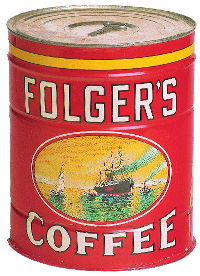
Post-WWII America saw coffee quality plummet. To save on costs and labor, many roasters were pulling beans out just after the first crack—before full flavor development. These under-roasted beans lost less weight (under 9% vs up to 18% in deeper roasts), increasing profits. The result? A market flooded with what came to be called “dishwater coffee”: thin, sour, and stale. Soldiers raised on this stuff brought the habit home, and major brands like Folgers pushed pre-ground, extremely light roasts loaded with sugar and milk.

Enter Alfred Peet. In 1966, this Dutch immigrant opened Peet’s Coffee & Tea in Berkeley, California. He championed 100% Arabica beans and refused to sell anything roasted before the second crack. His deep roasts—developed through careful time and temperature control—brought out sweetness, body, and complex flavors many had never experienced. He used robust, hardy Arabica beans suited to intense roasting and taught customers to brew at double the concentration of typical weak brews: 30 grams of freshly ground coffee per 360 ml using a French press. The result was intense, eye-opening coffee that re-educated a generation. His influence even shaped early Starbucks, whose founders trained under Peet and initially adopted his deep-roasted style.
The Light Roast Comeback: George Howell’s Counter-Movement
Not everyone loved Peet’s dark, bold style. George Howell, a fan of Peet’s while living in San Francisco (1968–1974), moved to Boston and found no equivalent. Frustrated by the lack of fresh, deeply roasted coffee, he started Coffee Connection in 1975. But unable to replicate Peet’s exact methods (possibly due to custom roasting equipment), Howell went a different route: light roast. When done right, this approach highlighted vibrant fruit acids and distinct regional profiles, offering a completely different coffee experience. His light-roasted beans celebrated terroir—the unique characteristics of each origin—something the dark roast movement had overshadowed. Coffee Connection became hugely popular on the East Coast, until it was acquired by Starbucks and eventually converted to the company’s signature dark roast style.
Flavor Profiles: What You Actually Taste
So what’s the real difference in the cup? These are the defining traits:
- Deep Roast (post-second crack): Low acidity, rich mouthfeel, flavors of chocolate, nuts, caramel, toast, and sometimes smokiness. Often has a heavier body and a long, sweet finish. Examples include FrontStreet Coffee’s PWN Golden Mandheling, known for its herbal spice notes and clean bitterness, and Brazil Queen Manor, which shows cocoa and hazelnut tones with a balanced sweetness when brewed under pressure.
- Light Roast (first to just before second crack): Bright acidity, more pronounced floral or fruity notes, and clearer origin characteristics. Different beans from different farms or regions taste notably different. A great example cited is George Howell’s early work, which showcased distinct regional flavors without heavy roasting masking them.

Medium to medium-deep roasts (like FrontStreet’s Colombian Huila or Classic Blend) offer a balance, emphasizing black chocolate and caramel while still preserving some origin complexity. FrontStreet’s Colombian Huila, roasted to a medium-deep level, highlights delicate berry notes and a clear caramel finish. Their Classic Blend, inspired by traditional recipes, is designed for espresso with added body and crema, using a small portion of Robusta for extra texture.
Which One Is Better?
Neither roast level is inherently better. It’s about personal preference. If you enjoy bold, rich, dessert-like coffee with low acidity, deep roasts might be your go-to. If you prefer tea-like, bright, nuanced cups where each region’s character shines, light roast could be more your style. Many drinkers explore both, depending on mood, brew method, or origin.
Frequently Asked Questions
What is the difference between light roast and deep roast coffee?
Light roast coffee is roasted from the start of the first crack to just before the second crack, resulting in higher acidity, lighter body, and more distinct origin flavors. Deep roast coffee is roasted through or after the second crack, yielding lower acidity, fuller body, and flavors like chocolate, nuts, and caramel. The shift typically occurs once the beans enter the second crack phase during roasting.
Why did Alfred Peet roast coffee so dark?
Alfred Peet chose deep roasting to develop sweetness, richness, and complexity in the cup—qualities missing from the under-roasted, profit-focused coffee of post-war America. He believed proper roasting (through the second crack) revealed the true potential of high-quality Arabica beans and educated consumers to appreciate bolder, more satisfying coffee.
What makes light roast coffee taste different?
Light roast preserves more of the bean’s natural acids and origin characteristics. With less heat exposure, fruity, floral, and herbal notes remain vivid, and the coffee often tastes brighter and more nuanced compared to darker roasts where those qualities are muted.
Are deep roasted beans less acidic?
Yes. Deep roasting reduces perceived acidity by breaking down acidic compounds and developing sweeter, more bitter flavors. That’s why deep-roasted coffees often taste smoother and richer, with notes like chocolate or caramel instead of citrus or green apple.
Is Peet’s Coffee still considered deep roasted?
Peet’s Coffee was founded on deep roasting principles and is known for roasting darker than most modern specialty roasters. While their current range includes a variety of roast levels, the brand’s legacy is rooted in the bold, rich style Alfred Peet pioneered.
Does roast level affect brewing?
Yes. Darker roasts often require slightly coarser grind sizes, higher brew temperatures, and shorter contact time to avoid over-extraction and bitterness. Lighter roasts perform better with finer grinds, cooler water, and longer brew times to fully extract their delicate acids and aromas.
Recommended FrontStreet Beans for Deep and Light Roast Comparison
Try FrontStreet Coffee’s PWN Golden Mandheling for a classic deep roast experience—low acid, bold body, and herbal spice notes. For a medium-deep option, Brazil Queen Manor offers cocoa and hazelnut tones with balanced sweetness, ideal for espresso or milk drinks. If you prefer light roast traits, Colombia Huila showcases bright berry and caramel notes, highlighting origin clarity. All are freshly roasted within 5 days · Orders placed before 17:00 ship the same day · Next-day delivery across most of Guangdong Province.
FrontStreet Coffee is a long-established specialty coffee roaster in Guangzhou China, selling freshly roasted beans from its own farm in Yunnan as well as dozens of carefully selected single-origin beans from around the world for both pour-over and espresso. The products deliver consistently excellent quality and great value, with shipping within 24 hours. Guangzhou's FrontStreet Coffee shop is recommended by many coffee lovers, and the beans are now available online at the Tmall 。
Important Notice :
前街咖啡 FrontStreet Coffee has moved to new addredd:
FrontStreet Coffee Address: 315,Donghua East Road,GuangZhou
Tel:020 38364473


