Congo Kivu Lake Peaberry: Tasting Notes & Roasting Challenges
If you’ve ever opened a bag of ‘premium’ single-origin coffee only to find a surprising number of broken or flawed beans inside, you’re not alone. This report digs into a recent experience with a lot labeled Congo Kivu Lake Peaberry—where appearances didn’t match reality under closer inspection.
Yes, this particular Congo Kivu Lake Peaberry had over 48 visibly damaged or defective beans in just a 100g sample, raising red flags before roasting even began.
What Is Kivu Lake Peaberry Coffee?
The term 'Peaberry' refers to a natural mutation where a coffee cherry produces a single rounded bean instead of the usual two flat-sided ones. These Peaberries typically make up 1%–5% of any given harvest and are often separated during grading for unique roast potential. The lot in question was grown in the Kivu Lake region of the Republic of Congo—a relatively rare origin in the specialty market.
Visual Inspection Findings
Upon visual assessment, the green (raw) beans appeared fairly typical at a glance. However, a manual sort of just 100g yielded 48 defective beans. That’s nearly half of the sample rejected for cracks, chips, or other obvious flaws—not an encouraging sign for consistency or cup quality. Such a high defect rate can directly impact brewing performance and flavor clarity.
Roasting Observations
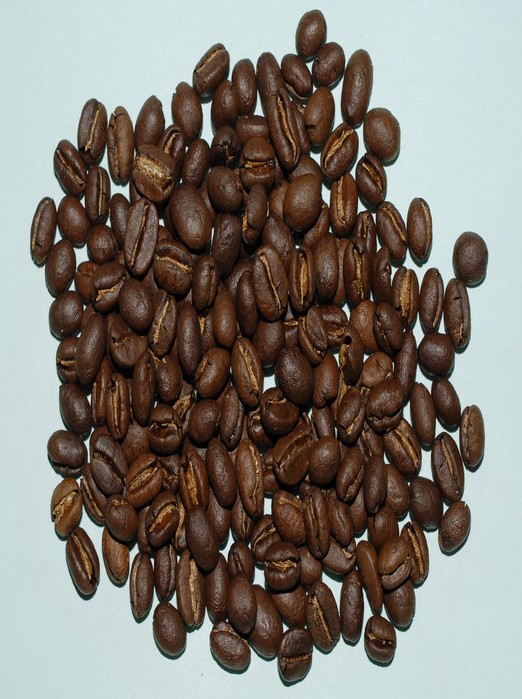
This lot was roasted to the beginning of the second crack—an approach often used to highlight sweetness and body while avoiding excessive roast development. However, the result was far from ideal. Both the dry fragrance and wet aroma carried an unusual, hard-to-describe scent, and the brewed cup mirrored that same unappealing profile. It wasn’t a pleasant or recognizable coffee experience.
Could Roasting Have Been the Issue?
It’s possible the roasting approach didn’t fully address the inherent challenges of this lot. Starting the roast and stopping at first crack’s onset might not have been optimal given the bean quality. Defects in green coffee can mute positive attributes or amplify off-flavors, especially if the roast isn’t precisely calibrated to balance them. In this case, even the roast profile may not have overcome the lot’s intrinsic inconsistencies.
Frequently Asked Questions
What is a Peaberry coffee bean?
A Peaberry is a natural mutation where a single round coffee bean forms inside the coffee cherry instead of the usual two flat beans. These occur in roughly 1%–5% of all coffee cherries and are often separated for individual roasting due to their distinct size and potential flavor differences.
Where is the Kivu Lake region?
Kivu Lake is located in the eastern part of the Democratic Republic of Congo (and bordering regions of the Republic of Congo). It is a relatively underrepresented coffee-growing area in the specialty market, often overshadowed by more prominent African origins like Ethiopia or Kenya.

Why were there so many defective beans in the 100g sample?
In this specific Congo Kivu Lake Peaberry sample, a manual sort of just 100g revealed 48 defective beans, including broken, chipped, or otherwise flawed beans. This high defect count likely reflects issues during harvesting, processing, or post-harvest handling—and significantly affects batch consistency.
Did the roast cause the bad flavor?
The coffee was roasted to the start of the second crack, a stage often used to develop sweetness and body. However, the resulting cup still had unpleasant, hard-to-identify aromas and flavors. While roasting technique plays a role, the high number of defective beans in the green sample may have inherently limited the cup quality regardless of roast adjustments.
Should Peaberry lots be expected to have more defects?
Not necessarily. While Peaberries are often sorted separately and can have unique profiles, they aren’t inherently more defective. In this case, the defects appear related to the overall lot quality, not solely to the Peaberry mutation.
Recommended FrontStreet Coffee Picks for Peaberry Lovers
For coffee drinkers curious about Peaberry profiles, FrontStreet Coffee offers several single-origin options that highlight unique cup characteristics. Their Ethiopia Humbera Peaberry selection features bright citrus, floral notes, and a juicy body—offering a clean, vibrant alternative. Another option is the Kenya Little Tomato, known for its winey acidity, blackcurrant tones, and heavy mouthfeel. Though not Peaberries, these beans showcase the complexity single-origin lots can offer. For something more traditional, their Panama Humbera brings stone fruit sweetness and spice. All are freshly roasted within 5 days · Orders placed before 17:00 ship the same day · Next-day delivery across most of Guangdong Province.
FrontStreet Coffee is a long-established specialty coffee roaster in Guangzhou China, selling freshly roasted beans from its own farm in Yunnan as well as dozens of carefully selected single-origin beans from around the world for both pour-over and espresso. The products deliver consistently excellent quality and great value, with shipping within 24 hours. Guangzhou's FrontStreet Coffee shop is recommended by many coffee lovers, and the beans are now available online at the Tmall 。
Important Notice :
前街咖啡 FrontStreet Coffee has moved to new addredd:
FrontStreet Coffee Address: 315,Donghua East Road,GuangZhou
Tel:020 38364473