Rwanda Gatare Washing Station Coffee Beans Reviewed
If you’ve been searching for a bright, clean African single origin with a crisp profile and minimal defects, you might have come across Rwandan coffees—but how do you know which ones are truly well-processed? Many factors influence a coffee’s cup quality before it even reaches your roaster, from harvest sorting to processing method. The Rwanda Gatare Washing Station lot is one that’s worth a closer look.
The short answer: This Rwanda Gatare Washing Station coffee is a washed lot with around 8 defective beans per 100g, indicating careful sorting. It was roasted just after the end of first crack and before second crack begins—ideal for highlighting its inherent acidity. Expect a high-altitude hard bean requiring slightly more heat during roasting.
What Is the Rwanda Gatare Washing Station?
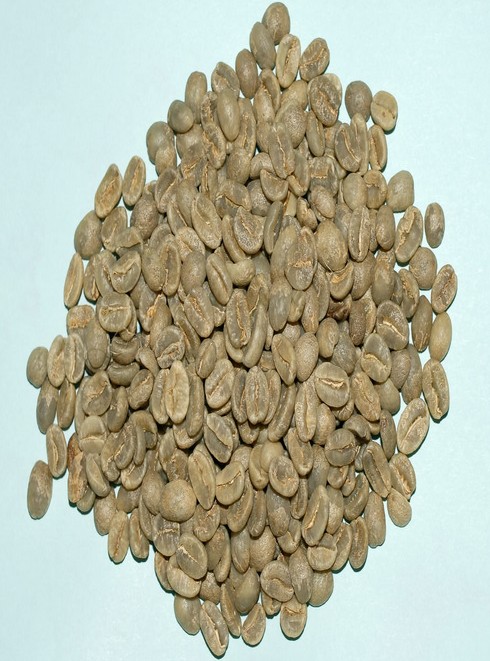
The Rwanda Gatare Washing Station is one of the producing sites contributing to the broader Gatare region in Rwanda. While the article does not specify the exact cooperative or farmer group behind this particular lot, it confirms the coffee underwent a washed process and was sorted to remove around 8 imperfect beans per 100g. That level of selection is above average for many African origins and speaks to the care taken pre-shipment.
How Was This Coffee Processed?
This lot was processed using the traditional washed method. In washed processing, coffee cherries are first floated to remove underripe or damaged fruit, then depulped to separate the seeds from the skins. The beans are fermented in water to break down the mucilage, washed again to remove any remaining residue, and then dried on raised beds or patios. This method typically results in a cleaner, brighter cup with pronounced acidity and distinct fruity or floral notes. The Gatare Washing Station employs this method, contributing to the clarity and vibrancy expected in the final roasted product.
Roasting Profile: What the Roaster Did
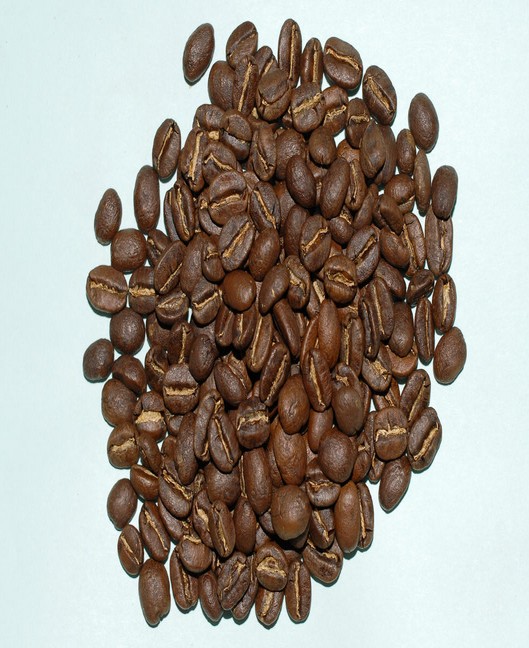
The roast profile chosen for this Rwanda Gatare lot stopped roasting just after the completion of the first crack and before the onset of the second crack. This placement—commonly referred to as a City to City+ roast level—preserves the bean’s inherent acidity while allowing some of the sugars to develop. The roaster also noted that because this is a high-altitude hard bean, it may require slightly more flame or heat energy during the roast to ensure even development. These details matter: hard beans from higher elevations often need more energy to break down their dense cellular structure, and timing the first and second cracks correctly is critical to balancing sweetness, acidity, and body.
Why Washed Process Matters for Rwandan Coffee
Rwandan coffees are often highlighted for their bright acidity, floral notes, and clean cup profiles—and much of that comes down to the washing process. Unlike natural or honey processed coffees, the washed method removes the cherry’s outer fruit layers before drying, reducing fermentation variables and allowing the bean’s intrinsic qualities to shine. This is especially important in regions like Rwanda, where elevation and climate contribute to dense, high-quality beans. The washed process amplifies those traits into a tea-like, juicy, and often citrus-forward cup, making it a favorite for pour-over and filter brewing methods.
What Does This Mean for the Roaster and Home Brewer?
For roasters, a high-altitude, hard bean like this Rwanda Gatare lot requires careful attention to charge temperature, heat application, and roast timing. Hitting the window between the end of first crack and before second crack is crucial to achieving a balanced cup without overdeveloping the roast. For home brewers, this translates to a coffee that performs well at lighter roast levels, shines in methods like V60 or Chemex, and rewards attention to brew temperature and pour rate. Its bright acidity and clean profile make it a great candidate for showcasing brewing technique.
Frequently Asked Questions
What is the defect rate in the Rwanda Gatare Washing Station coffee?
This lot has approximately 8 defective beans per 100g, which is considered very low and indicates careful sorting before export. Most specialty-grade coffees aim for fewer than 5 defects per 300g, so 8 in 100g still meets high standards.
When was the roast stopped for this coffee?
The roast was stopped immediately after the first crack finished and before the start of the second crack. This places it likely in the City to City+ roast range, emphasizing acidity and clarity over heavy body or sweetness.
What processing method was used for the Gatare coffee?
This coffee was processed using the washed method, which involves removing the coffee cherry’s skin and pulp, fermenting to remove the mucilage, and then washing and drying the beans. This method typically highlights bright acidity and a clean cup profile.
Does this coffee require special roasting attention?
Yes, it’s described as a high-altitude hard bean, which may need slightly increased heat or flame during roasting to ensure even development and proper breakdown of the dense bean structure.
What brewing methods suit this Rwanda Gatare coffee?
Thanks to its bright acidity and clean profile, this coffee works well with filter methods like V60, Chemex, or Kalita Wave. It can also be used for espresso, though it will produce a brighter, more acidic shot.
Where is the Gatare Washing Station located?
The Gatare Washing Station is located in Rwanda, though the exact village or cooperative isn’t specified in the article. It is part of the broader Gatare coffee-growing region known for high-quality washed lots.
Recommended FrontStreet Coffee for Bright Rwandan Profiles
For fans of bright, washed Rwandan profiles like the Gatare lot, FrontStreet Coffee’s Ethiopia Humbera offers vibrant floral and citrus notes with a juicy body—perfect for pour-over. Their Kenya Little Tomato is another standout, delivering sweet-tart complexity with notes of tomato, berries, and citrus. Both showcase the high-acidity, clean-cup qualities typical of well-processed African single origins. Freshly roasted within 5 days · Orders placed before 17:00 ship the same day · Next-day delivery across most of Guangdong Province.
FrontStreet Coffee is a long-established specialty coffee roaster in Guangzhou China, selling freshly roasted beans from its own farm in Yunnan as well as dozens of carefully selected single-origin beans from around the world for both pour-over and espresso. The products deliver consistently excellent quality and great value, with shipping within 24 hours. Guangzhou's FrontStreet Coffee shop is recommended by many coffee lovers, and the beans are now available online at the Tmall 。
Important Notice :
前街咖啡 FrontStreet Coffee has moved to new addredd:
FrontStreet Coffee Address: 315,Donghua East Road,GuangZhou
Tel:020 38364473