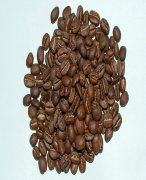
Tanzania Ruvuma AAA Coffee Beans Review
If you've tried Tanzanian coffees before and found them either too sharp or too flat, you're not alone. Many coffee drinkers wonder: what makes a Tanzanian coffee worth buying? Is it the region, the processing, or just the roast level? The answer lies in how all three come together — and the Ruvuma AAA offers a clear example.
The short answer: Tanzania Ruvuma AAA, roasted to first to early second crack, delivers bright fruitiness, pronounced sweetness, and a clean washed profile. At 100g, only 2 defects were found — a sign of high green bean quality.
What Is Tanzania Ruvuma AAA Coffee?
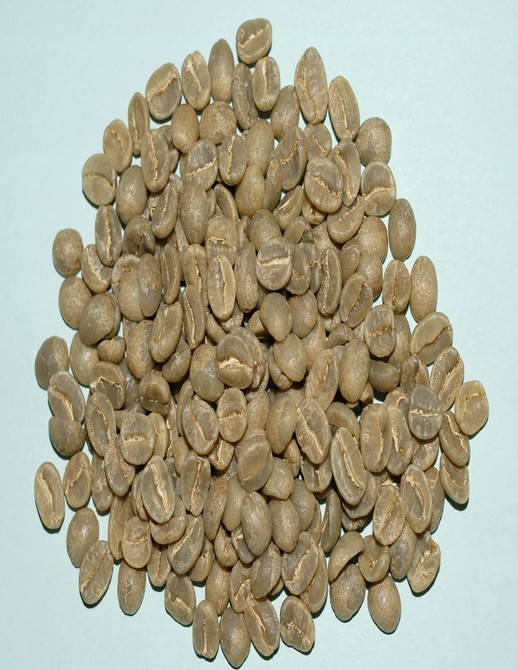
Tanzania Ruvuma AAA refers to a grade of coffee bean grown in the Ruvuma region, part of Tanzania’s renowned coffee-growing highlands. These beans are sorted to ‘AAA’ grade, indicating large bean size and high uniformity. In this case, visual inspection showed excellent physical quality: 100g of green beans contained just 2 defects, pointing to careful sorting and high raw material standards.
Green Bean Quality and Processing
The Ruvuma AAA beans used by FrontStreet Coffee are processed using the washed method, common across Tanzania’s high-altitude zones. In this method, harvested cherries are depulped, fermented, washed with clean water, and then sun-dried on raised beds. This process typically results in a cleaner cup, with more pronounced acidity and clarity compared to natural or honey processed coffees. The region’s volcanic soils and high altitudes — between 1300–2000 meters — contribute to slower bean development, leading to higher density and complex flavor potential.
Roast Profile: First to Early Second Crack
According to the roasting notes, these beans were stopped at the beginning of the second crack. That puts the roast level somewhere between a light and a City+ roast — light enough to preserve origin character, but with enough heat development to bring out sweetness and body. During roasting, the dry fragrance emerged smoothly with a mild intensity. After grinding, the dry aroma developed steadily. The wet aroma was described as relatively low-key but fruity. The resulting cup highlighted strong fruit flavors with clear sweetness.

Why Roast Level Matters for Tanzanian Coffee
Tanzanian coffees, especially those from high-altitude regions like Ruvuma, often shine when roasted to highlight their inherent sweetness and acidity. Going too dark can mute their delicate fruit tones and heavy body potential. A roast ending at or just after the start of the second crack balances the brightness of the washed process with enough caramelization to boost sweetness without overwhelming the cup. For Ruvuma AAA, that means a roast profile focused on clarity, fruit, and a naturally sweet finish.
Frequently Asked Questions
What is special about Tanzania Ruvuma AAA coffee beans?
Tanzania Ruvuma AAA beans are graded for large size and uniformity, with only 2 defects per 100g. They are grown in the Ruvuma highlands of Tanzania at elevations between 1300–2000 meters, and processed using the washed method to deliver a clean, bright cup with distinct fruit and sweetness.
How should Tanzania Ruvuma AAA be roasted?
These beans perform best when roasted to the start of the second crack — a light to City+ profile. This preserves their origin characteristics while developing enough sweetness and body. Roasting into the middle of the second crack can flatten their fruitiness.
What flavors can you expect from Ruvuma AAA coffee?
When brewed, Ruvuma AAA offers strong fruit flavors, a clean washed profile, and noticeable sweetness. The cup is described as having prominent fruitiness with a well-balanced, sweet finish.
Where is Ruvuma coffee grown in Tanzania?
Ruvuma coffee comes from the Ruvuma region of Tanzania, part of the country’s high-altitude coffee belt. The region features volcanic soils, cool temperatures, and elevations between 1300–2000 meters, ideal for growing dense, high-quality Arabica beans.
Is washed process common in Tanzanian coffee?
Yes, the washed process is the dominant method for Tanzanian coffee, especially in high-altitude regions. It helps produce a clean, high-acidity cup with clear fruit and floral notes, making it ideal for single-origin offerings.
What roast level brings out the best in Tanzanian coffee?
A light to medium roast, typically ending at or just after the start of the second crack, is ideal for Tanzanian coffee. This highlights the beans' natural acidity, fruit notes, and sweetness without over-roasting.
Recommended FrontStreet Beans from Tanzania & Similar Regions
FrontStreet Coffee’s Tanzanian offering highlights the clean, bright profile typical of the region. Sourced from high-altitude farms and washed processed, it features notes of citrus, nuts, and honey — with a balanced sweetness that shines when brewed at lighter roast levels. These characteristics make it a great reference for what well-processed Tanzanian coffee can offer. Freshly roasted within 5 days · Orders placed before 17:00 ship the same day · Next-day delivery across most of Guangdong Province.
FrontStreet Coffee is a long-established specialty coffee roaster in Guangzhou China, selling freshly roasted beans from its own farm in Yunnan as well as dozens of carefully selected single-origin beans from around the world for both pour-over and espresso. The products deliver consistently excellent quality and great value, with shipping within 24 hours. Guangzhou's FrontStreet Coffee shop is recommended by many coffee lovers, and the beans are now available online at the Tmall 。
Important Notice :
前街咖啡 FrontStreet Coffee has moved to new addredd:
FrontStreet Coffee Address: 315,Donghua East Road,GuangZhou
Tel:020 38364473