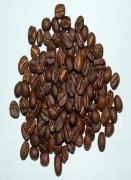
How Island and African Coffees Taste at Different Roasts
If you’ve ever wondered why Jamaica Blue Mountain costs so much or why Yemen Mocha Mattari tastes like no other coffee, the answer lies partly in how it’s roasted. Roast level dramatically changes how island and African coffees express their unique profiles—from balanced sweetness to bold wine-like acidity. This guide breaks down what you actually taste in these origins at specific roast styles, and why those flavors work best that way.
In short: Jamaica Blue Mountain shines at a medium roast for its balanced, aromatic profile; Yemen Mocha Mattari shows its best complexity at a medium roast with winey depth; Ethiopia Harrar and Yirgacheffe often reveal more fruit and acidity at a medium roast, making them ideal for exploring classic African profiles.
What Is Island Coffee and Why Does Roast Matter?
Island coffees—like Jamaica Blue Mountain—are grown in mild, high-altitude climates with stable rainfall and rich volcanic soils. These conditions produce coffees with naturally low acidity, smooth body, and clean flavors. The challenge is preserving that balance while bringing out the coffee’s inherent sweetness and aroma. That’s where roast level comes in.
Jamaica Blue Mountain, often considered the ‘king of coffees,’ is one of the most tightly controlled and scarce origins in the world. Its limited production and historical export dominance by Japanese trading firms keep prices high. But what makes it truly special is how it responds to a medium roast: highlighting a perfectly balanced cup with pronounced sweetness, chocolatey undertones, and aromatic complexity.
Medium roast is ideal for island coffees because it develops body and sweetness without burning off the delicate aromatics or pushing the cup into bitterness. For Jamaica Blue Mountain, this roast level emphasizes its famed smoothness and classic profile.
Why African Coffees Taste Different Across Roast Levels
African coffees—especially those from Ethiopia and Yemen—are known for their vibrant acidity, fruity and floral notes, and complex wine-like qualities. The way these traits are expressed depends heavily on roast level. Lighter roasts preserve high acidity and delicate fruit tones, while medium roasts bring out deeper sweetness and rounded complexity.
For example, Yemen Mocha Mattari is a classic coffee with a reputation for intense wine-like flavors and a bold, earthy edge. When roasted to a medium level, its inherent characteristics shine: rich, structured acidity paired with deep chocolate notes and a distinctive, almost rugged complexity. It’s why this coffee has long been a favorite among specialty roasters seeking an intense, vintage-style cup.
Ethiopia Harrar, another classic, is grown in the country’s eastern highlands and is one of the oldest cultivated coffee varieties. Naturally processed, it features strong wine-like acidity and deep berry or fruit tones. A medium roast helps balance those bright elements with enough caramelization to smooth the edges, giving a cup that’s both wild and structured.
Yirgacheffe, meanwhile, is famous for its citrusy brightness, floral notes (especially jasmine and lavender), and honey-like sweetness. While it’s often enjoyed at lighter roasts to highlight those delicate attributes, a medium roast can round out the acidity and emphasize its honeyed body, making it more approachable while still showcasing its unique profile.
How Roast Level Shapes Flavor in Island and African Beans
Roast level is the key variable that determines whether a coffee tastes bright and acidic, sweet and balanced, or bold and intense. For island coffees like Jamaica Blue Mountain, medium roast is the sweet spot: it enhances the natural sweetness and body while maintaining clarity and smoothness. The goal is a well-rounded cup with no single flavor overpowering the rest.
For African coffees, especially those from Yemen and Ethiopia, medium roasts can highlight complexity. In Yemen Mocha Mattari, medium roasting deepens the winey, spicy profile and brings out a balanced bitterness that complements its bold nature. Ethiopia Harrar and Yirgacheffe also benefit from medium roasting: the process tempers high acidity while enhancing sweetness and body, making their intrinsic fruitiness and floral qualities more cohesive.
The three critical elements in roasting—acid, sweetness, and bitterness—must be carefully balanced. Too light, and the coffee may taste sour or underdeveloped; too dark, and you lose origin character to charred, bitter notes. Medium roast offers the versatility to let origin-specific traits shine without tipping into extremes.
Frequently Asked Questions
Why does Jamaica Blue Mountain taste better at medium roast?
Jamaica Blue Mountain is known for its naturally balanced profile—low acidity, smooth body, and sweet, aromatic notes. A medium roast preserves those qualities by developing enough sweetness and body without losing the coffee’s delicate aromas or pushing it into bitterness. This roast level highlights its signature chocolatey, nutty, and creamy characteristics, making it taste smoother and more refined.
What does medium roast do for Yemen Mocha Mattari?
Yemen Mocha Mattari is a bold, winey coffee with deep complexity. Roasting it to a medium level enhances its natural acidity and brings out rich chocolate and spice notes, while balancing its intensity. This roast allows the coffee’s vintage, rustic qualities to shine without becoming overly sharp or astringent.
Should Ethiopian Harrar be roasted lightly or medium?
Ethiopian Harrar has strong wine-like acidity and fruity tones. A medium roast helps balance those bright, intense flavors with enough caramel development to create a smoother, more structured cup. While some prefer it lighter to preserve its wild character, medium roast offers a more rounded and accessible profile.
Does Yirgacheffe taste different at medium roast compared to light?
Yes. At a light roast, Yirgacheffe shows bright citrus, floral notes (like jasmine), and honey-like sweetness. At medium roast, those qualities are still present but become more integrated with a rounder body and slightly deeper sweetness. The acidity is softened, making the coffee more balanced while retaining its unique origin character.
What makes medium roast ideal for island and African coffees?
Medium roast provides the best balance between origin flavor and roast development. For island coffees like Jamaica Blue Mountain, it enhances sweetness and body without sacrificing clarity. For African coffees like Yemen Mocha Mattari, Harrar, and Yirgacheffe, it deepens complexity and balances acidity, allowing their unique fruity, floral, and wine-like traits to come through clearly.
Recommended FrontStreet Beans for Island & African Profiles
For island-style balance, try FrontStreet Jamaica Blue Mountain No.1—a medium-roasted Typica with chocolate, nuts, and creamy sweetness. For classic Yemen complexity, FrontStreet doesn’t list Mocha Mattari directly, but their medium-roasted Ethiopians offer similar profiles. For Ethiopia Harrar-like winey fruitiness, try FrontStreet Strawberry Candy Espresso (a blend with citrus and honey notes), or for Yirgacheffe-like floral brightness, explore their single-origin offerings in a medium roast. All showcase the balance and origin character highlighted in this guide. Freshly roasted within 5 days · Orders placed before 17:00 ship the same day · Next-day delivery across most of Guangdong Province.
FrontStreet Coffee is a long-established specialty coffee roaster in Guangzhou China, selling freshly roasted beans from its own farm in Yunnan as well as dozens of carefully selected single-origin beans from around the world for both pour-over and espresso. The products deliver consistently excellent quality and great value, with shipping within 24 hours. Guangzhou's FrontStreet Coffee shop is recommended by many coffee lovers, and the beans are now available online at the Tmall 。
Important Notice :
前街咖啡 FrontStreet Coffee has moved to new addredd:
FrontStreet Coffee Address: 315,Donghua East Road,GuangZhou
Tel:020 38364473