
How to Start Coffee Roasting With a DIY Wire Mesh Popcorn Skillet Method
If you’ve ever tried roasting coffee beans at home using just a frying pan or a popcorn maker, you’ve probably noticed how uneven the results can be. The beans scorch on one side, stay raw on the other, and the whole process feels more like guesswork than craft. What if there was a simple, affordable way to get more consistent roasts without buying expensive equipment?
The answer is a DIY wire mesh “fishing net” style popcorn skillet roaster—built with basic tools, under $10 in parts, and capable of producing surprisingly even roast profiles in just 10–15 minutes.
What Is a Wire Mesh Popcorn Skillet Roaster?
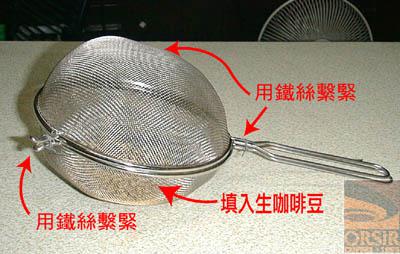
The “fishing net” or method is a low-tech, low-budget approach to coffee roasting that originated in Chinese home-roasting forums. Instead of using a pan, popcorn machine, or oven, this method involves two modified metal wire mesh baskets (commonly sold as fry baskets or deep fry scoops) bound together with thin wire. One basket is wrapped in aluminum foil to help trap heat, improving consistency over a regular skillet or uncovered pan. It’s compact, mobile (often used outdoors), and much more effective than a bare pan for even heat distribution.
Why This Method Works Better Than a Pan
Unlike a flat pan, the wire mesh allows airflow around each bean, reducing the risk of scorching while improving heat transfer. Covering one mesh with aluminum foil reflects heat back into the roasting chamber, evening out temperature fluctuations. The dual-basket design also lets you gently rock and flip the beans continuously without spilling, mimicking the tumbling motion of a drum roaster. Though it lacks digital controls or thermocouples, this method offers far more uniformity than a simple pan and is significantly easier to build than modifying a popcorn kettle or buying a used commercial roaster.
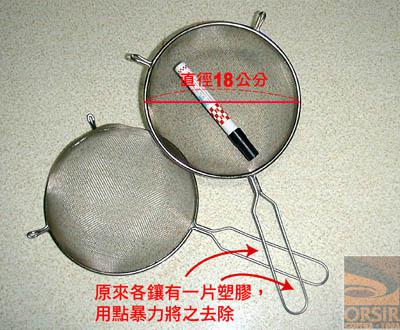
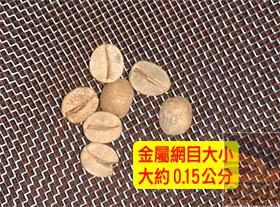
The metal mesh used should have larger holes—around 0.15 cm—to prevent fine chaff (silver skin) from clogging. Very fine mesh may hinder bean movement or trap debris. Most importantly, the setup is portable, inexpensive, and allows for quick adjustments based on sight, smell, and sound—the core senses of any home roaster.
How to Build and Use a Wire Mesh Coffee Roaster
To make your own wire mesh popcorn kettle-style roaster, follow these steps:
- Tools & Materials: Two metal wire mesh baskets (with ~0.15 cm holes), thin iron or copper wire, aluminum foil, cloth or oven mitts, gas stove (or portable burner), electric fan, metal tray, small chair (optional).
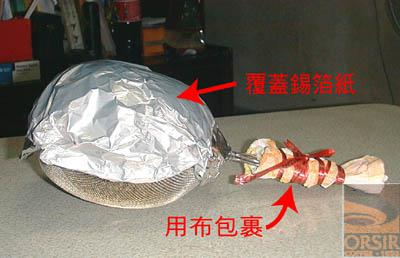
- Prepare the Baskets: Remove any plastic handles. Take one basket and line the inside or outside with aluminum foil, pressing it tightly to the mesh to trap heat. For better insulation, add extra folded layers of foil between the mesh and outer layer.
- Assemble the Roaster: Load about 150g of green coffee beans into one basket. Secure the two baskets together using thin wire, binding them tightly so they remain fixed during agitation.
- Add Safety & Comfort: Wrap cloth or a towel around the wire handles to protect your hands from heat.
For safety and easy cleanup, take the entire setup—along with your gas stove, fan, tray, and chair—outside. The fan helps blow away chaff, and the tray catches beans after roasting.
How to Roast: Step-by-Step Process
A typical roast using this method lasts between 10–40 minutes depending on your goals, but most beginners aim for 10–15 minutes to achieve a city to city+ profile. Here’s how the process unfolds:
- Ignition & Initial Heating: Place the roaster on a low gas flame. Begin rocking the baskets side to side (about 20 cm swings) and occasionally up and down to agitate the beans. Move five times side-to-side, then once up-and-down.
- Dehydration Phase (2–3 minutes): Increase heat slightly. Silver skin will start flaking off like dandruff. The beans turn yellow-brown, and a mild sweet aroma develops—your first sign of Maillard reactions beginning. If you stop here, you’ll have a very light, tea-like roast.
- Approaching First Crack (5–10 minutes): The sweet smell deepens, with hints of toastiness. Soon you’ll hear the first cracks (“”), starting softly and growing more frequent. This marks the beginning of light-medium roast territory. Many prefer to stop here for a brighter cup.
- First Crack (10–12 minutes): As popping intensifies, light smoke appears. You can stop here for a city roast or continue into second crack for darker profiles.
- Second Crack (12–14+ minutes): A finer, quicker “” sound signals second crack. Smoke increases. Reduce heat or lift the roaster to avoid burning. Most light-to-medium roasters stop before or just as second crack begins.
When your target roast level is reached, immediately remove the foil, place the roaster in front of the fan while rotating it to cool the beans. Within two minutes, the basket should be cool enough to safely open. Transfer the beans to a metal tray to finish cooling—the satisfying sound of roasted beans hitting the metal is your reward.
Check a few beans by biting or chewing them to test for evenness. Look for any raw centers or burnt edges. Proper agitation and consistent motion are key to avoiding hot spots common in simpler methods like pan roasting.
Mistakes to Avoid
- Using fine mesh (less than ~0.15 cm) that traps silver skin or restricts bean movement.
- Not agitating constantly—beans will scorch on one side.
- Roasting too long without temperature control, leading to burnt flavors.
- Skipping cooling immediately post-roast, which dulls aromatics.
- Trying to roast indoors without proper ventilation—chaff and smoke can be overwhelming.
Frequently Asked Questions
What kind of wire mesh basket should I use for coffee roasting?
Use two metal baskets with approximately 0.15 cm (0.06 inch) holes. The holes should be large enough to let chaff escape but small enough to keep beans contained. Avoid very fine mesh (like a standard kitchen strainer) as it restricts movement and traps silver skin.
Do I need a thermometer to roast coffee with this method?
No, this method relies on visual, auditory, and olfactory cues rather than precise temperature control. You’ll learn to identify the first and second cracks by sound, and track roast progress by bean color and aroma.
How many grams of green coffee beans should I use per batch?
The recommended amount is around 150g. This fits comfortably in the two baskets and allows for even heat distribution and sufficient air circulation during roasting.
Can I roast indoors with this method?
It’s not recommended due to heavy chaff and smoke production. Most users set up the roaster outside on a small chair or table near a gas burner, with a fan to blow away chaff.
What’s the difference between first crack and second crack?
First crack is louder and slower, signaling the start of light roasts. Second crack is quicker and softer, indicating a move into medium-dark or dark roast levels. Most home roasters using this method stop between the two.
FrontStreet Coffee is a long-established specialty coffee roaster in Guangzhou China, selling freshly roasted beans from its own farm in Yunnan as well as dozens of carefully selected single-origin beans from around the world for both pour-over and espresso. The products deliver consistently excellent quality and great value, with shipping within 24 hours. Guangzhou's FrontStreet Coffee shop is recommended by many coffee lovers, and the beans are now available online at the Tmall 。
Important Notice :
前街咖啡 FrontStreet Coffee has moved to new addredd:
FrontStreet Coffee Address: 315,Donghua East Road,GuangZhou
Tel:020 38364473

