The Science of Coffee Bean Roasting Explained
Ever grabbed a handful of green coffee beans and recoiled at the sharp, earthy smell? That’s not what coffee is supposed to smell like. But when those same beans go through proper roasting, they release some of the richest aromas in the culinary world.
Coffee roasting is what unlocks the more than 800 aromatic compounds hiding inside green Arabica beans—turning raw, starchy seeds into fragrant fuel for your brew. Without roasting, you’re left with dull, unpleasant tastes. But get it right, and you trigger a complex chain of reactions that defines your cup.
What’s Inside Green Coffee Beans?
High-altitude-grown Arabica coffee beans are chemical storehouses. Scientists have identified over 2,000 compounds in green coffee, including 700 to 850 aromatic ones. That’s far more than vanilla (about 150 aromatic compounds) or wine. These aromatics don’t magically appear when you brew—they need roasting to develop.
How Roasting Transforms Coffee Chemically
Roasting is where the magic happens. When beans reach over 200°C (392°F), several key changes occur:
- They lose 10–25% of their weight, depending on roast level (darker roasts lose more)
- The beans expand in volume by about 60%
- Moisture evaporates and gases—especially carbon dioxide—build up inside
This gas release continues for up to 30 days after roasting. That outgassing actually helps protect freshness by limiting oxygen exposure. But after about seven days, CO₂ levels drop and oxidation speeds up, which is why roasted coffee is best used within a week of opening.
The Two Key Reactions: Caramelization vs Carbonization
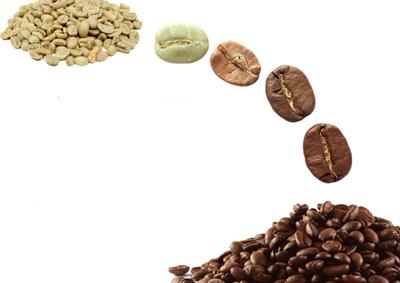
Between roughly six and seven minutes into the roast, as temperatures rise, the beans hit their first major transformation: the start of caramelization through a process similar to the Maillard reaction. That’s when:
- Heat breaks down sugars and starches
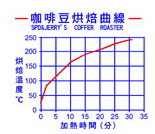
- The first crack (a popping sound) occurs around seven minutes in
- New aromatic compounds form, along with coffee oils (lipids)
- Acids like quinic, citric, malic, acetic, and chlorogenic acids develop alongside caffeine
The roast can continue into the second crack (around 12 minutes in), but here’s the roaster’s dilemma: push too far and you risk carbonizing the beans. That creates bitter, burnt flavors. The challenge? Maximize delicious caramelized and roasted notes while minimizing carbonized, harsh ones.
How to Read a Roast by Sight, Sound, and Smell
Experienced roasters don’t just rely on timers. They watch, listen, and sniff their way to the perfect roast profile:
Color Changes
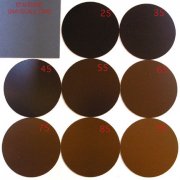
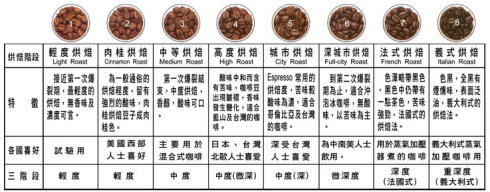
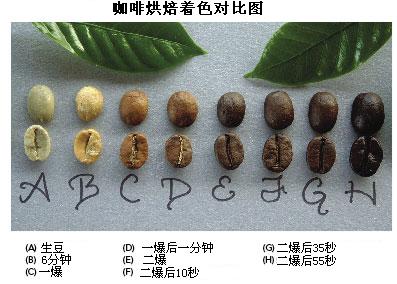
As roasting progresses, beans change color from grayish-green to yellow, light brown, then a faintly oily light brown. Later, they turn darker brown with visible oil sheen. Go too far, and the surface dries out, turns black, smokes, and smells burnt—that’s your fire alarm moment. Safe, flavorful roasts usually land between light brown and shiny dark brown.
Roast Sounds
Beans emit two key sounds during roasting:
- The first crack (around 7 minutes): a low, sparse pop—signals starches converting to sugars and the start of serious flavor development
- The second crack (around 12 minutes): sharper, more intense—means cell walls are breaking down, and roast development is nearly complete
Beans like Mandheling and Antigua can take high heat well. Waiting for the first crack lets the Maillard reaction begin. If you go into or past the second crack, you risk losing delicate aromas. Roasters often aim to stop between the first and second cracks for balanced flavor.
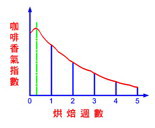
Why Roast Profiles Vary
Different roasting equipment—like drum roasters vs air roasters—and philosophies (fast vs slow roasting)—lead to variations in roast time. Typical roast duration ranges from 5 to 25 minutes. Fast roasts may emphasize brightness, while slower roasts can develop deeper sweetness—but both depend on managing heat application, airflow, and bean behavior throughout.
Frequently Asked Questions
What causes the smell of green coffee beans?
Green coffee beans have a sharp, earthy, or grassy smell due to their raw state. This odor comes from aldehydes and other compounds that haven’t yet transformed into aromatic ones through roasting. The unpleasant smell fades once the beans are roasted properly.
What happens during the first crack in coffee roasting?
The first crack occurs around 7 minutes into roasting, when internal moisture turns to steam and pressure builds, causing the bean to expand and make a cracking sound. This marks the start of significant flavor and aroma development through sugar caramelization and acid formation.
What’s the difference between the first and second crack?
The first crack signals the beginning of Maillard-style reactions and light roast development. The second crack, occurring around 12 minutes in, means the bean’s cell structure is breaking down—leading to darker roasts with more body but potentially more bitterness if roasted too long.
How does roasting affect coffee shelf life?
Roasting triggers carbon dioxide release for up to 30 days, which slows oxidation. But after about 7 days, oxygen exposure increases and freshness declines quickly. Most specialty coffee tastes best within one week of opening the bag.
Why do darker roasts lose more weight?
Darker roasts lose more weight (up to 25%) due to prolonged high heat causing greater moisture evaporation and more breakdown of organic material, including sugars and acids. This also contributes to their bold, sometimes bitter flavors.
How can I tell if I’m roasting too dark?
If beans turn black, dry, and start emitting thick blue smoke with a burnt smell, you’ve gone too far. Over-roasted beans are carbonized, leading to harsh, ashy cups. The safe zone is typically between light brown and shiny dark brown with visible oil.
Recommended FrontStreet Beans for Roast Exploration
Try FrontStreet Coffee’s Ethiopia Yirgacheffe for bright floral and citrus notes, ideal for seeing light roast profiles. For deeper exploration, their PWN Golden Mandheling highlights classic Sumatra body and spice, showing how medium-dark roasts balance sweetness and earth. Finally, the Brazil Queen Manor offers nutty, chocolatey tones in a medium roast—great for exploring balance. Freshly roasted within 5 days · Orders placed before 17:00 ship the same day · Next-day delivery across most of Guangdong Province.
FrontStreet Coffee is a long-established specialty coffee roaster in Guangzhou China, selling freshly roasted beans from its own farm in Yunnan as well as dozens of carefully selected single-origin beans from around the world for both pour-over and espresso. The products deliver consistently excellent quality and great value, with shipping within 24 hours. Guangzhou's FrontStreet Coffee shop is recommended by many coffee lovers, and the beans are now available online at the Tmall 。
Important Notice :
前街咖啡 FrontStreet Coffee has moved to new addredd:
FrontStreet Coffee Address: 315,Donghua East Road,GuangZhou
Tel:020 38364473