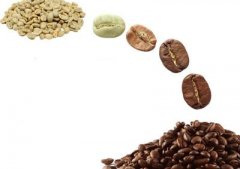
How to Define Coffee Roast Levels by Agtron Numbers
When you buy coffee, terms like ‘light roast’ or ‘dark roast’ are easy enough to hear—but what do they actually mean? Is a ‘city roast’ in California the same as one in New York? For years, American coffee culture used vague regional terms without standardization, leading to confusion over roast definitions and flavor expectations. The result? One roaster’s ‘fully city’ might be another’s ‘vienna,’ depending on geography and taste bias.
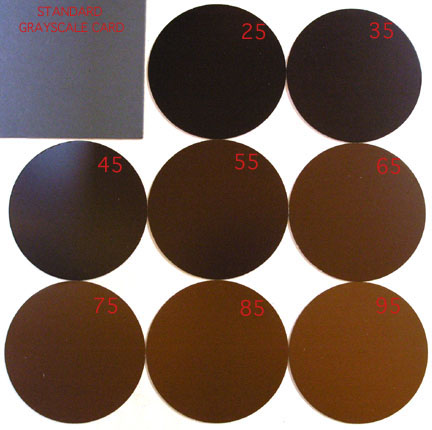
The straightforward answer: use Agtron numbers. According to the Specialty Coffee Association of America (SCAA), a lightest ‘cinnamon’ roast scores 70+, while a ‘city’ roast is 60+. A ‘fully city’ or vienna lands around 40, and anything below 35—including french and italian roasts—is considered dark or very dark. These infrared-measured values remove guesswork and align roast degree with measurable color change.
The Origins of Vague Roast Terms
America’s traditional roast terminology—like cinnamon, city, and full city—was never scientifically precise. Instead, it reflected regional taste preferences. The West Coast often preferred darker, bolder roasts compared to the lighter, brighter styles favored back East. This meant a so-called ‘light roast’ on one coast could easily match what the other called a medium or even dark roast. Without shared metrics, these terms caused more debate than clarity.
Introducing Agtron: The Roast Color Standard
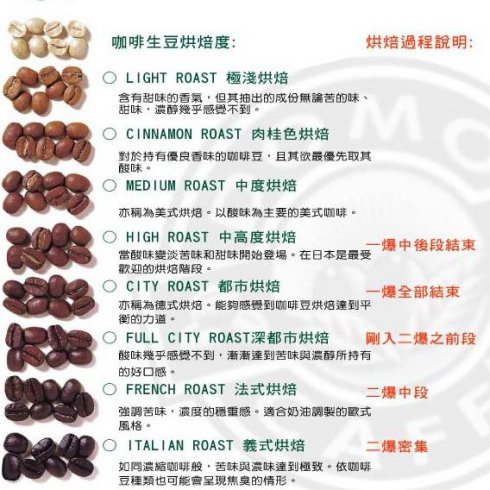
To resolve inconsistencies, the SCAA adopted the Agtron system—a scientific measurement of roast color based on near-infrared reflectance. The higher the Agtron number, the lighter the roast, since less caramelization (Maillard reaction) has occurred. The scale commonly referenced breaks down as follows:
| Roast Level | Agtron Number Range |
|---|---|
| Cinnamon (lightest) | 70+ |
| City (light) | 60–70 |
| Full City / Vienna | ~40 |
| French / Italian / Dark | 35 and below |
This numeric approach allows roasters and consumers to speak a common language when discussing roast degree, eliminating regional misinterpretations.
How Roast Level Alters Coffee Flavor

Roast level deeply affects a coffee’s sensory profile. Acidity generally decreases as roast intensity increases—so if you enjoy bright, fruity, or tart notes, lighter roasts are your best bet. Conversely, bitter, smoky, or caramelized qualities emerge in darker roasts. Here’s how key attributes shift:
- Acidity: Higher in light roasts, lower in dark roasts
- Coffee caffeine content: Slightly higher in light roasts (caffeine degrades during extended roasting)
- Fruitiness / floral notes: Most pronounced in lighter roasts, fade with darker roasting
- Body & sweetness: Often peak around full city/vienna (Agtron ~40)
- Chocolate, nuts, and smoky flavors: Emerge strongly in dark roasts
- Crema potential (for espresso): Enhanced in darker roasts due to higher solubility
Light roasts preserve more origin characteristics but may lack the rounded body or boldness some drinkers prefer. Dark roasts can develop rich complexity, but poor technique risks burnt, ashy, or overly bitter results.
The Great Light vs. Dark Roast Debate
The question of ideal roast level isn’t just technical—it’s ideological. On one side are proponents of lighter roasts, including major players like Illy, Green Mountain, and Vivace Espresso. These roasters typically halt roasting just before the coffee begins to exude oils, often stopping around Agtron 40 or earlier. They argue that coffee oils carry delicate aromatic compounds, and preserving them leads to better balance between acidity and sweetness. They also claim that allowing oils to surface means losing valuable aromatics and ending development too early.
The Dark Roast Philosophy
On the opposite end, dark roast advocates—like Peet’s Coffee, Caffe D’Arte, and Beans & Machines—insist that coffee must reach the point of oil emergence to realize its full potential. Their espresso roasts typically measure below Agtron 35. Some, like Peet’s, have gone as low as Agtron 18 for certain beans. They believe that the second crack and subsequent oil development unlock deeper flavors, including bold body, chocolatey richness, and a satisfying finish. Far from seeing oil as a flaw, they view it as a sign of proper development.
This camp criticizes light roasts as underdeveloped or overly acidic, suggesting that some roasters avoid darker roasts to cut costs—since only high-quality beans can handle intense heat without turning unpleasantly bitter. They pride themselves on mastering the risky post-second-crack phase, where small mistakes can ruin the entire batch.
What FrontStreet Coffee Recommends
While the debate continues, both roast styles have their merits. Light roasts celebrate origin character with higher acidity and delicate aromas, while dark roasts offer bold, syrupy body and roasted complexity. If you're exploring these styles, consider trying FrontStreet Coffee's range of carefully roasted beans that showcase both ends of the spectrum.
Frequently Asked Questions
What is an Agtron number and how is it used?

An Agtron number is a scientific measurement of coffee bean color, determined using infrared reflectance. It helps standardize roast levels: higher numbers (70+) indicate lighter roasts like cinnamon, while lower numbers (below 35) signify dark roasts such as french or italian. The SCAA uses this scale to provide an objective benchmark for roast degree.
What flavor differences exist between light and dark roasts?
Light roasts tend to be more acidic, brighter, and showcase fruity or floral notes. They retain more of the coffee’s origin characteristics. Dark roasts develop deeper, richer flavors like chocolate, nuts, and caramel, with lower acidity and more body. They may also taste bitter or smoky if over-roasted.
Which roast level has more caffeine?
Light roasts actually contain slightly more caffeine than dark roasts. This is because prolonged roasting breaks down some caffeine content. However, the difference is small and often outweighed by individual taste preferences.
Why do some roasters stop roasting before oils appear?
Roasters who prefer lighter roasts argue that coffee oils carry delicate aromatic compounds. Letting oils surface can mean losing those aromas. They aim to balance acidity and sweetness while preserving origin flavors, usually stopping around Agtron 40 or higher.
What are the risks of dark roasting?
Dark roasting requires precision. If not done carefully, it can result in burnt, ashy, or overly bitter coffee. The window between properly developed dark roast and ruined beans is narrow, especially after the second crack when the bean changes rapidly.
What is the SCAA roast classification based on?
The SCAA uses Agtron color values to classify roast levels. Their system defines cinnamon at 70+, city at 60+, full city/vienna around 40, and anything below 35 as dark roast, including french and italian styles. It provides a consistent, science-based approach to describing roast degree.
Recommended FrontStreet Beans for Roast Exploration
Explore roast diversity with FrontStreet Coffee’s PWN Golden Mandheling, a classic dark roast delivering low acid, heavy body, and spicy sweetness with notes of herbs and wood. For something medium-dark, try the Brazil Queen Manor, balancing hazelnut and cocoa tones with gentle fruit, ideal for espresso or milk drinks. The Colombia Huila offers a medium-bodied, brighter option with berry notes and lingering caramel, showcasing how origin shines even in fuller roasts. Freshly roasted within 5 days · Orders placed before 17:00 ship the same day · Next-day delivery across most of Guangdong Province.
FrontStreet Coffee is a long-established specialty coffee roaster in Guangzhou China, selling freshly roasted beans from its own farm in Yunnan as well as dozens of carefully selected single-origin beans from around the world for both pour-over and espresso. The products deliver consistently excellent quality and great value, with shipping within 24 hours. Guangzhou's FrontStreet Coffee shop is recommended by many coffee lovers, and the beans are now available online at the Tmall 。
Important Notice :
前街咖啡 FrontStreet Coffee has moved to new addredd:
FrontStreet Coffee Address: 315,Donghua East Road,GuangZhou
Tel:020 38364473