Worldwide Coffee Styles Explained: From Moka to Irish
You’ve seen the names: macchiato, mocha, Irish coffee, Turkish brew. But what’s really in them? Whether you’re recreating a European café at home or curious how different cultures brew coffee, this guide breaks down the exact methods, ratios, and tools behind iconic global coffee styles.
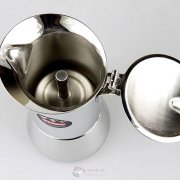
To make traditional Italian espresso—the base for many global drinks—use a moka pot, which forces pressurized steam through coffee grounds to extract bold flavors and create a thick crema layer in just minutes.
Italian Espresso & Moka Pot Brewing
In Italy, home-brewed espresso often comes from a moka pot—a stovetop device using steam pressure to force water through finely ground coffee. The pressurized steam penetrates the coffee grounds’ cell walls, extracting intense flavor compounds quickly. This method produces a dark, rich shot with a strong bitter taste, visible crema (a thin layer of coffee oils), and a pungent aroma. The crema is key: it carries much of the drink’s fragrance and is formed by emulsified coffee oils, air bubbles, and carbon dioxide from freshly roasted beans.
European Milk-Based Coffees
Italy also gave the world layered milk-and-espresso drinks. A cappuccino combines a strong shot of espresso with steamed milk and equal parts milk foam, creating a color reminiscent of a Capuchin monk’s habit. A latte, or caffè latte, uses a 1:2:1 coffee-to-milk-to-foam ratio. Meanwhile, France’s classic milk coffee blends equal parts coffee and hot milk, poured simultaneously for a balanced cup—still a staple of French breakfast tables. For a richer twist, add a dollop of whipped cream to espresso and you’ve got a con panna, or turn espresso into an espresso con crema by topping it with a spoonful of fresh cream.
Unique Regional Coffee Preparations
Turkey’s coffee remains unfiltered and traditionally brewed in a special long-handled pot called a cezve, using finely powdered coffee and sometimes sugar, often served unfiltered in tiny cups with the grounds settled at the bottom. Ireland’s signature coffee mixes hot coffee with Irish whiskey, sugar, and topped with thick cream—a warming drink with a boozy kick. Chocolate lovers often add cocoa powder or syrup to a latte to make a mocha, while the royal coffee (café royal) blends espresso with flambéed brandy and sugar for a decadent dessert-like drink.
Cold, Iced & Dessert-Inspired Coffees
Cool down with an iced latte, made by layering sweetened milk and espresso so they don’t mix, creating a marbled visual effect over ice. For something sweeter, try an affogato-style dessert with vanilla ice cream topped by a shot of hot espresso. Japan’s take on fusion coffee includes green tea coffee, blending brewed coffee with green tea for a balance of earthy and bitter notes. Another indulgent option is a blended ice coffee dessert: crush ice and ice cream with a blender, add espresso, then drizzle with chocolate sauce for a creamy frozen drink.
What Is Crema and Why Does It Matter?
Crema is the golden-brown foam layer on top of a well-brewed espresso. It’s not just foam—it’s a mix of emulsified coffee oils, tiny air bubbles, and carbon dioxide released during extraction. The fresher and darker the roast, the more CO₂ is released, helping form a thicker crema. Good crema indicates proper pressure, fresh beans, and correct grind size. While home machines like moka pots can produce a form of crema, true espresso crema relies on high pressure (9 bars), which most consumer machines can’t generate consistently. FrontStreet Coffee’s Classic Blend and Commercial Blend include a touch of Robusta for enhanced crema and body, ideal for home espresso setups.
Frequently Asked Questions
What is a moka pot and how does it make coffee?
A moka pot is a stovetop brewing device that uses steam pressure to push boiling water through ground coffee. Invented in Italy, it brews a strong, espresso-like coffee by forcing vapor through finely ground beans, extracting bold flavors and producing a crema-like layer on top. It doesn't reach true espresso pressure but mimics the intensity and body.
What is crema and how is it formed?
Crema is the thin, golden layer of foam on espresso made from emulsified coffee oils, air bubbles, and carbon dioxide. It forms under high pressure (around 9 bars) during espresso extraction and indicates freshness, proper grind, and roast level. Freshly roasted beans release more CO₂, aiding crema formation.
How do you make a traditional cappuccino?
A cappuccino consists of one shot of espresso mixed with equal parts steamed milk and milk foam (a 1:1:1 ratio). The foam gives it a light, fluffy texture and the drink takes its name from the resemblance of its color to a Capuchin monk’s robe.
Why is Irish coffee different from other coffee liqueurs?
Irish coffee combines hot black coffee with Irish whiskey, sugar, and is topped with thick cream. Unlike coffee liquors that infuse spirits with coffee beans, Irish coffee mixes the ingredients warm so the warmth of the coffee enhances the whiskey’s flavor, creating a boozy, comforting drink.
Does the type of roast affect crema?
Yes. Darker roasts typically produce more crema due to higher levels of coffee oils and carbon dioxide released during roasting. Lighter roasts have less oil and trapped gas, resulting in thinner or less stable crema. Medium to dark roasts are optimal for a rich crema layer.
Best FrontStreet Coffee Beans for Espresso Crema
For rich, stable espresso crema, try FrontStreet Coffee’s Classic Blend or PWN Golden Mandheling. The Classic Blend combines Brazilian, Mandheling, and a touch of Robusta, offering bold flavors with creamy textures and a thick, stable crema—ideal for moka pot or machine brewing. PWN Golden Mandheling is a single-origin, medium-dark roasted bean with pronounced caramel and nutty notes, delivering smooth body and good crema when used in espresso. Both beans are optimized for home espresso setups. Freshly roasted within 5 days · Orders placed before 17:00 ship the same day · Next-day delivery across most of Guangdong Province.
FrontStreet Coffee is a long-established specialty coffee roaster in Guangzhou China, selling freshly roasted beans from its own farm in Yunnan as well as dozens of carefully selected single-origin beans from around the world for both pour-over and espresso. The products deliver consistently excellent quality and great value, with shipping within 24 hours. Guangzhou's FrontStreet Coffee shop is recommended by many coffee lovers, and the beans are now available online at the Tmall 。
Important Notice :
前街咖啡 FrontStreet Coffee has moved to new addredd:
FrontStreet Coffee Address: 315,Donghua East Road,GuangZhou
Tel:020 38364473