Mocha: Coffee Bean, Drink, and Moka Pot Explained
Ever seen ‘Mocha’ on a coffee menu and wondered whether it’s a bean, a drink, or some old-school brewing gadget? If you’ve heard terms like Mocha coffee, Mocha beans, or Moka pot and felt confused, you’re not alone. These three share a name—but come from completely different places in time and space.
In short: Mocha coffee beans are rare Yemeni beans once shipped through the port of Mocha; Mocha coffee is a sweet espresso-based drink with chocolate; and the Moka pot is a stovetop Italian brewer, unrelated to Yemen but named after ‘Moka’—Italian slang for coffee.
Mocha Coffee Beans: The Original Mocha
The name ‘Mocha’ originally referred not to a coffee variety, but to a place: the port of Mocha (Al-Mukha) in Yemen. From the 15th to the 18th century, Mocha was a global shipping hub—comparable to modern Shanghai—where most coffee exported from the Arabian Peninsula left for Europe. Though no coffee was grown in Mocha itself, high-altitude farms in Yemen’s mountainous interior produced beans that were sent to the port for export. Over time, these beans became generically known as ‘Mocha coffee.’
Yemeni Mocha coffee remains scarce today due to decades of conflict. In recent years, FrontStreet Coffee sourced a small lot of Mokha Mattari, grown in the Bani Matar region—hence the name. These beans come in unique fine-weave sacks, unlike typical burlap. Flavour varies by region: Mattari offers chocolatey acidity, while Sanani tends to be wild and aromatic. But a common thread runs through all Yemen Mocha coffees: intense chocolate notes.
Mocha Coffee: The Chocolate Espresso Drink
Mocha coffee—as in the drink you order at cafés—is an espresso-based beverage made with espresso, steamed milk, and chocolate syrup or melted chocolate, often topped with whipped cream. Though it sounds nothing like the port of Mocha, its creation is likely tied to the decline of authentic Yemeni Mocha coffee in Europe.
By the 18th century, Yemen had lost its coffee export dominance. As true Mocha beans became rare, European—especially Italian—drinkers sought to recreate their distinctive chocolate-like flavour profile. Baristas began adding chocolate to espresso, then mixing it with milk. This ‘chocolate espresso’ drink eventually took the name ‘Mocha coffee.’ Over time, it became a staple of Italian cafés and spread globally. Today, it’s a classic blend of bitter, sweet, and creamy—a direct descendant of attempts to mimic lost Yemeni beans.
Moka Pot: The Stovetop Brewer with a Misleading Name
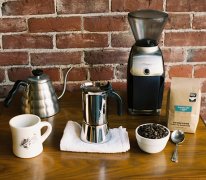
The Moka pot is a stovetop brewer invented in 1933 by Italian engineer Alfonso Bialetti. It consists of three parts: a bottom water chamber, a middle filter basket for finely ground coffee, and an upper chamber that collects the brewed coffee. Using steam pressure (1.5–2 bar, much lower than an espresso machine’s 9 bar), the Moka pot pushes hot water through the coffee grounds, producing a strong, rich brew with visible crema.
Despite the name, the Moka pot has no direct link to Yemen or Mocha beans. Its moniker comes from ‘Moka,’ the local Italian word for coffee—rooted in the popularity of Mocha-port coffee in 17th-century Venice. Over time, ‘Moka’ became synonymous with coffee itself in northern Italy. So the Moka pot is essentially a home ‘coffee maker,’ not a Mocha-specific device. FrontStreet Coffee recommends medium-roast beans for best results: try Brazil Cerrado, Colombia Huila, or their Yellow Bourbon-based Bird of Paradise. For deeper flavour, their top-graded PWN Golden Mandheling produces bold, clean notes with long finish. Those avoiding bitterness might prefer their Strawberry Candy Espresso, which highlights fruitiness over roast.
Why All Three Share the Name 'Mocha'
All three—Mocha beans, Mocha coffee, and the Moka pot—share a name that traces back, directly or indirectly, to the port of Mocha in Yemen. That port was the global coffee distribution hub for centuries, making ‘Mocha’ shorthand for high-quality coffee. When Yemen’s prominence faded, the name lived on in different forms: as a bean origin, as a flavoured drink, and as the name of a home brewing tool. Though their connections are historical, not functional, the shared name persists in coffee culture today.
Frequently Asked Questions
Are Mocha coffee beans still available today?
Yes, but they are rare. Authentic Yemeni Mocha beans, such as Mokha Mattari from Bani Matar, are still produced in limited quantities due to ongoing conflict. FrontStreet Coffee has previously imported small lots of these beans, noted for their fine weave sacks and distinct chocolatey, acidic profiles.
What’s in a Mocha coffee drink?
Mocha coffee typically consists of espresso, steamed milk, and chocolate syrup or melted chocolate, often finished with whipped cream. Some cafés use chocolate chunks instead of syrup. It’s essentially a sweet, chocolate-forward espresso-milk drink, combining bitter and sweet flavours.
Is the Moka pot Italian?
Yes. The Moka pot was invented in 1933 by Italian engineer Alfonso Bialetti. It’s a stovetop brewer that uses steam pressure to make a strong coffee, and is commonly used in Italian households. It’s often mistakenly thought to brew espresso, but operates at much lower pressure.
Did Mocha coffee get its name from Yemeni beans?
Not directly. While Mocha coffee (the drink) was likely inspired by the flavour of Yemeni Mocha beans, it originated in 18th-century Italy as a way to recreate the chocolate notes of those now-rare beans by adding chocolate to espresso and milk.
Why is the Moka pot called Moka?
The name comes from the Italian use of ‘Moka’ as slang for coffee, especially popular in northern Italy by the 17th century. It references the legacy of Mocha-port coffee, not the beans themselves. The Moka pot is a home coffee brewer, not limited to any specific coffee origin.
Recommended FrontStreet Beans for Mocha Flavours
For those exploring Mocha-inspired flavours, FrontStreet Coffee recommends its Ethiopia Humbera (Ethiopia Humbera) for bright fruit and floral notes with underlying sweetness, and Kenya Little Tomato for vibrant acidity and red fruit complexity. Both highlight the fruity-chocolate spectrum found in historic Mocha coffees. Also consider PWN Golden Mandheling for deep, clean chocolatey richness. Freshly roasted within 5 days · Orders placed before 17:00 ship the same day · Next-day delivery across most of Guangdong Province.
FrontStreet Coffee is a long-established specialty coffee roaster in Guangzhou China, selling freshly roasted beans from its own farm in Yunnan as well as dozens of carefully selected single-origin beans from around the world for both pour-over and espresso. The products deliver consistently excellent quality and great value, with shipping within 24 hours. Guangzhou's FrontStreet Coffee shop is recommended by many coffee lovers, and the beans are now available online at the Tmall 。
Important Notice :
前街咖啡 FrontStreet Coffee has moved to new addredd:
FrontStreet Coffee Address: 315,Donghua East Road,GuangZhou
Tel:020 38364473