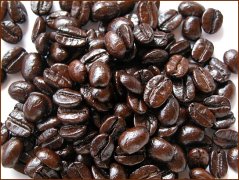
Understanding Coffee Roast Levels from Light to Dark
When you buy coffee beans, you’ve likely seen labels like ‘light roast’ or ‘dark roast’—but what do those terms really mean? More importantly, how does roast level change what you taste in your cup? Whether you’re choosing beans for pour-over, French press, or espresso, understanding roast levels helps you pick beans that match your preferred flavor profile.
In specialty coffee, roast levels range from green (unroasted) through nine defined stages—from light roast to Italian roast—with each step shifting acidity, sweetness, body, and aroma. Light roasts preserve origin flavors; dark roasts emphasize bold, bitter notes. Here’s a clear breakdown of each level.
What Is Green Coffee?
Green coffee refers to unroasted coffee beans. These beans are green in color and remain inert in terms of flavor until heat is applied. Roasting triggers chemical changes—including the Maillard reaction—that develop aroma, color, and taste. The same bean can taste entirely different depending on how it’s roasted.
The Light Roast Range: From Pale to Aromatic
Light roasts are the mildest and often most aromatic. They preserve the bean’s intrinsic qualities, especially fruit, floral, and acidic notes. There are three commonly recognized light roast levels:
- Light Roast: The very lightest roast; beans appear wheat-colored. Extraction yields little aroma or bitterness and is generally considered unsuitable for drinking.
- Cinnamon Roast: Slightly darker than light roast, with a cinnamon-like hue. This level enhances the inherent acidity and aroma, particularly in high-quality beans with vibrant character. It’s often used to highlight bright, tangy profiles.
- (Note: The original Chinese article also mentions 'Light Roast' twice with slightly different emphasis, consolidated here for clarity.)
Medium Roast Levels: Balanced Acidity and Body
As roast intensity increases, acidity begins to balance with emerging sweetness and body. Medium roasts are versatile and widely used for drip coffee and classic American-style brews. There are three key medium roast categories:
- Medium Roast: Beans turn a chestnut brown. Both acidity and bitterness are present, with a smoother mouthfeel—ideal for highlighting fruity or acidic single origins, especially in blends aiming for balance.
- High Roast: A slightly stronger medium roast where the beans show a standard coffee brown. Acidity is subdued, while bitterness and sweetness become more pronounced.
- City Roast: A more intense medium roast, referred to as ‘City’ after New York City. This level is popular for achieving an optimal balance between acidity and bitterness, making it a favorite for many specialty coffee drinkers.
Dark Roast Levels: Bold Flavors and Low Acidity
Dark roasts are known for their deep color, oil development, and bold, sometimes bitter flavors. Acidity fades, and notes of chocolate, caramel, and toast dominate. The three primary dark roast levels include:
- Full City Roast: Darker than City Roast, Full City shows almost no acidity. The flavor skews toward richness and heavier body.
- French Roast: The beans reach a light black color and appear oily. This roast is often used for milk-based drinks like café au lait or Viennese coffee due to its bold, smoky character.
- Italian Roast: The darkest standard roast level, yielding very dark beans with strong bitterness. In Japan, this roast is commonly used for espresso blends. It’s the go-to for those seeking a intense, smoky, and bitter cup.
Why Roast Level Matters
Roast level directly influences which flavors emerge during brewing. Light roasts preserve the bean’s origin characteristics—like citrus, floral, or berry notes—while dark roasts highlight roasted, caramelized, or even burnt sugar tones. Medium roasts offer a balance, making them flexible for various brew methods. As heat increases, sugars caramelize, acids diminish, and oils migrate to the surface.
Frequently Asked Questions
What is the lightest coffee roast level?
The lightest roast is green coffee (unroasted), followed by Light Roast, which is the first actual roast level. Light Roast beans are pale wheat-colored and typically produce a cup with little aroma or bitterness, often considered unsuitable for drinking without further roasting. The next level, Cinnamon Roast, is slightly darker and brings out more aroma and acidity, especially in high-quality beans.
What roast level highlights acidity the best?
Cinnamon Roast and Light Roast are best for highlighting acidity. These lighter roasts preserve the inherent bright, tangy, and fruity qualities of the coffee, especially in single-origin beans with vibrant profiles. Medium roasts begin to balance acidity with sweetness, while darker roasts suppress it.
Which roast is best for pour-over?
Pour-over brewing favors light to medium roasts, particularly City or lighter. These roasts preserve clarity, acidity, and delicate floral or fruit notes. Lighter roasts allow for a cleaner extraction that highlights origin characteristics, making them ideal for pour-over methods like V60 or Kalita Wave.
Why do dark roasts taste bitter?
Dark roasts like French and Italian develop bitterness due to prolonged exposure to heat, which breaks down acids and promotes the Maillard reaction and sugar caramelization. The longer roast time also causes more oils to surface, contributing to a heavier, sometimes harsh or smoky flavor.
Does roast level affect caffeine content?
Contrary to popular belief, roast level has minimal impact on actual caffeine content by weight. However, darker roasts lose more mass during roasting, so by volume (e.g., scoops), lighter roasts may contain slightly more caffeine. The difference is minor and usually not noticeable in normal brewing.
What’s the difference between City and Full City roast?
City Roast is a strong medium roast with balanced acidity and bitterness, often considered optimal for classic coffee flavor. Full City Roast is darker, with almost no perceptible acidity and a richer, heavier body. Full City is often used when a deeper, more developed flavor is desired without going into dark roast territory.
FrontStreet’s Best Light-to-Medium Roast Beans
For exploring the vibrant flavors of light and medium roasts, try FrontStreet Coffee’s Ethiopia Gedeb Yirgacheffe (citrus, tea, floral), Ethiopia Humbera (tropical fruits, berries), and Panama Boquete Geisha (jasmine, honey, citrus). Each highlights delicate aromas and acidity ideal for pour-over or cold brew. Freshly roasted within 5 days · Orders placed before 17:00 ship the same day · Next-day delivery across most of Guangdong Province.
FrontStreet Coffee is a long-established specialty coffee roaster in Guangzhou China, selling freshly roasted beans from its own farm in Yunnan as well as dozens of carefully selected single-origin beans from around the world for both pour-over and espresso. The products deliver consistently excellent quality and great value, with shipping within 24 hours. Guangzhou's FrontStreet Coffee shop is recommended by many coffee lovers, and the beans are now available online at the Tmall 。
Important Notice :
前街咖啡 FrontStreet Coffee has moved to new addredd:
FrontStreet Coffee Address: 315,Donghua East Road,GuangZhou
Tel:020 38364473