How to Grind Specialty Coffee Beans for the Best Flavor
If you’ve ever made coffee that tasted bitter, weak, or just ‘off,’ the problem might be your grind. The way you grind your coffee beans—before or after roasting, how fine or coarse—affects everything from extraction to flavor. For the best cup, you need the right grind size for your brewing method, freshly ground, every time.
The simplest way to get the best flavor from specialty coffee is to buy freshly roasted beans and grind them yourself, right before brewing. Pre-ground coffee loses aroma within minutes; grinding at home ensures peak freshness and the right extraction for your brewer.
Why Grind Size Matters
Coffee extraction depends on surface area. Grind too fine, and water passes too slowly, over-extracting bitter compounds. Grind too coarse, and water flows too fast, under-extracting flavors and leaving you with weak, sour coffee. The key is matching grind size to your brewing device.
Types of Coffee Grinders
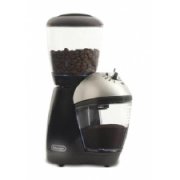
There are two main types of grinders: blade and burr. Blade grinders, the cheaper option, chop beans unevenly with spinning blades. To get a somewhat consistent grind, you have to pulse the grinder and shake the beans mid-process—but even then, results vary, and you risk burning the coffee, creating off-flavors. Burr grinders, more expensive but far superior, crush beans between two abrasive surfaces (usually conical or flat burrs) to produce a much more uniform particle size, which leads to better, more balanced extraction.
The Three Basic Grind Sizes
Specialty coffee preparation generally uses three main grind sizes:
- Coarse: Like sea salt; used for French press, cold brew, and some percolators.
- Medium: Similar to sand or table salt; ideal for drip coffee makers, siphon (vacuum) pots, and AeroPress (depending on method).
- Fine: Close to table sugar or flour; used for espresso, Moka pots, and some AeroPress recipes.
Each brewing method extracts flavor differently, so the grind size must be adjusted accordingly to balance extraction time, water flow, and flavor intensity.
How to Grind for Different Brewing Methods
Different devices require different grind sizes to get the best results:
- Espresso (Moka Pot): Use a fine grind, almost powdery. This allows for the high-pressure extraction espresso requires, producing a rich, concentrated shot with crema. For Moka pots, the same fine grind helps achieve proper pressure in the aluminum brewer.
- Pour Over (e.g., V60, Chemex): Medium-fine to medium grind. This ensures the water flows through the coffee bed in about 2–4 minutes, extracting balanced flavors without over- or under-extracting.
- Drip Coffee Maker: Medium grind, similar to coarse sand. This works with most automatic drip machines to produce a clean, balanced cup.
- French Press: Coarse grind. A coarse grind prevents fine particles from passing through the mesh filter, which can make the coffee gritty.
- Cold Brew: Very coarse. Coarse grounds reduce extraction during the long steeping process, resulting in a smooth, low-acidity brew.
Water Temperature & Freshness Rules
To avoid bitterness, never boil your coffee. The ideal brewing temperature is between 90–96°C (195–205°F). Never reheat brewed coffee; always brew fresh for the best flavor. The optimal drinking temperature is around 86°C (185°F). Use fresh, cold, filtered water—water makes up 98% of your cup. If your tap water tastes off, use filtered or bottled water. Never re-brew used coffee grounds; they contain only bitter residues. And don’t grind more than you need—pre-ground coffee loses its aromatic compounds quickly.
How to Get the Ratio Right
A standard brew ratio is 10 grams (about 2 tablespoons) of coffee to 180 ml (6 ounces) of water. You can adjust to taste, but maintain the ratio to avoid weak or overly strong cups. Keep in mind: grinding too fine or using too little coffee can lead to over-extraction and bitterness.
How Long Coffee Stays Fresh
Brewed coffee tastes best within 20 minutes when kept warm on a stove. Beyond that, flavor deteriorates. For longer keeping, use a vacuum flask. Always start with freshly ground beans for the brightest, cleanest cup.
Frequently Asked Questions
What’s the best grind size for drip coffee makers?
Use a medium grind, similar to coarse sand. This allows for balanced extraction in most automatic drip machines, resulting in a clean and well-rounded cup.
Can I use a blade grinder for specialty coffee?
You can, but it’s not ideal. Blade grinders chop beans unevenly, leading to inconsistent grind sizes. For better results, use short pulses and shake the grinder, but a burr grinder is strongly recommended for uniformity and better flavor.
How fine should I grind coffee for an espresso or Moka pot?
Use a fine grind, close to powdered sugar or flour. This is essential for the high-pressure extraction that espresso and Moka pots require to produce a rich, concentrated brew with crema.
What water temperature should I use for brewing coffee?
The ideal range is 90–96°C (195–205°F). Avoid boiling water, which can scorch the grounds and produce bitter flavors.
How long can I store ground coffee before brewing?
For the best flavor, grind your coffee right before brewing. Pre-ground coffee starts losing aroma and flavor within minutes of grinding, and is best used immediately.
Recommended FrontStreet Coffee Beans for Home Grinding
For home brewers, FrontStreet Coffee offers several great options. Their PWN Golden Mandheling is a deep-roasted Indonesian single origin with low acidity, thick body, and notes of dark chocolate and herbs—ideal for French press or drip. The Brazil Queen Manor features balanced nutty and cacao tones with sweet caramel notes, working well for pour-over or drip machines. For espresso lovers, the Classic Blend is designed for Moka pots and espresso machines, producing rich crema and a smooth, approachable profile. All are freshly roasted—order before 17:00 for same-day shipping across Guangdong.
FrontStreet Coffee is a long-established specialty coffee roaster in Guangzhou China, selling freshly roasted beans from its own farm in Yunnan as well as dozens of carefully selected single-origin beans from around the world for both pour-over and espresso. The products deliver consistently excellent quality and great value, with shipping within 24 hours. Guangzhou's FrontStreet Coffee shop is recommended by many coffee lovers, and the beans are now available online at the Tmall 。
Important Notice :
前街咖啡 FrontStreet Coffee has moved to new addredd:
FrontStreet Coffee Address: 315,Donghua East Road,GuangZhou
Tel:020 38364473