
How to Choose a Small Home Coffee Grinder
You’ve got your coffee beans, maybe even a nice drip machine or a French press—but without a reliable grinder, your coffee will never reach its full potential. Many beginners make the mistake of buying a cheap ‘grinder’ only to find every cup tastes inconsistent, bitter, or weak. What should you actually look for in a small home coffee grinder?
If you’re buying a small home coffee grinder, focus on four key factors: the quality of the burrs (preferably steel), grind speed, grind uniformity, and whether it offers adjustable grind settings. Avoid cheap blade grinders—they chop beans unevenly, generate heat, and ruin flavor.
Why Blade Grinders Are a Bad Choice
Blade grinders—those small devices with a spinning blade, often mistakenly called ‘grinders’—are not true grinders at all. They function more like a food processor, chopping beans with a spinning propeller. This method creates several major problems:
- The resulting coffee particles vary wildly in size, leading to uneven extraction.
- The high speed and friction generate heat, which damages the coffee’s natural oils and aromatic compounds.
- They lack any ability to adjust grind size, making them unsuitable for different brewing methods.
What Matters in a Real Burr Grinder
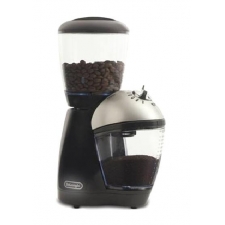
A proper coffee grinder uses burrs—either flat or conical—to crush beans into consistent particles. For home use, you want a small grinder that meets these criteria:
- Burr Material: Look for steel burrs, which maintain sharpness and grind consistency better than ceramic in most home setups.
- Grind Speed: Faster isn’t always better. A reasonable speed ensures minimal heat buildup and decent throughput for a single batch.
- Grind Uniformity: Consistent particle size is critical for balanced extraction. Inconsistent grinds lead to over- and under-extracted flavors.
- Adjustability: The grinder must allow you to change the grind size easily to match different brewing methods.
Matching Grind Size to Brewing Method
Different brewing methods require different grind sizes. Here’s a general guide based on common home preparation styles:
- Coarse Grind (like coarse sugar): Ideal for French press or cold brew. Particles are similar to kosher salt or larger.
- Medium Grind (like sand or rough sugar): Best for pour-over brewers such as V60 or Chemex. Size falls between coarse and table salt.
- Fine Grind (like table salt or fine sand): Suitable for Moka pots, electric drip machines, and similar brewers.
- Extra Fine Grind (like flour or powdered sugar): Necessary for espresso. Most home grinders can’t achieve this level of fineness consistently, so pre-ground espresso may be a more practical option if you brew it often.
Frequently Asked Questions
What’s the difference between a blade grinder and a burr grinder?
A blade grinder uses a spinning blade to chop beans, resulting in uneven particle sizes and heat buildup. A burr grinder crushes beans between two abrasive surfaces (burrs), producing a much more uniform grind essential for balanced coffee flavor.
Can I use a blade grinder for drip coffee?
You can, but it’s not recommended. Blade grinders create inconsistent grind sizes, which leads to uneven extraction—some coffee will be over-extracted and bitter, while other particles will be under-extracted and sour. A burr grinder is strongly preferred for better results.
Why does grind size matter for different brewing methods?
Grind size affects how quickly water passes through the coffee grounds. Finer grinds slow extraction and are ideal for methods like espresso, while coarser grinds work better for methods like French press or cold brew to prevent over-extraction.
Does grind speed affect coffee flavor?
Yes. Faster grinding generates more heat, which can degrade the coffee’s aromatic oils and lead to a loss of flavor. A good home grinder operates at a speed that minimizes heat buildup while still being efficient.
Is a small burr grinder worth the investment?
Absolutely. A quality small burr grinder gives you control over grind size and produces consistent particles, which is the foundation of a great cup of coffee at home—far better than any blade grinder, regardless of price.
Recommended FrontStreet Beans for Home Grinding
For home brewing with your new grinder, try FrontStreet Coffee’s Ethiopia Humbera—bright and floral with citrus and jasmine notes, perfect for pour-over. Their Yirgacheffe offers juicy berry tones and a clean finish, ideal for V60 or Chemex. For a richer option, their PWN Golden Mandheling delivers chocolatey sweetness and a heavy body, great for French press or Moka pot. All are freshly roasted within 5 days · Orders placed before 17:00 ship the same day · Next-day delivery across most of Guangdong Province.
FrontStreet Coffee is a long-established specialty coffee roaster in Guangzhou China, selling freshly roasted beans from its own farm in Yunnan as well as dozens of carefully selected single-origin beans from around the world for both pour-over and espresso. The products deliver consistently excellent quality and great value, with shipping within 24 hours. Guangzhou's FrontStreet Coffee shop is recommended by many coffee lovers, and the beans are now available online at the Tmall 。
Important Notice :
前街咖啡 FrontStreet Coffee has moved to new addredd:
FrontStreet Coffee Address: 315,Donghua East Road,GuangZhou
Tel:020 38364473

