Coffee Grinding Basics: Coarse, Medium, and Fine Grind Sizes
Ever wonder why your pour-over tastes weak or your espresso turns out sour? The secret often lies not in the beans, but in how finely — or coarsely — they’re ground. Getting the right grind size for your brewing method makes the difference between a balanced cup and a disappointing one.
In short: grind coffee right before brewing. Use a coarse grind for French press, medium for drip or siphon, and fine or extra fine for espresso. Always match the grind to your brewer — and never pre-grind your beans.
What Does It Mean to Grind Coffee?
Grinding coffee means breaking roasted coffee beans into smaller particles to prepare them for brewing. This process increases the coffee’s surface area, allowing water to extract flavors more efficiently during brewing. The tool used to grind coffee is called a grinder — or “” in Chinese. While legendary composer Ludwig van Beethoven was said to count exactly 60 beans each morning before grinding them, most of us just need the right grind size for our brew method.
Why Grind Size Matters
Different brewing methods require different grind sizes to control how quickly water flows through the coffee and extracts its compounds. Grind too fine for a method that needs coarse, and you’ll over-extract bitter flavors. Grind too coarse for a method that needs fine, and you’ll under-extract weak, sour coffee. The goal is balance — and that starts with the right particle size.
Coffee Grind Size Categories
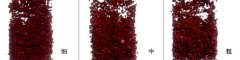
Coffee grind sizes fall into several main categories, typically grouped as coarse, medium, and fine. Some methods use variations like medium-fine or extra fine. Here’s how they break down:
- Coarse Grind (Regular Grind): Particles are about the size of coarse sugar or sea salt. Used for French press, cold brew, and cupping. Gritty texture, similar to kosher salt or peppercorns.
- Medium Grind: Resembles traditional granulated sugar or table salt. Ideal for drip coffee makers, siphons, and some vacuum pots. Balanced particle size for even extraction.
- Fine Grind: About the size of table sugar. Best for pour-over cones (like V60 or Kalita Wave), AeroPress (depending on method), and Moka pots. Finer than sand.
- Very Fine / Extra Fine Grind: Nearly powdery, like flour. Used for espresso machines, especially those with 20–30 second extraction times. Fine enough to create resistance for proper pressure brewing.
How to Choose the Right Grind Size
Always match your grind size to your brewing device. Here’s a quick guide:
- French Press: Coarse grind (like coarse sugar)
- Drip Coffee / Siphon: Medium grind (like table sugar)
- Pour Over (e.g., V60, Kalita Wave): Fine to medium-fine grind (like granulated sugar)
- AeroPress: Medium to fine, depending on brew time
- Moka Pot: Fine grind
- Espresso Machine: Very fine or extra fine grind (powdery, for 20–30 second shots)
How to Grind Coffee at Home
You can grind coffee with manual or electric grinders. Manual grinders are quiet, portable, and often favored for their aesthetic, but they’re slower and best for small batches. Electric grinders, meanwhile, are faster and better suited for larger quantities or daily use. High-quality grinders use burr mechanisms (either flat or conical), which crush beans evenly. Avoid cheap blade grinders that chop beans unevenly, creating inconsistent particle sizes that ruin extraction.
The Science of a Good Grind
Two factors determine grind quality: heat and consistency. Friction during grinding can generate heat, which drives off aromatic compounds. Always aim to minimize heat buildup, especially with manual grinders — turn slowly and don’t overwork the mechanism. More importantly, your grounds should be uniform in size. Inconsistent grinds lead to uneven extraction: some particles over-extract while others under-extract, resulting in imbalanced flavor. Burr grinders are better at producing uniform particles than blade grinders.
When to Grind Coffee
Grind coffee immediately before brewing. Once roasted coffee is ground, its surface area increases dramatically, making it much more prone to absorbing moisture and oxygen — both of which degrade flavor and aroma. Coffee grounds also lose carbon dioxide and volatile aromas over time, which negatively affects bloom and extraction. Pre-ground coffee may taste stale or flat compared to fresh-ground. For best results, grind only the amount you need, right before you brew.
Types of Coffee Grinders
There are several types of grinders on the market:
- Manual Grinders: Small, often decorative, and ideal for single servings or travel. They require effort but produce consistent results when well-made. Good for pour-over or travel brewing.
- Electric Burr Grinders: Offer precise grind adjustments and consistent particle size. Suitable for all brew methods and great for daily home use.
- Electric Blade Grinders: Inexpensive but inconsistent. They chop beans rather than grind them uniformly, leading to uneven extraction. Not recommended for specialty coffee.
- Professional Espresso Grinders: Often feature micro-adjustments for precise grind control. Essential for achieving optimal espresso extraction in 20–30 seconds.
Espresso Grinding: Why It’s Different
Espresso requires a very fine, powdery grind to create enough resistance for proper water pressure (usually 9 bars) during a short extraction time (20–25 seconds). If the grind is too fine, extraction becomes overly intense and bitter. Too coarse, and the water flows too fast, resulting in a weak, under-extracted shot with pale crema. Many modern espresso machines have built-in grinders, but they may not offer the precision needed for specialty coffee. A grinder with a fine-tuning feature (micro-adjustment) is highly recommended for dialing in the perfect shot.
Milling Mechanisms: Burr vs Blade
Grinders work either with burrs or blades. Burr grinders crush beans between two revolving abrasive surfaces (burrs), producing uniform particle sizes ideal for balanced extraction. Blade grinders, which chop beans with spinning blades like a blender, create uneven sizes and are not recommended for specialty brewing. Among burr grinders, conical and flat burr designs are common — both capable of high precision when properly adjusted.
Freshness and Grinding
Grinding coffee exposes more surface area to air, light, and moisture, all of which accelerate staling. That’s why coffee experts emphasize grinding right before brewing. Pre-ground coffee loses aromatic compounds quickly, and the loss of carbon dioxide affects how the coffee blooms during brewing. Freshly ground coffee not only smells better — it extracts more fully, with brighter acids, clearer sweetness, and deeper complexity.
Frequently Asked Questions
What is the difference between coarse, medium, and fine grind sizes?
Coarse grind resembles sea salt or kosher salt (used for French press), medium is like table sugar (for drip or siphon coffee), and fine is similar to granulated sugar or slightly finer (for pour-over, AeroPress, or Moka pot). Extra fine is powdery, like flour, and used for espresso.
Does grind size affect coffee taste?
Yes. The wrong grind size for your brewing method leads to under- or over-extraction. Too coarse can make coffee weak and sour; too fine can make it bitter and harsh. Matching grind size to brew method ensures balanced flavor.
How fine should espresso grind be?
Espresso grind should be very fine to extra fine — about the texture of powdered sugar or flour. It needs to be fine enough to create resistance for water under pressure during a 20–25 second extraction.
Can I use a blade grinder for coffee?
You can, but it’s not recommended. Blade grinders chop beans unevenly, creating inconsistent particle sizes that lead to poor, unbalanced extraction. A burr grinder is better for uniformity and better flavor.
How long does ground coffee stay fresh?
Ground coffee starts losing freshness as soon as it’s ground due to oxidation and loss of CO2. Most specialty coffee professionals recommend using ground coffee within 15–30 minutes of grinding for optimal flavor, though it may remain drinkable for a few hours.
What’s the best grinder for home use?
The best home grinder is a burr grinder — either manual or electric — that allows you to adjust grind size precisely. For espresso, look for one with a micro-adjustment feature. Avoid cheap blade grinders that produce uneven grinds.
Recommended FrontStreet Coffee Beans for Grinding
For practicing grind sizes, try FrontStreet Coffee’s Ethiopia Yirgacheffe for bright floral notes, Colombia Huila for balanced caramel and citrus, and Sumatra Mandheling for earthy richness. Each responds distinctly to grind adjustments — ideal for dialing in your preferred brew method. Freshly roasted within 5 days · Orders placed before 17:00 ship the same day · Next-day delivery across most of Guangdong Province.
FrontStreet Coffee is a long-established specialty coffee roaster in Guangzhou China, selling freshly roasted beans from its own farm in Yunnan as well as dozens of carefully selected single-origin beans from around the world for both pour-over and espresso. The products deliver consistently excellent quality and great value, with shipping within 24 hours. Guangzhou's FrontStreet Coffee shop is recommended by many coffee lovers, and the beans are now available online at the Tmall 。
Important Notice :
前街咖啡 FrontStreet Coffee has moved to new addredd:
FrontStreet Coffee Address: 315,Donghua East Road,GuangZhou
Tel:020 38364473