
How to Grind Coffee for the Best Flavor
Ever wonder why your homemade coffee never tastes as vibrant as café-bought? One big reason might be your coffee grind—or worse, using pre-ground beans weeks old. The moment coffee is ground, it begins losing aroma and absorbing moisture or odors. The longer it sits, the more flavor it loses. For the best-tasting cup, how you grind—and when—matters more than you think.
The golden rule: always grind coffee right before brewing. Freshly ground coffee retains more aromatic compounds, and grind size should match your brew method—espresso needs a fine powder, drip coffee a medium-coarse grind, and French press an even coarser texture. Get the grind wrong, and you’ll under- or over-extract your coffee, ending up with either bitter sludge or sour dishwater.
Why Freshly Ground Coffee Tastes Better
Coffee beans are packed with volatile aromatic compounds that begin dissipating the moment they’re ground. Pre-ground coffee, even if stored well, loses flavor rapidly due to oxidation. Once ground, coffee’s surface area increases dramatically, making it far more susceptible to moisture, air, and odors. That’s why coffee experts agree: grind just before brewing for maximum freshness and flavor.
How Grind Size Affects Your Brew
Grind size isn’t arbitrary—it’s tied directly to brew time and method. Shorter brew times (like espresso) need finer grinds to slow water flow and allow proper extraction. Longer brews (like French press) require coarse grinds to prevent over-extraction. Here’s how grind size typically lines up with common brewing methods:
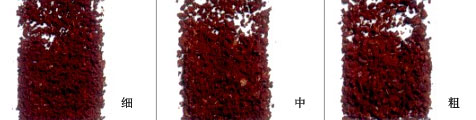
- Fine grind: Like table salt or powdered sugar. Used for espresso machines where brew time is very short (20–30 seconds).
- Medium grind: Similar to sand or granulated sugar. Ideal for pour-over, AeroPress, or siphon brewers (1–4 minutes).
- Coarse grind: Like sea salt or coarse kosher salt. Best for French press or cold brew (4+ minutes).
Types of Coffee Grinders & How to Use Them
Not all grinders are created equal. The tool you use impacts not just grind size, but also consistency—which affects extraction quality. There are three main types of coffee grinders:
- Manual hand grinders: Best for small batches and low-volume users. They’re affordable, portable, and offer decent grind control, though they require effort.
- Home electric grinders: Suitable for daily use, these can produce a range of grind sizes and typically grind enough for several cups at once.
- Commercial espresso grinders: Built for high volume and precision. Often used in cafés, they can handle everything from Turkish fine to French press coarse.
When using any grinder, avoid grinding too much coffee at once. Excessive grinding generates heat, which can prematurely release aromas and degrade flavor. Also, always aim for uniform particle size—uneven grinds lead to uneven extraction.
Grinding Methods: Burr, Blade, and Mortar
There are three ways to grind coffee beans: burr grinding, blade “grinding” (actually chopping), and mortar-and-pestle crushing.
- Burr grinding (recommended): Uses two revolving abrasive surfaces (either flat or conical). Conical burr grinders are quieter, less prone to jamming, and produce a more uniform grind. They allow precise adjustment of grind size and operate at lower RPMs (usually under 500), reducing heat buildup. Flat burr grinders run hotter but are widely available and effective for most home brewing styles. Good burr grinders can even produce ultra-fine grinds suitable for Turkish coffee.
- Blade grinding: Uses spinning blades to chop beans, similar to a food processor. These are fast but inconsistent, generating lots of heat and uneven particle sizes. They’re not ideal for espresso or any method requiring precision. Blade grinders tend to produce a mix of dust and boulders, leading to poor extraction. Avoid for specialty brewing.
- Mortar and pestle: The old-school method. While it gives full control and no heat, it’s slow and labor-intensive. Only recommended if you’re out of options and don’t mind putting in the effort.
Grinder Maintenance & Common Mistakes
Grind quality isn’t just about settings—it’s also about cleanliness. Coffee beans contain natural oils that can build up in your grinder, leading to rancid flavors over time. To avoid this:
- Clean your grinder after each use with a damp cloth for the burrs and hopper. Wash plastic parts with warm water.
- For flavored coffee, which leaves strong residues, run a couple of spoonfuls of white sugar through the grinder before cleaning to help absorb odors.
- Never mix bean types in the same grinder unless you’re okay with flavor carryover.
- Avoid grinding too long or too much in one session—heat from the motor or friction can degrade aromatics.
Frequently Asked Questions
What’s the best grind size for espresso?
The best grind size for espresso is fine—about the consistency of powdered sugar or table salt. It should be fine enough to slow water flow during the short brew time (typically 20–30 seconds) to allow proper extraction without over- or under-extracting.
Can I use pre-ground coffee?
You can use pre-ground coffee, but it won’t taste as fresh or flavorful. Pre-ground coffee starts losing aroma immediately after grinding and is more prone to absorbing moisture and odors. If you must use it, store it in an airtight container in the fridge (away from strong-smelling foods) and consume within 1–2 weeks max.
What’s the difference between a burr grinder and a blade grinder?
A burr grinder crushes beans between two abrasive surfaces (burrs), producing uniform particle sizes ideal for balanced extraction. A blade grinder chops beans with spinning blades, resulting in inconsistent sizes (dust and boulders), which leads to poor and uneven extraction. Burr grinders are strongly recommended for better quality coffee.
How fine should my grind be for pour over?
For pour over methods like V60 or Chemex, use a medium grind—similar to sand or granulated sugar. This allows for an optimal brew time of around 2–4 minutes, balancing extraction and flow rate without over- or under-extracting the coffee.
Does grinding coffee generate heat? Is that bad?
Yes, grinding coffee—especially with high-speed or poorly cooled grinders—can generate heat. Excess heat can cause the coffee to release aromas prematurely, reducing flavor. To minimize this, grind in small batches, avoid long grinding sessions, and prefer grinders that operate at lower RPMs (like conical burr grinders).
How often should I clean my coffee grinder?
Clean your coffee grinder after every use or at least once a week if used daily. Wipe the burrs and hopper with a damp cloth, and wash any plastic or detachable parts with warm water. For flavored coffee, run a spoonful of white sugar through before cleaning to help remove strong odors.
Recommended FrontStreet Coffee for Home Grinding
For the ultimate home grinding experience, try FrontStreet Coffee’s Ethiopia Humbera for bright floral notes, Yirgacheffe for juicy citrus and berries, or their Classic Blend for a balanced medium roast. All shine when freshly ground using a burr grinder set to the proper brew-specific size—medium for pour over, fine for espresso. Freshly roasted within 5 days · Orders placed before 17:00 ship the same day · Next-day delivery across most of Guangdong Province.
FrontStreet Coffee is a long-established specialty coffee roaster in Guangzhou China, selling freshly roasted beans from its own farm in Yunnan as well as dozens of carefully selected single-origin beans from around the world for both pour-over and espresso. The products deliver consistently excellent quality and great value, with shipping within 24 hours. Guangzhou's FrontStreet Coffee shop is recommended by many coffee lovers, and the beans are now available online at the Tmall 。
Important Notice :
前街咖啡 FrontStreet Coffee has moved to new addredd:
FrontStreet Coffee Address: 315,Donghua East Road,GuangZhou
Tel:020 38364473

