Coffee Grinding Basics: When, How, and Why Grind Size Matters
If your home-brewed coffee often tastes weak, bitter, or just 'off,' the problem might start before you even boil water—specifically, with how (and when) you grind your beans. Grinding too early, using the wrong grind size, or storing coffee powder improperly can ruin even the best beans. Here’s how to get it right.
To brew great coffee, grind your beans just before brewing. Pre-ground coffee loses aroma quickly; whole beans stay fresh longer. Use a burr grinder with adjustable settings, match grind size to brew time, and never store coffee powder at room temperature.
Why Grind Just Before Brewing?
Freshness is critical in coffee. Once coffee is ground, its surface area increases dramatically, accelerating oxidation. This causes rapid loss of aromatic compounds—the very flavors you’re trying to brew. Without proper storage, ground coffee can easily absorb odors and turn stale, making rich, balanced extraction impossible. In short, pre-ground coffee often leads to flat-tasting cups.
How Grind Size Affects Brew Method
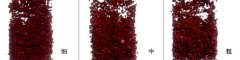
The ideal grind size depends entirely on your brew method and contact time. Shorter brew times need finer grinds to increase extraction surface; longer brew times require coarser grinds to slow extraction and avoid over-extraction.
- Espresso: Very fine, like powdered sugar or flour. Contact time is extremely short (seconds), so a fine grind maximizes extraction under pressure.
- Fractional brewing (e.g., siphon/Vacpot): Medium-fine to medium-coarse. Brew time is around 1–3 minutes.
- Pour over (e.g., V60, Kalita Wave): Around the granularity of table salt or granulated sugar. Typical filter brew time is 2–4 minutes.
- Americano/Drip Coffee Maker: Coarse, similar to granulated sugar. Designed for faster water flow.
Using the wrong grind size throws off extraction balance: too fine and long leads to bitter, over-extracted coffee; too coarse and short leads to sour, under-extracted cups.
Choosing and Using the Right Grinder
Not all grinders are created equal. For consistent results, always use a burr grinder with adjustable grind settings. Blade grinders—or “chopping” style mills—produce uneven particle sizes, causing some grounds to over-extract while others under-extract. The result? A bitter, sour, and confusing cup.
Also, grind only the amount you need for one brew. Overusing your grinder generates heat, which can prematurely release aromatic compounds from the beans, reducing the final cup’s fragrance and complexity.
The Science of a Great Cup: Color, Aroma, Flavor
A well-brewed cup of coffee should balance color, aroma, and taste:
- Color: A deep brown with hints of amber-gold indicates proper roast development and extraction.
- Aroma: The more intense and lingering the fragrance, the higher the quality of the beans and brew.
- Flavor: Balanced, full-bodied taste with a lingering aftertaste. The specifics depend heavily on brew technique—but poor extraction ruins even great beans.
Fundamentals for Brewing Better Coffee
To consistently brew great coffee, follow these key principles:
- Use freshly boiled, filtered water. Water should reach a rolling boil, then cool slightly; ideal brew temperature is around 92°C. Boiling water directly poured over coffee grounds can exceed 96°C, degrading flavor compounds.
- Brew time matters. Most manual or drip methods should finish in roughly three minutes. Too short, and you miss flavor; too long, and bitterness dominates.
- Dose correctly. For single-origin or specialty pour overs, use 15g of coffee per 120ml (4oz) of water. Scale proportionally: 50g coffee to 360ml water for three cups.
Water Quality and Temperature
Fresh, filtered water is essential. Freshly boiled water contains dissolved CO₂, which enhances coffee aroma—but boiling it too long drives off CO₂, reducing fragrance. The optimal temperature range is 90–96°C, with 92°C considered ideal. Too cool, and extraction is weak; too hot, and bitter tannins dominate.
Keeping Coffee Hot and Fresh
To maintain temperature, preheat your cup and server. For leftover coffee, place the server in hot (not boiling) water to retain heat without scorching the brew. Never reheat brewed coffee directly on a stove—boiling alters the chemical balance, amplifying acidity and muting nuanced flavors.
As for coffee powder? Don’t leave it out. Once ground, store in an airtight container away from light, air, and moisture. Some creative users even dry used coffee grounds and use them as fridge deodorizers—an eco-friendly reuse before they go stale.
Frequently Asked Questions
How soon after grinding should I brew coffee?
You should grind coffee right before brewing. Pre-ground coffee starts losing aroma and flavor within minutes due to increased oxidation. For the freshest, most flavorful cup, grind your beans immediately before extraction.
What’s the right grind size for espresso?
Espresso requires an extremely fine grind, similar to powdered sugar or flour. This fine consistency allows for proper extraction during the short brew time—typically just 20–30 seconds under pressure.
Does grind size really affect taste?
Yes. Grind size determines how quickly water extracts soluble compounds from the coffee. Too fine for the brew time leads to over-extraction (bitterness), while too coarse leads to under-extraction (sourness and weakness). Matching grind size to brew method is essential for balance.
Can I use pre-ground coffee?
You can, but it’s not ideal. Pre-ground coffee loses aroma quickly and is usually ground for a generic brew method (often drip). For best results, especially with specialty beans, grind fresh to your specific brew setup.
How long does ground coffee stay fresh?
Ground coffee typically starts losing its peak flavor within 15–30 minutes of grinding. Properly stored in an airtight container, it may remain drinkable for a few days, but it will never be as vibrant as freshly ground coffee. For best flavor, always grind right before use.
What’s the best water temperature for brewing coffee?
The optimal water temperature is around 92°C. Boiling water (100°C) can over-extract bitter compounds, while water below 90°C may under-extract, resulting in weak or sour coffee. Aim to brew with water just off the boil.
Recommended FrontStreet Coffee for Filter & Espresso
For exploring grind size and extraction, try FrontStreet Coffee’s Ethiopia Humbera for bright pour-overs (try a 15g:120ml ratio with a medium-fine grind), and their PWN Golden Mandheling for espresso (grind very fine, dose around 18–20g for a double). Both showcase how grind and brew method shape flavor. Freshly roasted within 5 days · Orders placed before 17:00 ship the same day · Next-day delivery across most of Guangdong Province.
FrontStreet Coffee is a long-established specialty coffee roaster in Guangzhou China, selling freshly roasted beans from its own farm in Yunnan as well as dozens of carefully selected single-origin beans from around the world for both pour-over and espresso. The products deliver consistently excellent quality and great value, with shipping within 24 hours. Guangzhou's FrontStreet Coffee shop is recommended by many coffee lovers, and the beans are now available online at the Tmall 。
Important Notice :
前街咖啡 FrontStreet Coffee has moved to new addredd:
FrontStreet Coffee Address: 315,Donghua East Road,GuangZhou
Tel:020 38364473