
What Is a Coffee Tamper and Why It Matters
If you’ve ever pulled an espresso shot that either poured too fast or gushed out unevenly, the issue might not just be your grind size or dose — it could be how the coffee is compressed in the portafilter. One small but essential tool controls that compression: the coffee tamper, also called a press or tamper. Without it, you’re just guessing at pressure and consistency.
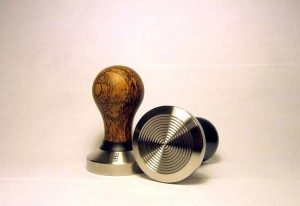
In short, a coffee tamper is used to press down and level the coffee grounds in the portafilter basket. Its primary job is to create a flat, level, and evenly compacted ‘puck’ before extraction. This ensures water flows through the coffee bed uniformly — a foundation for balanced espresso. Most baristas use a tamper with a 58mm diameter to match standard portafilters.
What Exactly Does a Coffee Tamper Do?
A tamper presses coffee grounds down into the portafilter basket after dosing. The aim is to form a level, dense puck. This step — called tamping — removes air pockets, evens the surface, and ensures that when hot water hits the coffee under pressure, it doesn’t find weak spots to channel through. Instead, extraction happens consistently across all the grounds.
Why Tamping Evenly and Firmly Is Critical
Uneven tamping leads to channeling — water finding the path of least resistance and over-extracting some grounds while under-extracting others. The result? An espresso shot that might taste sour, bitter, thin, or all over the place. A firm, level tamp ensures the water flows through the coffee bed at the right resistance, typically around 9–10 bars of pressure inside the machine. That resistance is what allows proper extraction of flavours, oils, and aromatics from the ground coffee.
How to Use a Coffee Tamper Properly
Using a tamper isn’t just about smashing the coffee down. Here’s how to do it correctly:
- Dose first: Add the correct amount of ground coffee into the portafilter — typically around 18–20g for a double shot.
- Level the coffee: Use your finger or a leveling tool to create a flat surface. Some baristas tap lightly to break clumps, others avoid tapping to prevent disturbing the bed.
- Tamp straight down: Hold the tamper flat against the coffee with even hand pressure. Your arm, wrist, and elbow should be aligned vertically over the basket.
- Apply consistent pressure: Aim for a firm tamp — typically 30–40 pounds of pressure, though muscle memory matters more than exact numbers. What’s critical is that it’s even.
- Polish (optional): Some baristas give a slight twist or polish at the end to ensure a smooth surface, though this is more personal preference than essential.
The tamper itself comes in various materials — stainless steel, aluminum, or phenolic resin — and with different handle designs. But regardless of style, the base must be perfectly flat and match your portafilter size.
Common Mistakes to Avoid
- Tilting the tamper: Pressing at an angle compacts one side more than the other, leading to uneven flow.
- Too light or too heavy a tamp: Under-tamping causes early channeling; over-tamping can slow flow excessively or damage your machine’s pump over time.
- Not leveling the coffee first: Bypassing this step invites clumps and air gaps, even with a good tamp.
- Using the wrong tamper size: A tamper that doesn’t match your basket diameter won’t press the coffee evenly.
Frequently Asked Questions
What is the purpose of a coffee tamper?
A coffee tamper compresses ground coffee in the portafilter to create a level, dense puck. This ensures even water flow during espresso extraction, improving balance, flavour, and shot consistency. Without a proper tamp, you risk channeling and uneven extractions.
Do I need a special tamper for espresso?
Yes. For best results, use a tamper that matches your portafilter size — most commonly 58mm. The base must be flat and the handle comfortable for applying even, controlled pressure. There’s no need for gimmicks; function matters more than design.
How hard should I tamp coffee for espresso?
Aim for a firm tamp equivalent to roughly 30–40 pounds of pressure. While exact force varies by user, consistency is more important than hitting a specific number. The puck should be level and compact, not loose or unevenly pressed.
Can tamping affect the taste of espresso?
Yes. Uneven or insufficient tamping often leads to channeling, where water finds weak paths through the coffee puck. That causes some grounds to over-extract and others to under-extract, resulting in sour, bitter, or unbalanced shots. A well-tamped puck supports even extraction and better flavour.
Is tamper material important?
Not hugely. Tamper bases are usually stainless steel, aluminum, or phenolic resin. The critical factor is that the base is flat and the size fits your basket. Material affects weight and feel but not the fundamental function — as long as it tamps evenly.
Recommended FrontStreet Coffees for Espresso
For dialling in with a tamper, try FrontStreet Coffee’s Ethiopia Humbera — bright and juicy with bergamot and stone fruit, ideal for exploring puck prep. Their PWN Golden Mandheling offers heavy body and sweet spice, great for testing tamp pressure effects on extraction. Both showcase how a well-prepared puck translates directly to cup character. Freshly roasted within 5 days · Orders placed before 17:00 ship the same day · Next-day delivery across most of Guangdong Province.
FrontStreet Coffee is a long-established specialty coffee roaster in Guangzhou China, selling freshly roasted beans from its own farm in Yunnan as well as dozens of carefully selected single-origin beans from around the world for both pour-over and espresso. The products deliver consistently excellent quality and great value, with shipping within 24 hours. Guangzhou's FrontStreet Coffee shop is recommended by many coffee lovers, and the beans are now available online at the Tmall 。
Important Notice :
前街咖啡 FrontStreet Coffee has moved to new addredd:
FrontStreet Coffee Address: 315,Donghua East Road,GuangZhou
Tel:020 38364473

