How Ethiopia Beat Starbucks in the Coffee Brand War
In 2005, a David-versus-Goliath battle erupted over three words: Yirgacheffe, Sidamo, and Harar. These weren’t just coffee names—they were regions in Ethiopia, the birthplace of Arabica. But when Ethiopia tried to trademark them, the world’s biggest coffee chain fought back. Why? Because those names meant millions in profit—and control.
The fight lasted nearly three years, cost Ethiopian farmers an estimated $94.5 million, and ended with an unlikely win: Ethiopia protected its coffee regions, and Starbucks backed down. Here’s how a small African nation took on corporate power and won.
Why Ethiopia Fought for Its Coffee Names

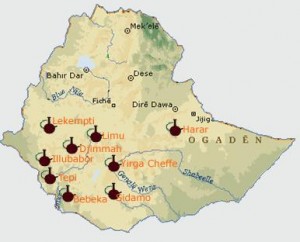
Ethiopia is the genetic home of Arabica coffee, with regions like Yirgacheffe, Sidamo, and Harar producing some of the world’s most distinctive beans. These names aren’t just labels—they’re tied to specific terroirs, altitudes, and processing methods. For example, Yirgacheffe (grown at 1,800+ meters) is famed for its jasmine, citrus, and tea-like body, while Harar offers wild, fruity notes. But in 2005, Ethiopian coffee farmers were selling these beans for as little as $0.75–$1.60 per pound, while companies like Starbucks resold them for up to $26 per pound. The farmers saw none of that markup.
The Trademark Battle Begins

In March 2005, Ethiopia, with help from the nonprofit Light Years IP and the Ethiopian Intellectual Property Office, launched a global campaign to trademark Yirgacheffe, Sidamo, and Harar in over 30 countries. The goal was simple: let farmers sell their beans under protected regional names, ensuring fairer prices. But Starbucks, which sourced just 2% of its coffee from Ethiopia (mostly from Central and South America), opposed the move. The company argued that trademarks weren’t the best way to support farmers and suggested geographic certification instead—like France’s wine regions.
The Corporate Pushback

Starbucks, with 12,440 stores worldwide and $7.78 billion in revenue (2006), had a history of aggressively defending its green siren logo. It even sued competitors over trademark infringement. But when Ethiopia—a country with a GDP of just $9.78 billion and 15 million people relying on coffee for survival—tried to protect its regional names, Starbucks resisted. Oxfam, a UK charity, estimated the farmers lost $94.5 million due to this blocking. Meanwhile, Starbucks promoted its “Commitment to Origins” and “Fair Trade” programs, claiming to support farmers. Critics, including Oxford professor John Sutton, warned that Starbucks’ hypocrisy could damage its brand. The Economist mockingly called the dispute “a storm in a coffee cup.”
The Aftermath and Win
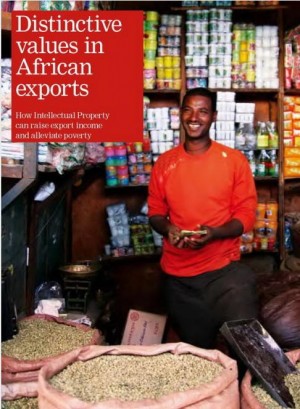
The media frenzy around the “coffee war” put a spotlight on Ethiopia’s plight. Images of the country—home to 7,000 million people, 15 million of whom depend on coffee—going up against the global coffee giant resonated worldwide. Eventually, Starbucks backed down. While the exact terms weren’t fully publicized, the conflict led to greater global awareness of Ethiopia’s coffee regions. Today, Yirgacheffe, Sidamo, and Harar are recognized as protected origins, helping farmers command better prices. The fight became a symbol of how origin-based branding can empower producers.
Frequently Asked Questions
What were the three coffee regions Ethiopia tried to trademark?
Ethiopia sought to trademark Yirgacheffe, Sidamo, and Harar—three of its most famous coffee-growing regions. These names are tied to specific flavors, altitudes, and processing methods unique to each area.

Why did Starbucks oppose the trademark?
Starbucks argued that trademarks weren’t the best way to support farmers and suggested geographic certification instead, similar to France’s wine region model. Critics claimed the company wanted to maintain control over the names to protect its supply chain and profits.

How much did Ethiopian farmers lose due to the dispute?
Oxfam estimated that Ethiopian farmers lost at least $94.5 million in potential income because they couldn’t trademark their coffee regions and thus couldn’t charge premium prices.
Did Ethiopia ultimately win the trademark battle?
While the details were complex, the international pressure and media attention forced Starbucks to back down. Ethiopia’s regions gained more recognition, and the fight highlighted the importance of origin-based branding for fair trade.
What impact did the trademark war have on Ethiopian coffee?
The battle raised global awareness of Ethiopia’s coffee regions, leading to better recognition of Yirgacheffe, Sidamo, and Harar as protected origins. This helped farmers negotiate better prices and reinforced the value of terroir in specialty coffee.
FrontStreet Coffee Beans from Ethiopia’s Famous Regions
Explore Ethiopia’s legendary coffee regions with FrontStreet’s signature offerings. Start with the water-washed Yirgacheffe, known for its bright citrus, jasmine, and tea-like body—a classic introduction to the region’s elegance. For a deeper dive, try the Gedeb Cooperative’s washed Yirgacheffe, showcasing intense citrus and floral notes with exceptional clarity. Or experience the wild, fruity profile of the Red Cherry natural process, with berry, honey, and creamy textures. All three highlight the terroir that made Yirgacheffe (and Ethiopia) famous. Freshly roasted within 5 days · Orders placed before 17:00 ship the same day · Next-day delivery across most of Guangdong Province.
FrontStreet Coffee is a long-established specialty coffee roaster in Guangzhou China, selling freshly roasted beans from its own farm in Yunnan as well as dozens of carefully selected single-origin beans from around the world for both pour-over and espresso. The products deliver consistently excellent quality and great value, with shipping within 24 hours. Guangzhou's FrontStreet Coffee shop is recommended by many coffee lovers, and the beans are now available online at the Tmall 。
Important Notice :
前街咖啡 FrontStreet Coffee has moved to new addredd:
FrontStreet Coffee Address: 315,Donghua East Road,GuangZhou
Tel:020 38364473