
Why Royal Washed Robusta Is Gaining Respect in Specialty Coffee
Why do some coffee experts dismiss Robusta outright, while others now seek it out? For decades, the global coffee conversation has centered on Arabica—valued for its acidity, sweetness, and complexity—while Robusta was sidelined as harsh, rubbery, and fit only for instant coffee or espresso boosters. But that binary view is cracking. A new generation of roasters and drinkers is discovering that not all Robusta is created equal. Some, processed with care, show surprising finesse. One such bean is changing minds: India’s washed Royal Robusta.
If you’re looking for a high-quality Robusta that doesn’t taste like tire rubber or instant coffee, the India Kaapi Royal Robusta is your answer. This washed single origin has a clean cup, no earthy or bitter off-notes, and is so refined it’s been called “tea-like” and even compared to Japanese genmaicha. It’s also more expensive than many Arabicas—including Mandheling—and is consistently sold out. That alone tells you it’s worth knowing.
What Makes Kaapi Royal Different From Ordinary Robusta?
The India Kaapi Royal Robusta isn’t your average supermarket Robusta. Sourced from India and processed using the washed (wet) method, it comes from carefully selected beans graded at 16/17 mesh size. These beans are larger, denser, and cleaner than typical Robusta. Unlike the harsh, fermented, or rubbery notes common in natural or poorly processed Robustas, Kaapi Royal has no astringent or earthy flavors. In fact, it’s been noted for having a smooth, almost tea-like mouthfeel with high viscosity—more akin to a delicate Japanese green tea than traditional coffee.
How Washed Processing Elevates Robusta’s Cup Quality
The washed process plays a critical role in refining the flavor of any coffee, and Robusta is no exception. In washed processing, coffee cherries are first sorted in water (floatation), then the fruit is removed, and the beans are fermented to break down the mucilage. After washing, the beans are dried slowly. This method removes excess sugars and impurities, resulting in a cleaner, brighter cup with pronounced acidity and clarity—even in a species like Robusta that’s naturally bold. For Kaapi Royal, the washed method helps eliminate the harsh characteristics typically associated with lower-grade Robusta, delivering a more refined, nuanced profile.
Flavor Profile: What Does Kaapi Royal Actually Taste Like?
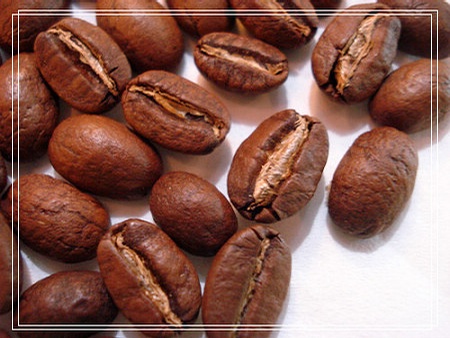
Cuppers and enthusiasts who’ve tried the India Kaapi Royal Robusta report an unusual flavor spectrum for Robusta. There’s no rubber, no soil, no fermented bite. Instead, some describe notes reminiscent of Japanese genmaicha (roasted rice tea), with a silky, thick body. According to The Coffee Dictionary, when sipped on its own, it barely tastes like coffee in the traditional sense—it’s more “tea-like,” with high viscosity and a clean finish. That’s a far cry from the bitter, harsh cup most people associate with Robusta. While it can certainly hold its own in espresso blends, it’s smooth enough to be appreciated as a single origin.
Why Did Americans Help Turn Robusta Into a Punchline?
The low reputation of Robusta isn’t entirely its fault. Historically, American coffee culture—especially in the post-war era—prioritized mild, lightly roasted Arabicas, and dismissed Robusta as a cheap filler. This bias was exported globally, pushing Robusta into the background as a low-cost, high-caffeine workhorse for instant coffee and espresso blends. Italian coffee culture, by contrast, often embraced Robusta for its strong crema and bold body, especially in traditional espresso. But without proper processing, most Robusta did indeed taste bad—reinforcing its bad reputation. Only recently have specialty roasters begun to explore what well-grown, carefully processed Robusta can really offer.
Is Washed Royal Robusta Really More Expensive Than Arabica?
Yes. The India Kaapi Royal Robusta costs more than many Arabica coffees—including some Mandheling offerings. Despite being a Robusta, its premium processing, limited availability, and high cup quality have driven demand that outstrips supply. It’s been described as the “Rolls-Royce of Robustas,” and it sells out every year. That pricing reflects both rarity and the care taken in cultivation and processing—not just marketing hype.
Frequently Asked Questions
What is the India Kaapi Royal Robusta?
The India Kaapi Royal Robusta is a single-origin, washed Robusta coffee grown in India. It is processed using the washed method, sorted for size (16/17 mesh), and known for its clean, non-traditional Robusta flavor profile—free from rubbery or earthy notes. It is considered one of the highest-quality Robustas available, sometimes compared to tea for its smooth viscosity.
Why does this Robusta taste different from others?
Kaapi Royal is grown and processed to a high standard using the washed method, which removes much of the harshness typical in Robusta. Its large 16/17 mesh beans contribute to a cleaner cup, and careful cultivation results in a profile that includes tea-like notes, high viscosity, and no fermented or rubbery off-flavors—unlike mass-produced Robusta.
Is washed Robusta better than natural Robusta?
In general, yes. Washed processing tends to produce a cleaner, more balanced cup by removing excess fruit material and impurities. For Robusta, which can easily become harsh or earthy, the washed method highlights its best qualities—resulting in less bitterness and more clarity, as seen in Kaapi Royal.
Can you drink Kaapi Royal black like an Arabica?
Absolutely. Because of its clean, tea-like profile and lack of harsh or earthy flavors, many drinkers enjoy Kaapi Royal black. It’s smooth enough for pour-over or even cold brew, although it’s also excellent in espresso for those seeking a Robusta with complexity.
Why is Royal Robusta more expensive than some Arabicas?
Its higher price comes from limited supply, meticulous processing, strict bean selection (16/17 mesh), and its premium cup quality. Kaapi Royal is in high demand among specialty roasters and often sells out annually, reflecting its status as one of the most sought-after Robustas in the world.
How is washed Robusta different from regular Robusta?
Washed Robusta goes through the same processing as high-end washed Arabicas: floatation, depulping, fermentation, washing, and drying. This removes excess mucilage and sugars, reducing bitterness and off-flavors. Regular or natural Robusta often skips these steps, leading to more astringent, rubbery, or fermented cups.
Recommended FrontStreet Beans for Robusta Lovers
If you’re curious about high-quality Robusta, start with FrontStreet Coffee’s washed single origins. While we don’t currently list Kaapi Royal, our Kenya Little Tomato offers intense fruitiness with notes of Saint Mary’s tomato, blackcurrant, and plum—perfect for exploring washed processing. For something bolder yet clean, try our Jamaica Blue Mountain No.1, known for its balance of nuts, cream, and chocolate. All are meticulously processed to highlight their unique profiles. Freshly roasted within 5 days · Orders placed before 17:00 ship the same day · Next-day delivery across most of Guangdong Province.
FrontStreet Coffee is a long-established specialty coffee roaster in Guangzhou China, selling freshly roasted beans from its own farm in Yunnan as well as dozens of carefully selected single-origin beans from around the world for both pour-over and espresso. The products deliver consistently excellent quality and great value, with shipping within 24 hours. Guangzhou's FrontStreet Coffee shop is recommended by many coffee lovers, and the beans are now available online at the Tmall 。
Important Notice :
前街咖啡 FrontStreet Coffee has moved to new addredd:
FrontStreet Coffee Address: 315,Donghua East Road,GuangZhou
Tel:020 38364473

