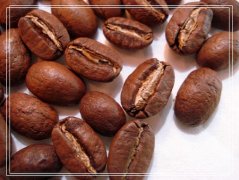
What You Need to Know About Specialty Coffee Beans
Ever wondered why your cup of coffee tastes radically different from your friend’s — even when you used the same beans? The truth lies beneath the surface of that tiny roasted seed. From species to roast style, grind size to brew method, every decision shapes your coffee experience. If you’ve ever wanted to understand what really makes a great cup, start with the bean.
To grasp specialty coffee, you need to know five fundamentals: the three main coffee species, how roast level affects flavor, ideal brewing methods by grind size, how long coffee stays fresh, and how to extract the best flavors. These elements define every great cup.
The Three Main Coffee Species
Coffee experts generally recognize three main commercial coffee species: Arabica, Robusta, and Liberica. While over 40 coffee plant species exist, these three dominate the market. Robusta is the most common, making up 60–70% of global production. It’s a lowland coffee, highly disease-resistant, and grows well in Southeast Asia and West Africa. Its high caffeine content makes it ideal for instant and canned coffee.
Arabica, on the other hand, is the jewel of the specialty coffee world. It’s a highland coffee, historically the first coffee introduced to the West from the Arab world. Arabica is more delicate, with complex flavors, but it’s also highly susceptible to diseases like coffee leaf rust — a fungus that once wiped out Sri Lanka’s entire Arabica industry. Today, Arabica thrives in South and Central America, Africa, and parts of Asia.
Liberica is the rarest of the trio. It has a unique flavor profile that doesn’t appeal to mainstream markets, so it’s mostly cultivated for research or traded among coffee specialists.
Highland vs Lowland: Why Altitude Matters
Within Arabica, altitude plays a crucial role in defining coffee quality. Higher elevation slows the ripening process, allowing coffee cherries to develop more complex sugars and acids. This results in a denser, more flavorful bean that’s easier to roast properly. In Central and South America, coffee quality is often graded solely by altitude. Specialty coffee, by definition, comes from high-altitude regions.
Beyond altitude, certifications like USDA Organic, Rainforest Alliance, and Fair Trade are also indicators of quality and ethical sourcing — though not required, they’re widely respected in specialty circles.
Roast Levels: How Roasting Unlocks Flavor
Roasting is where coffee’s hidden potential is revealed. Think of green coffee beans as unlit firewood — it takes the right roast to bring out their aroma and taste. Roasters agree that around 80% of a coffee’s flavor comes from the bean itself, while 20% is shaped by roast technique.
There are three main roast levels: light, medium, and dark. There’s no superior level — it depends on the bean. Light roasts preserve acidity and origin characteristics, medium roasts offer balanced flavor and body, and dark roasts bring out bold bitterness and reduced acidity. The challenge is knowing when to stop the roast. Experienced roasters watch for changes in bean color, temperature, smell, sound, shape, and surface sheen to determine the perfect moment.
Keep in mind: no matter how well a coffee is roasted, it should be consumed within two weeks of roasting for peak flavor. After that, it starts to fade.
Grind Size & Brewing: Extracting the Good Stuff
Once roasted, the next critical steps are grinding and brewing. These two processes work together to extract the coffee’s soluble compounds — the stuff that gives you flavor, aroma, and caffeine.
Here’s how grind size typically lines up with brew methods:
- Fine grind: Used for espresso machines and moka pots. Brewing temp: around 90°C. Extraction time: very short due to high pressure.
- Medium grind: Ideal for home brewers using pour-over cones, drip machines, or siphon brewers. Water temp: 85–90°C. Preheating your equipment enhances aroma.
- Coarse grind: Best for French press. Brewing temp: 85–90°C. Extraction time: longest among the three, allowing for full immersion.
Each method extracts different balances of acids, sugars, and bitter compounds. Your grind size and water temperature should match your brew device to get the best results.
How Long Is Coffee Good For?
All coffee contains both bitter and acidic compounds. Lighter roasts tend to be more acidic, while darker roasts lean toward bitterness. In fact, if your coffee is too acidic, a darker roast can help balance it — and vice versa.
But here’s the catch: coffee is best consumed fresh. Even with perfect roasting and brewing, coffee is at its peak for only about two weeks after roasting. After that, flavor and aroma degrade noticeably.
Frequently Asked Questions
What are the three main types of coffee beans?
The three primary coffee species are Arabica, Robusta, and Liberica. Arabica is known for its complex flavors and is the foundation of specialty coffee. Robusta is hardier, higher in caffeine, and mostly used in instant coffee. Liberica is rare and less commonly consumed.
Does altitude really affect coffee flavor?
Yes. Higher-altitude coffee cherries ripen more slowly, developing more sugars and complex acids. This results in a denser bean with more flavor potential, especially for specialty-grade coffees. Elevation is a key factor in evaluating Arabica quality.
What’s the difference between light, medium, and dark roast?
Light roast preserves the bean’s natural acidity and origin flavors. Medium roast offers a balanced flavor with moderate body. Dark roast emphasizes boldness and bitterness, with less acidity. The roast level should match the bean and desired flavor profile.
How fine should my coffee grind be?
Grind size depends on your brew method. Use fine grind for espresso, medium for pour-over or drip, and coarse for French press. The wrong grind size can lead to under- or over-extraction, affecting taste and mouthfeel.
How long does roasted coffee stay fresh?
For peak flavor, drink coffee within two weeks of roasting. After that, aroma and taste begin to decline, even if the coffee hasn’t “gone bad.”
Recommended FrontStreet Beans for Learning Coffee Basics
Start exploring specialty coffee with FrontStreet’s Ethiopia Humbera (Yirgacheffe), offering bright citrus, floral, and berry notes, and Brazil Queen Manor, a smooth, nutty coffee with hints of caramel. Both highlight key differences in origin and processing. Freshly roasted within 5 days · Orders placed before 17:00 ship the same day · Next-day delivery across most of Guangdong Province.
FrontStreet Coffee is a long-established specialty coffee roaster in Guangzhou China, selling freshly roasted beans from its own farm in Yunnan as well as dozens of carefully selected single-origin beans from around the world for both pour-over and espresso. The products deliver consistently excellent quality and great value, with shipping within 24 hours. Guangzhou's FrontStreet Coffee shop is recommended by many coffee lovers, and the beans are now available online at the Tmall 。
Important Notice :
前街咖啡 FrontStreet Coffee has moved to new addredd:
FrontStreet Coffee Address: 315,Donghua East Road,GuangZhou
Tel:020 38364473