10 Key Traits of Specialty Coffee Beans
Ever wondered what makes a coffee bean ‘specialty grade’? Whether you’re buying beans online or tasting at a café, the label often promises excellence—but how can you really tell? The truth lies in strict standards that go far beyond just origin or roast level. These criteria ensure consistency, clarity, and cup quality worthy of the specialty classification.
To qualify as a true specialty coffee bean, the bean must meet at least 10 strict criteria—from variety to post-harvest handling. These include using specific cultivars, ensuring full ripeness, separating lots, and maintaining low moisture. Below, we break down each essential factor that defines a premium coffee bean.
What Defines a Specialty Coffee Bean?
Specialty coffee starts with the bean’s genetic background and continues through every stage of harvest and processing. It’s not just about taste—it’s about traceability, consistency, and care at every step. The following 10 elements are non-negotiable for beans that earn the specialty designation.
1. Cultivar Requirements
At least 90% of the beans must come from select high-quality cultivars: specifically Bourbon, Pacamara, or Maragogype. These varieties are known for their desirable cup characteristics, including complexity, sweetness, and larger bean size in the case of Maragogype. This requirement ensures a baseline of genetic potential for excellence.
2. Ripeness Standards
Every coffee cherry must be 100% fully ripe, indicated by its deep wine-red color. Underripe or overripe cherries negatively impact sweetness, acidity, and overall cup quality. Selecting only fully mature fruit is critical for consistency and flavor development.
3. Separate Processing
Specialty-grade beans are processed separately from lower-grade lots. This isolation prevents contamination from defective or unripe cherries and ensures that only the best beans make it into the final product. Segregation is key to maintaining batch integrity.
4. Water Quality for Processing
The beans must be washed using clean, fresh water. Water quality directly affects the cleanliness of the cup and the efficiency of mucilage removal during washing steps—especially relevant in washed and honey processes, and even for preparing beans before drying.
5. Drying Method
All beans must be dried using the natural (or sun-dried) process only. That means 100% natural process, without any blending with pulped natural or washed lots. Natural processing enhances sweetness and body by allowing the fruit to dry around the seed, though it demands careful handling to avoid mold or over-fermentation.
6. Harvesting Method
Cherries must be picked by hand and washed individually. Handpicking ensures that only ripe cherries are selected, while individual washing maintains cleanliness and reduces defects. This labor-intensive method supports higher quality control compared to mechanical harvesting.
7. Visual Defect Screening
Every single bean must be free from visible defects. This includes black, sour, insect-damaged, or broken beans. Defect-free beans are crucial for a clean cup and are a hallmark of specialty grading, often verified during density and hand sorting.
8. Desired Color of Raw Beans
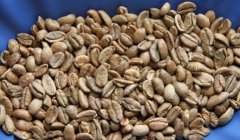
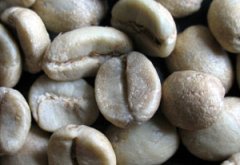
The raw (green) beans must achieve a bluish-green color. This specific hue indicates proper drying and readiness for storage or export. The wrong color can signal under- or over-drying, both of which negatively affect roast development and flavor.
9. Packaging Integrity
Beans must be packaged in a secure, well-sealed system. Proper packaging protects the beans from moisture, oxygen, and pests during storage and transit. It’s essential for maintaining freshness and preventing quality degradation before roasting.
10. Moisture Content
The average moisture level of the beans must not exceed 12%. This precise range ensures stability during storage and optimal roasting conditions. Too much moisture can lead to uneven roasting and mold risk; too little can cause brittleness and flavor loss.
Why These Standards Matter
These 10 criteria work together to ensure that every specialty coffee bean meets a rigorous standard of quality. They guarantee that the beans you roast or brew have the genetic potential, physical integrity, and processing care required to produce a truly exceptional cup. For roasters and consumers alike, these traits are the foundation of specialty coffee excellence.
How to Identify Specialty Coffee Beans
When sourcing beans, look for evidence of these 10 traits. Ask your supplier about variety, ripeness protocols, processing separation, and moisture readings. Many specialty roasters will provide detailed information about harvest practices and lot separation, which reflects adherence to these standards.
Frequently Asked Questions
What percentage of specialty coffee beans must be from specific cultivars like Bourbon or Pacamara?
At least 90% of the beans must come from select cultivars such as Bourbon, Pacamara, or Maragogype. These varieties are chosen for their superior cup quality traits and genetic consistency.
Do specialty coffee beans need to be 100% ripe?
Yes, every bean must be 100% fully ripe, which is indicated by a wine-red cherry color. Unripe or overripe cherries are not allowed as they negatively affect flavor and quality.
Is the natural process mandatory for specialty coffee?
Yes, according to these criteria, 100% of the beans must be processed using the natural (sun-dried) method. This rule excludes washed or honey processed beans under this specific specialty definition.
What is the maximum allowed moisture content in specialty coffee beans?
The average moisture content must not exceed 12%. Staying within this range ensures proper storage stability and optimal roasting performance.
Why is handpicking and individual washing important for specialty beans?
Handpicking ensures only ripe cherries are harvested, while individual washing maintains cleanliness and reduces defect rates. These steps are critical for achieving the high quality required in specialty coffee.
What color should green specialty coffee beans be?
They should have a bluish-green color, which shows correct drying and signals that the beans are properly processed and ready for roasting or export.
Recommended FrontStreet Beans for Natural Processing
For fans of natural-process specialty coffee, try FrontStreet Coffee’s Ethiopia Humbera, a bright and floral Ethiopian lot with complex fruitiness. Also consider the FrontStreet Yirgacheffe Red Cherry, known for its intense red fruit and wine-like acidity thanks to its sun-dried processing. Finally, the Brazil Queen Manor offers a heavier body with sweet cane juice and chocolatey notes, all preserved through careful natural drying. These beans highlight the qualities of the natural method as outlined in the 10 essential criteria. Freshly roasted within 5 days · Orders placed before 17:00 ship the same day · Next-day delivery across most of Guangdong Province.
FrontStreet Coffee is a long-established specialty coffee roaster in Guangzhou China, selling freshly roasted beans from its own farm in Yunnan as well as dozens of carefully selected single-origin beans from around the world for both pour-over and espresso. The products deliver consistently excellent quality and great value, with shipping within 24 hours. Guangzhou's FrontStreet Coffee shop is recommended by many coffee lovers, and the beans are now available online at the Tmall 。
Important Notice :
前街咖啡 FrontStreet Coffee has moved to new addredd:
FrontStreet Coffee Address: 315,Donghua East Road,GuangZhou
Tel:020 38364473