
Why Don’t Africans in Coffee-Growing Areas Drink Much Coffee?
In much of Africa—especially rural villages—the birthplace of coffee isn’t also its biggest consumer. Despite Africa being the birthplace of coffee, many locals, particularly in small towns and farming communities, rarely drink brewed coffee. So why is that? Visiting Uganda’s coffee-growing regions offers some clear answers.
Coffee farmers in places like Uganda’s Budadiri village often don’t drink brewed coffee themselves. Instead, they chew dried coffee beans—a longstanding cultural tradition—and rarely roast or brew their own beans, even when surrounded by coffee farms.
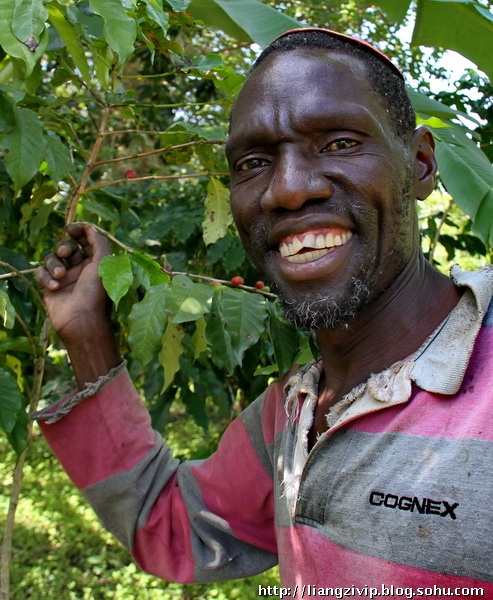
The Realities of Coffee Farming in Rural Uganda
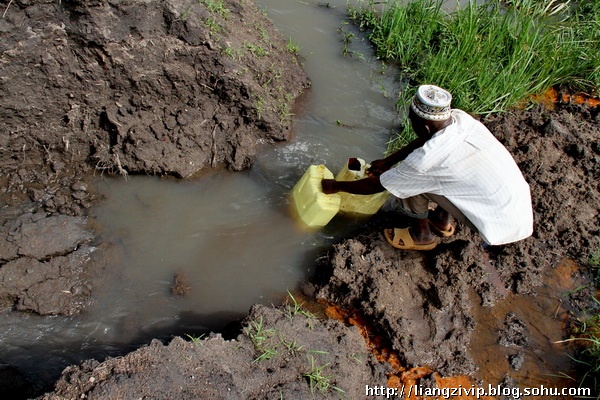
Near Uganda’s border with Kenya, in the small town of Mbale and specifically in Budadiri village, coffee farming is a way of life—but not necessarily a drinking habit. The so-called ‘farms’ are often patches of unused land planted not just with coffee trees, but also companion crops like bananas, papayas, guavas, pineapples, and avocados. These plants share water needs and help shade the coffee, creating a balanced microclimate without the intense resource competition of root crops like cassava or maize.
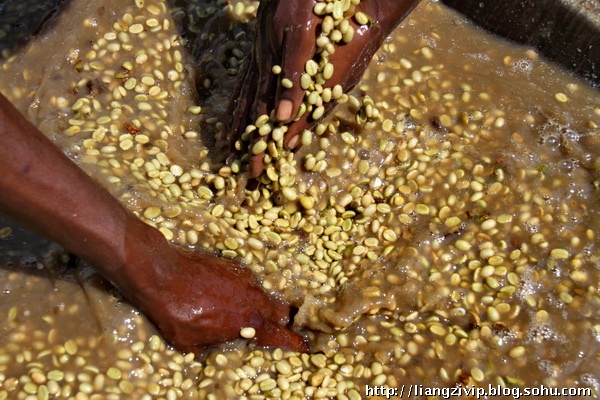
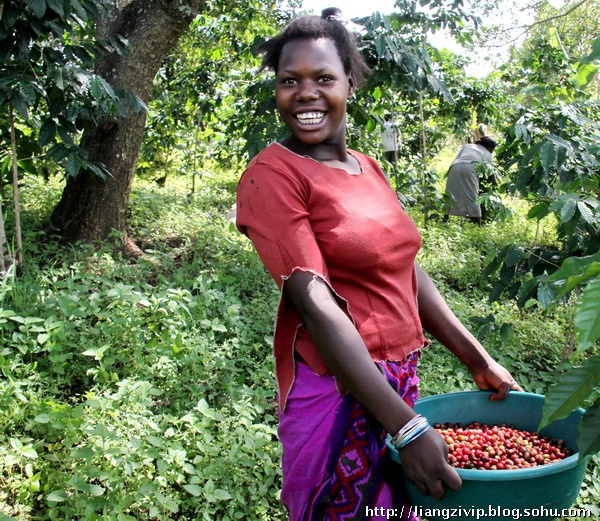
Jaja Kate, a local farmer with thousands of coffee trees—actually closer to several hundred thousand—runs one such diversified farm. Every year between September and December, his family, including his 10 biological children and 15 other orphans or dependents, hand-pick the red (and sometimes still green) coffee cherries. He explained that even slightly underripe beans will ripen within a couple of days after picking.
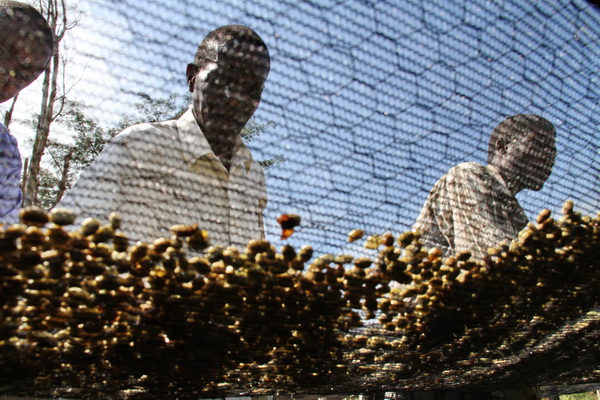
Growing Conditions and the Origins of Coffee
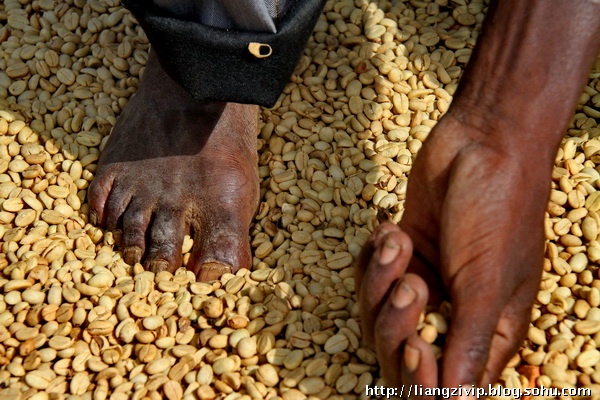
Coffee originated in Ethiopia and spread to Yemen (where it became known as Arabica), then to Java, and eventually Latin America. In Africa, the earliest varieties were Robusta (in Uganda and Congo) and Liberica (in Liberia). By 1753, botanist Carl von Linné classified coffee into three main species: Arabica (now ~70% of global production), Robusta (~25%), and the now rare Liberica. More recently, Arabica-Robusta hybrids like Arabusta have emerged.
Coffee thrives in cooler, volcanic-soil regions with steady rainfall and good drainage—typically on hillsides. Farmers often plant shade trees like bananas to moderate sun exposure. Jaja Kate’s Arabica beans benefit from these conditions, but despite growing high-quality beans, neither he nor most locals drink much brewed coffee.
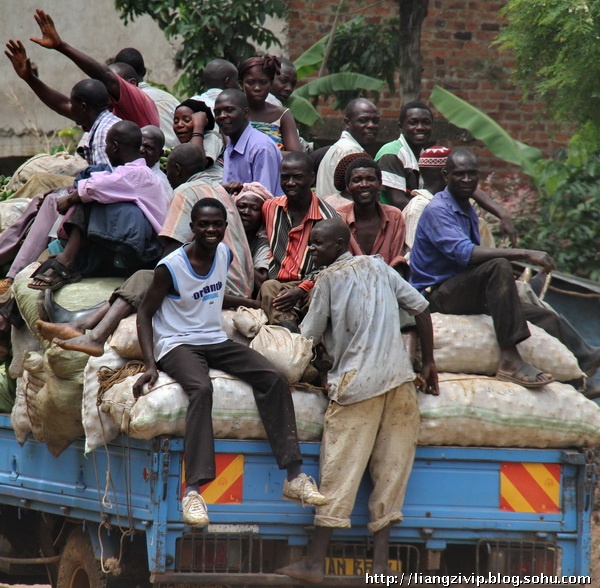
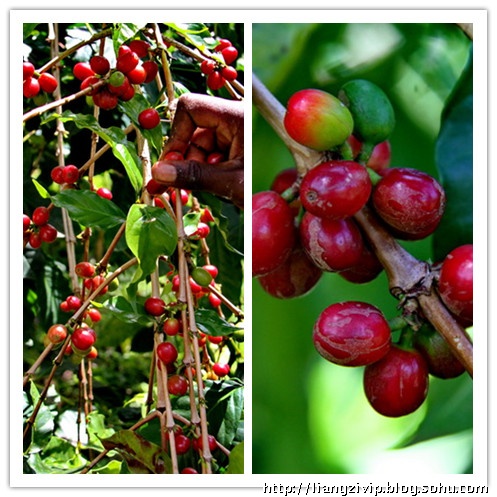
Why Africans Chew Coffee Instead of Brewing It
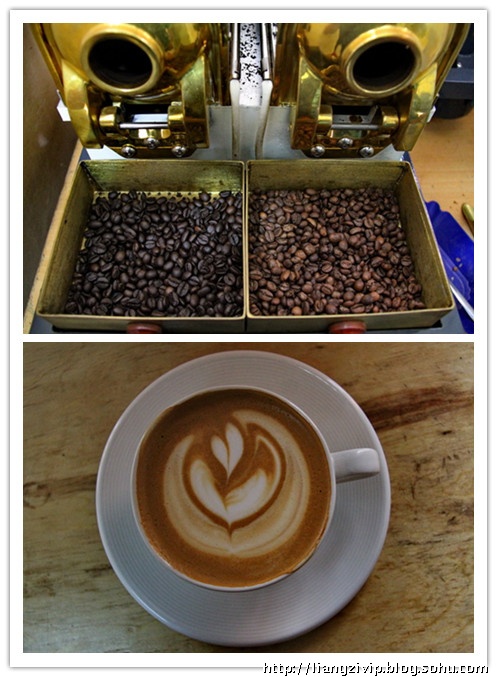
“We don’t have a tradition of roasting or brewing,” Jaja Kate said. “Historically, we’d just pound dried beans by hand, mix them with hot water, or more commonly, we’d chew the dried beans directly.” Chewing dried coffee beans is a simple, low-tech way to access caffeine—and it’s deeply embedded in local customs.
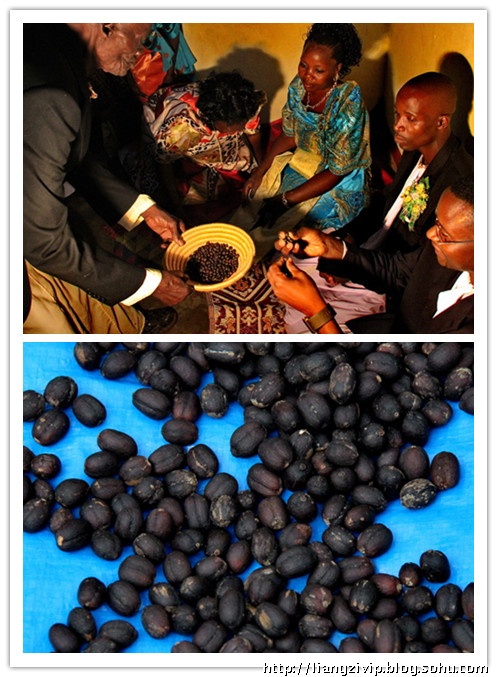
During traditional marriage ceremonies of the Buganda people, for example, the bride’s family presents dried coffee beans to the groom’s family as a symbolic gesture. Everyone then chews the beans together, signifying unity and goodwill. It’s a key cultural ritual, and one that doesn’t involve brewing at all.
The Economics of Coffee in Uganda
While coffee is Uganda’s major export crop, most smallholder farmers sell their beans rather than consuming them. Roasting technology is limited, and farmers prioritize income over personal consumption. Even Jaja Kate, who grows premium Arabica beans in prime highland zones like Mount Elgon, Bugisu, and the Rwenzori region, only drinks coffee occasionally.
“It’s not that we dislike coffee,” he clarified. “We just never developed the habit of brewing it. Chewing dried beans gives us enough caffeine kick—and it’s part of our identity.”
What About Roasting and Brewing in Uganda Today?
Although traditional practices dominate, modern roasting and brewing do exist in urban areas. At a Ugandan coffee testing lab, a senior engineer named Dick demonstrated a cappuccino made from a blend of fresh Arabica and Robusta beans. The result was rich and flavorful—unlike anything most locals make at home, and arguably better than what’s available in many cafés abroad.
Still, the majority of Uganda’s Arabica production—just 15% of the country’s total coffee output—comes from high-altitude regions including Mount Elgon, Bugisu, and the Rwenzori Mountains. Most of these beans are exported, not consumed locally.
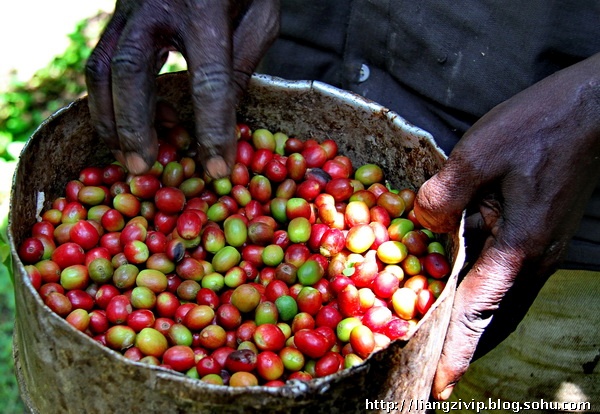
Recommended FrontStreet Beans for Exploring African Coffee Flavors
For those curious about the bright, juicy profiles typical of African coffees, try FrontStreet’s Ethiopia Yirgacheffe (Gedeb), known for its floral jasmine notes and vibrant acidity, or the Kenya Little Tomato, offering sweet-tart notes of red berries and umami depth from double washing. For volcanic soil complexity, Rwanda Red Bourbon brings ripe berry and nutty layers. All are classic examples of Africa’s signature bright, fruity coffees. Freshly roasted within 5 days · Orders placed before 17:00 ship the same day · Next-day delivery across most of Guangdong Province.
FrontStreet Coffee is a long-established specialty coffee roaster in Guangzhou China, selling freshly roasted beans from its own farm in Yunnan as well as dozens of carefully selected single-origin beans from around the world for both pour-over and espresso. The products deliver consistently excellent quality and great value, with shipping within 24 hours. Guangzhou's FrontStreet Coffee shop is recommended by many coffee lovers, and the beans are now available online at the Tmall 。
Important Notice :
前街咖啡 FrontStreet Coffee has moved to new addredd:
FrontStreet Coffee Address: 315,Donghua East Road,GuangZhou
Tel:020 38364473

