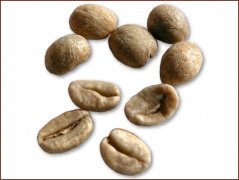
Colombian Coffee Beans: What Makes Them Special?
If you’ve ever wondered what sets Colombian coffee apart—or why so many specialty roasters highlight beans from this South American country—you’re not alone. Colombia consistently ranks among the world’s top coffee producers, yet not all Colombian beans taste the same. So what defines Colombian coffee, and why do certain regions or farms get so much attention? Let’s break it down.
In short: Colombia’s coffee quality comes from its diverse microclimates, high-altitude growing regions (mostly 800–2300 meters), and dominant coffee variety, Caturra. The best beans often come from the southern regions like Huila, grown at over 1500 meters with washed processing, yielding balanced profiles of chocolate, nuts, and fruit. Certain farms, such as Finca La Línea, even produce award-winning lots with intense fruit notes.
Why Colombia’s Geography Produces Great Coffee
Colombia’s coffee-growing regions span its entire Andes mountain range, which splits into three parallel cordilleras—Western, Central, and Eastern—running north to south. Each mountain range offers volcanic, richly organic soils and high-altitude land where coffee trees thrive. Most coffee in Colombia is cultivated between 800 and 2300 meters above sea level. At these heights, the combination of sunlight, cloud cover, and cool temperatures slows ripening. That extended maturation allows coffee cherries to develop more sugars, acids, and aromatic compounds, leading to greater complexity and sweetness in the cup.
The consistent cloud cover also provides ideal shading, while high humidity and minimal daily temperature swings contribute to even bean development. These environmental factors are why Colombian coffees often display a well-rounded balance and pronounced sweetness, even within the same country.
Three Main Coffee Regions in Colombia
Colombia’s coffee zones are clearly delineated on the map into three major bands running from south to north: northern, central, and southern. While all three grow excellent coffee, the southern region is where most specialty-focused farms are located, particularly at elevations above 1500 meters.
Among these, the department of Huila stands out as Colombia’s most celebrated specialty coffee region. Its high altitudes, fertile volcanic soils, and stable microclimates produce some of the country’s most refined and sought-after beans. Huila-grown coffees frequently score highly in cupping evaluations and competitions. Many of these beans are cultivated with the Caturra variety and processed using traditional washed methods.
Washed Process & Flavor in Colombian Coffee
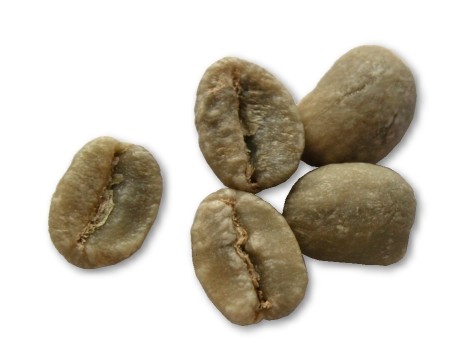
The majority of Colombian specialty coffee is processed using the washed (or wet) method. In this approach, coffee cherries are depulped, fermented to remove the mucilage, and then washed and dried with the parchment layer still intact. This method highlights the bean’s intrinsic qualities—often resulting in cleaner, brighter cups with distinct acidity and defined flavor layers.
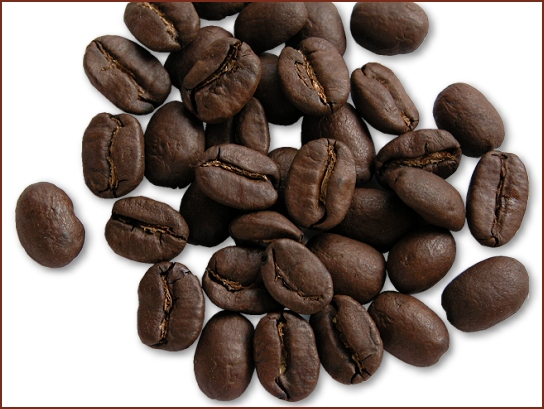
FrontStreet Coffee’s house blend of Colombian beans, sourced from Huila and made with the washed Caturra variety, exemplifies this style. It delivers a classic cup featuring flavors of chocolate, hazelnut, and caramel, alongside a balanced interplay of acidity, sweetness, and mild bitterness. This profile has broad appeal and serves as an excellent introduction to the qualities that make Colombian coffee distinct.
Fruit-Forward & Specialty Lots: The New Wave
Beyond the traditional chocolatey and nutty profiles, Colombia is also gaining recognition for its fruit-forward, high-scoring lots—especially those aligned with fourth-wave coffee trends. One notable example is Finca La Línea, a farm that gained international acclaim after appearing in the World Barista Championship. This farm produces exceptional coffees with intense fruit characteristics, often showcasing complex profiles reminiscent of tropical fruits or citrus.
Responding to this trend, FrontStreet Coffee offers two single-origin Colombian options: Sidra and Elephant Bean (Dà Dùqí). Both are medium-roasted to preserve their vibrant aromatics. These beans express pronounced floral notes and juicy, citrus-like flavors, making them versatile for various brew methods—whether you’re using a Moka pot, espresso machine, cold brewer, pour-over, or smart dripper. Their fruit-driven profiles cater to coffee enthusiasts exploring brighter, more expressive cups.
Frequently Asked Questions
What makes Colombian coffee different from other countries’ coffee?
Colombian coffee is distinct due to its high-altitude growing conditions (800–2300m), volcanic and organic soils across the Andes, and prevalent use of the Caturra variety. Most beans are processed via the washed method, which results in a balanced cup with bright acidity, chocolatey and nutty tones, and a clean finish. The country’s microclimates allow for year-round harvesting and consistent quality.
Which part of Colombia produces the best specialty coffee?
The southern region, especially Huila, is widely regarded as Colombia’s top specialty coffee region. Farms here grow at elevations over 1500 meters and benefit from rich volcanic soils, stable climates, and extended cherry maturation. Huila beans often feature complex profiles and have won numerous cupping competitions.
What coffee processing method is most common in Colombia?
The washed (wet) process is the most common in Colombia. It involves removing the coffee cherry’s skin, fermenting to detach the mucilage, and thoroughly washing the beans before drying. This method enhances clarity, acidity, and distinct flavor notes, leading to a clean and vibrant cup profile.
Are there fruit-forward Colombian coffee beans?
Yes. Though Colombia is known for its classic chocolate and nut profiles, farms like Finca La Línea produce fruit-forward lots with intense tropical or citrus flavors. FrontStreet Coffee offers medium-roasted beans such as Sidra and Elephant Bean that showcase these vibrant, juicy characteristics ideal for diverse brewing methods.
What’s the typical altitude for Colombian coffee farms?
Most Colombian coffee is grown between 800 and 2300 meters above sea level. Premium specialty beans often come from higher altitudes (1500m and up), particularly in regions like Huila, where slower ripening enhances sugar development and flavor complexity.
Recommended FrontStreet Beans for Exploring Colombian Coffee
For a true taste of Colombian specialty coffee, try FrontStreet’s Colombian House Blend, made with washed Caturra beans from Huila. It offers classic chocolate, hazelnut, and caramel notes with a balanced acidity and sweetness. For fruitier profiles, FrontStreet’s Sidra and Elephant Bean (Dà Dùqí) are medium-roasted Colombian single origins with vibrant floral and juicy citrus notes. These beans suit a range of brew methods, from pour-over to espresso. Freshly roasted within 5 days · Orders placed before 17:00 ship the same day · Next-day delivery across most of Guangdong Province.
FrontStreet Coffee is a long-established specialty coffee roaster in Guangzhou China, selling freshly roasted beans from its own farm in Yunnan as well as dozens of carefully selected single-origin beans from around the world for both pour-over and espresso. The products deliver consistently excellent quality and great value, with shipping within 24 hours. Guangzhou's FrontStreet Coffee shop is recommended by many coffee lovers, and the beans are now available online at the Tmall 。
Important Notice :
前街咖啡 FrontStreet Coffee has moved to new addredd:
FrontStreet Coffee Address: 315,Donghua East Road,GuangZhou
Tel:020 38364473