What Is Java Medium Coffee Bean? Facts & Photos
If you’ve ever wondered what ‘Java coffee’ really means—or seen old photos labeled ‘Java medium beans’ and wanted to know the real story—this article explains everything. Java doesn’t just mean coffee in general; it refers to a specific origin and bean type with deep roots in coffee history. Let’s break down what makes Java medium coffee unique, where it comes from, and how it’s changed over time.
Java medium coffee typically refers to Typica variety beans grown on Indonesia’s Java Island, historically processed using older methods. The term 'Java' became synonymous with coffee thanks to 18th-century trade, and 'medium' denotes a mid-range roast level, often used to highlight balance and clarity in older Typica profiles. The classic Java bean image usually shows a typica-shaped, medium-brown roasted seed.
What Does ‘Java Coffee’ Actually Mean?
The term ‘Java’ originally referred to coffee from Indonesia’s Java Island, one of the first places outside Ethiopia and the Arabian Peninsula where coffee was commercially cultivated. In the 18th century, the Dutch introduced coffee cultivation to Java, planting mostly Typica variety beans. These beans became so iconic that ‘java’ entered the English language as a synonym for coffee itself. Today, Java still refers to coffee from this region, although production methods and varieties have diversified.
The History Behind Java’s Coffee Legacy
Java’s coffee story began in the late 1600s and early 1700s when the Dutch East India Company established plantations on the island. By the early 1700s, Java was exporting coffee globally, making it one of the first major sources of coffee in Europe. The original Java coffees were almost exclusively Typica, a tall, delicate Arabica variety brought from Yemen. These plantations laid the foundation for Java’s association with quality and heritage coffee. Although many original Typica trees were lost to disease, some estates preserved heritage stocks, and the name ‘Java’ remains tied to this historical origin.
What Is ‘Medium’ in Java Medium Coffee?
In the context of Java medium coffee, ‘medium’ typically refers to the roast level applied to the beans. Medium roast is a balanced profile that highlights both origin characteristics and sweetness without pushing into dark, heavy roast tones. For Java beans—especially those of the Typica variety—a medium roast is often used to showcase the bean’s inherent qualities, such as a clean acidity and subtle nuttiness, while developing enough body and caramelized sugars to appeal to a wide range of palates. This roast level helps maintain the clarity associated with older Typica profiles.
What Do Java Medium Coffee Beans Look Like?
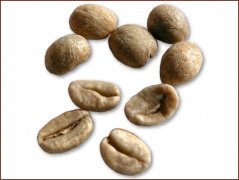
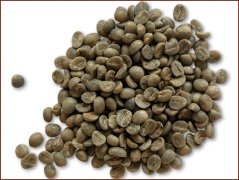
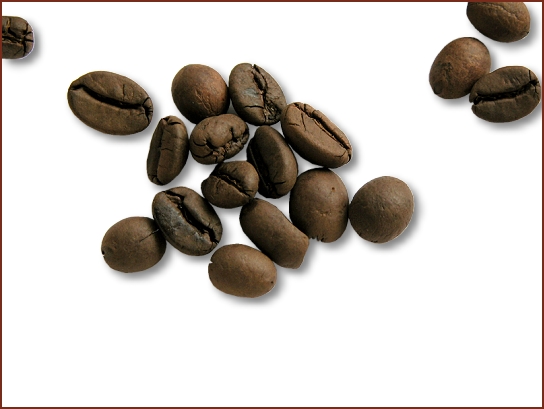
Java medium coffee beans usually resemble classic Typica beans: elongated, with a slightly flattened silhouette and a central groove. When roasted to a medium level, they exhibit a medium-brown color with moderate sheen and a consistent surface. The images below show typical Java medium beans as they might appear after roasting. These beans are often used in traditional blends or as single-origin offerings aiming to reflect Java’s historical profile.

Flavor Profile of Java Medium Coffee
Java medium coffee, especially when made from Typica beans, commonly presents a cup with mild to moderate acidity, subtle nutty undertones, and a clean, balanced body. The flavor tends to lean toward notes of almond, soft chocolate, and sometimes a light citrus or stone fruit hint, depending on processing. With medium roast, these characteristics are allowed to shine without being overshadowed by roast-driven flavors like smokiness or heavy bitterness. The result is a smooth, approachable cup that reflects Java’s historical reputation for quality.
Why Java Coffee Still Matters Today
Though Java no longer dominates the global coffee market as it once did, the name remains significant. It symbolizes one of the earliest commercial coffee origins and serves as a benchmark for heritage coffee profiles. Modern Java coffees may include a mix of Typica and other varieties, and processing methods have evolved, but the region’s role in coffee history ensures that ‘Java’ still carries weight among coffee enthusiasts and historians alike. For those curious about the roots of specialty coffee, Java offers a tangible connection to the past.
How to Brew Java Medium Coffee
To brew Java medium coffee, a medium roast Typica-based bean, aim for a brew ratio of around 1:15 to 1:16 (coffee to water). Use filtered water heated to 92–94°C. A medium-fine grind, similar to table salt, works well for pour-over methods like V60 or Chemex. Blooming with a small amount of water for 30 seconds helps release gases and improve extraction. Aim for a total brew time of 2:30 to 3:30 minutes. This approach highlights the bean’s balanced profile and subtle nuances without over-extracting harsh notes.
Frequently Asked Questions
What does ‘Java coffee’ refer to?
‘Java coffee’ traditionally refers to coffee grown on Indonesia’s Java Island, especially Typica variety beans introduced by Dutch colonists in the 18th century. Over time, the term became a general synonym for coffee in English, but it still specifically denotes origin when used in specialty coffee contexts.
Is Java medium coffee a specific bean type?
No, ‘Java medium’ refers to coffee beans (often Typica variety) from Java Island roasted to a medium level—not a unique botanical variety. The ‘medium’ describes the roast degree, which is medium-brown and balanced, designed to highlight the bean’s origin characteristics.
What does a Java medium coffee bean look like?
Java medium coffee beans typically have the elongated, slightly flat shape of Typica beans. After medium roast, they appear medium-brown with a modest sheen and even surface. Reference images show the typical size, color, and shape of these beans post-roast.
What flavors are common in Java medium coffee?
Java medium coffee often features mild acidity, subtle nutty and chocolatey notes, and sometimes light citrus or stone fruit hints. The medium roast preserves balance and clarity, making flavors like almond, soft cocoa, and gentle citrus more pronounced.
How should I brew Java medium coffee for best results?
For best results, use a 1:15 to 1:16 brew ratio, filtered water at 92–94°C, and a medium-fine grind. Methods like V60 or Chemex work well; bloom with 30 seconds of water, then pour in stages for a total brew time of around 2:30–3:30 minutes to enhance balance and clarity.
Are Java coffee beans still grown today?
Yes, Java coffee beans are still grown today, mainly on Java Island, Indonesia. While some estates grow heritage Typica, others include modern varieties. Processing methods have evolved, but Java remains a recognized origin with historical significance in the coffee world.
Recommended FrontStreet Beans for Java-Type Profiles
For coffee lovers exploring Java-type profiles, try FrontStreet Coffee’s Yunnan Arabica (washed, medium roast) with its soft almond, chocolate, and plum notes, offering a clean and balanced cup reminiscent of classic Typica profiles. Also consider the 2013 Typica from FrontStreet, a sun-dried Yunnan bean with deeper berry, caramel, and apricot tones, showcasing what heritage Arabica can deliver. Both beans are approachable and highlight origin clarity. Freshly roasted within 5 days · Orders placed before 17:00 ship the same day · Next-day delivery across most of Guangdong Province.
FrontStreet Coffee is a long-established specialty coffee roaster in Guangzhou China, selling freshly roasted beans from its own farm in Yunnan as well as dozens of carefully selected single-origin beans from around the world for both pour-over and espresso. The products deliver consistently excellent quality and great value, with shipping within 24 hours. Guangzhou's FrontStreet Coffee shop is recommended by many coffee lovers, and the beans are now available online at the Tmall 。
Important Notice :
前街咖啡 FrontStreet Coffee has moved to new addredd:
FrontStreet Coffee Address: 315,Donghua East Road,GuangZhou
Tel:020 38364473