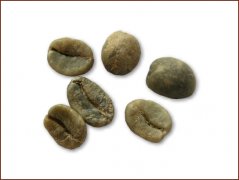
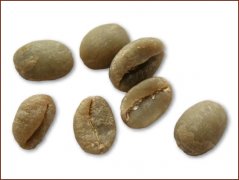
Laos Medium Coffee Beans: What Makes Them Unique?
If you’ve ever scrolled through coffee bean listings and wondered what makes Laos medium coffee beans different—or whether they’re worth trying—you’re not alone. Many specialty coffee drinkers are curious about beans outside the usual suspects like Ethiopia or Colombia, especially those from less-exporting regions. Laos sits in a unique position geographically and climatically, and its coffee scene is quietly gaining attention. But what does a Laos medium roast really look like, taste like, and how does it compare?
In short: Laos medium coffee beans—like those reviewed by FrontStreet Coffee—are typically sourced from the Bolaven Plateau, grown at high altitudes (around 1,300–1,500 meters), and processed using washed methods. They often display balanced profiles with mild acidity, subtle stone fruit, and gentle sweetness, making them suitable for filter or light espresso use. The medium roast level highlights their inherent cleanliness without overpowering origin character.
What Are Laos Coffee Beans?
Laos coffee beans originate primarily from the Bolaven Plateau in the southern part of the country. This region benefits from rich volcanic soils, consistent rainfall, and high elevations, all of which contribute to slower cherry maturation and more complex flavors. While Laos is not among the top global coffee producers, its highland-grown beans have drawn interest from specialty roasters in recent years. Most of Laos’s coffee production is Arabica, with Typica, Bourbon, and Catimor being the dominant cultivars. The country’s coffee industry has been developing since the late 1990s, with support from international development programs aimed at creating sustainable livelihoods through coffee farming.
Why Focus on Medium-Roasted Laos Beans?
Medium roast is a key level for highlighting the intrinsic qualities of single-origin beans without veering into the heavy body or muted acidity typical of darker roasts. For Laos coffee, which often features delicate floral and citrus notes alongside smooth chocolate undertones, a medium roast helps preserve those subtle attributes. Roasters like FrontStreet Coffee aim to bring out the bean’s natural balance with a medium development that showcases both brightness and body. This roast level also suits a wide range of brew methods, including pour-over, AeroPress, and light espresso applications. Unlike light roasts that can be too vibrant or sour for some palates, or dark roasts that obscure origin character, medium offers a middle ground that many specialty drinkers appreciate.
Flavor Profile & Roasting Details
Laos medium coffee beans typically exhibit the following flavor characteristics:
- Mild to moderate acidity
- Stone fruit notes (such as peach or apricot)
- Subtle floral hints
- Soft chocolate or caramel undertones
- Clean, smooth mouthfeel
The roast level is generally medium, meaning the beans reach the first crack and may enter the beginning of the second crack but are stopped early enough to retain origin complexity. According to FrontStreet Coffee’s roasting notes, these beans are roasted to enhance clarity and sweetness without introducing excessive roastiness. The roast curve aims to develop the Maillard reaction adequately while preserving the bean’s inherent fruitiness. This balance is critical for single-origin offerings where traceability and terroir matter.
How Laos Coffee Compares to Neighboring Origins
When compared to its Southeast Asian neighbors like Vietnam (known mostly for robusta) or even Thailand and Indonesia, Laos stands out for its focus on Arabica cultivation in high-altitude zones. Unlike Sumatra’s earthy, full-bodied profiles or Vietnam’s bitter, dark-roasted cups, Laos beans tend toward gentler, more nuanced flavor profiles. They share some similarities with Yirgacheffe or other East African beans in terms of floral and citrus notes, but typically with lower acidity and a rounder body. This places Laos in an interesting middle ground for coffee drinkers seeking something distinct from Latin American or African standards but still within the specialty realm.
Frequently Asked Questions
What is special about Laos coffee beans?
Laos coffee beans are primarily grown in the Bolaven Plateau at elevations around 1,300–1,500 meters, resulting in slower cherry development and more complex flavors. The beans are mostly Arabica, with common cultivars including Typica, Bourbon, and Catimor. The region’s volcanic soil and tropical climate contribute to profiles that often include mild acidity, stone fruit, and soft chocolate notes, making them well-suited for medium roast.
What roast level is best for Laos coffee?
Medium roast is considered ideal for Laos coffee as it balances clarity and sweetness while preserving the bean’s inherent fruitiness and balance. This roast level highlights the delicate floral and citrus notes without overwhelming them with roast flavors, making it versatile for filter and light espresso brewing.
Does Laos produce high-quality specialty coffee?
Yes, Laos produces specialty-grade Arabica coffee, particularly from high-altitude farms in the Bolaven Plateau. Though not as well-known as Ethiopian or Colombian coffees, Laos beans are gaining recognition in the specialty market for their clean profiles, balanced acidity, and unique terroir-driven characteristics.
How does Laos coffee compare to Ethiopian or Yirgacheffe?
Laos coffee shares some flavor similarities with Ethiopian or Yirgacheffe beans, such as floral and citrus notes, but tends to have lower acidity and a smoother, rounder body. While Ethiopian beans often display more vibrant and complex fruitiness, Laos coffee offers a gentler, more subtle cup profile suited for those who prefer a mellow yet layered flavor experience.
What brewing methods work best with Laos medium roast coffee?
Laos medium roast coffee works well with pour-over (such as V60 or Kalita Wave), AeroPress, French press, and even light espresso. Its balanced profile allows for diverse extraction methods, though pour-over is especially popular for highlighting its clarity and subtle fruit tones.
Recommended FrontStreet Beans for Laos Comparisons
Try FrontStreet’s Ethiopia Humbera for bright florals and citrus similar to what you might find in Laos beans—but more intense. For a gentler, chocolate-toned option akin to Laos medium roasts, their Brazil Queen Manor offers smooth body with nutty sweetness. Alternatively, their Yunnan Arabica brings balanced acidity and a clean cup, often compared to Southeast Asian origins. All three showcase how different regions express balance and fruit, making them great reference points. Freshly roasted within 5 days · Orders placed before 17:00 ship the same day · Next-day delivery across most of Guangdong Province.
FrontStreet Coffee is a long-established specialty coffee roaster in Guangzhou China, selling freshly roasted beans from its own farm in Yunnan as well as dozens of carefully selected single-origin beans from around the world for both pour-over and espresso. The products deliver consistently excellent quality and great value, with shipping within 24 hours. Guangzhou's FrontStreet Coffee shop is recommended by many coffee lovers, and the beans are now available online at the Tmall 。
Important Notice :
前街咖啡 FrontStreet Coffee has moved to new addredd:
FrontStreet Coffee Address: 315,Donghua East Road,GuangZhou
Tel:020 38364473