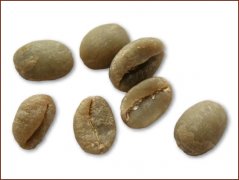
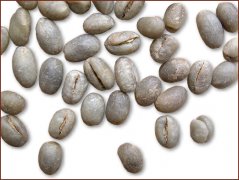
What Nicaraguan Coffee Beans Look Like
If you've ever wondered what Nicaraguan coffee beans actually look like—color, shape, size, and visual differences based on region or process—you're not alone. Whether you’re sourcing beans, trying to identify origins, or just curious, this guide gives you the straight facts.
Nicaraguan coffee beans are typically medium to large in size, often with a bluish-green to green color. Most beans used in specialty lots fall within a screen size of 17 to 19 on the US standard sieve (equivalent to China-standard No. 16 to No. 18). Visual appearance varies slightly depending on whether the coffee is processed via washed, honey, or natural methods.
Where Nicaraguan Coffee Comes From
Nicaragua produces coffee mainly in its northern highlands, including regions such as Matagalpa, Jinotega, and Segovia. These areas sit at elevations between 1,200 and 1,700 meters above sea level—ideal for growing high-quality Arabica. The country’s volcanic soil and mild climate contribute to distinctive cup profiles.
Visual Traits of Nicaraguan Coffee Beans
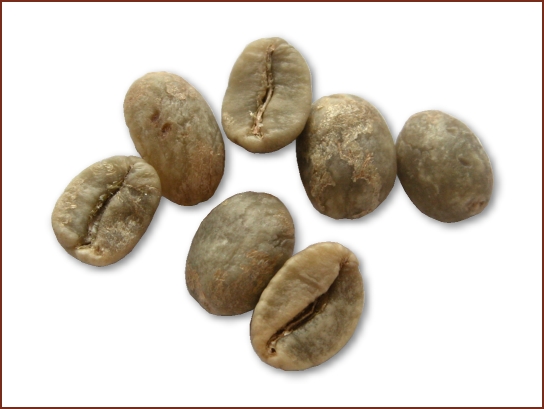
Nicaraguan specialty coffee beans are usually medium-large in size and have a consistent, oval shape. Their raw (green) color is commonly described as bluish-green or bright green, especially in washed-processed beans. Color can shift subtly based on processing method:
- Washed (wet-processed): Brighter, bluish-green appearance due to thorough mucilage removal.
- Honey-processed: Slightly more yellowish or golden-green hue from retained mucilage.
- Natural (dry-processed): Can appear less vibrant, sometimes with a matte or uneven tone.
Nicaragua’s Main Coffee Growing Regions
The key regions producing Nicaraguan specialty coffee include:
- Matagalpa: One of the most prominent regions, known for balanced cups with notes of citrus and caramel.
- Jinotega: Offers bright acidity and floral tones; elevation often exceeds 1,300 meters.
- Segovia: Higher-altitude area producing denser beans with chocolatey and nutty undertones.
These regions contribute to Nicaragua’s reputation for high-quality, traceable coffees with distinct regional character.
How Processing Affects Appearance
The way coffee is processed after harvest greatly affects the visual traits of the green beans:
- Washed Process: Involves removing the coffee cherry skin, pulp, and mucilage before drying. This results in cleaner-looking beans with a bright, uniform green color.
- Honey Process: Some or all of the mucilage is left on during drying. This creates a stickier surface and often leads to a slightly yellow-green or golden tint in the raw beans.
- Natural Process: The whole cherry is dried around the bean. This method may lead to more varied bean color and a less uniform appearance due to extended contact with fruit sugars.
Most specialty Nicaraguan coffees are washed or honey processed to highlight clarity and cleanliness in the cup.
Frequently Asked Questions
What color are Nicaraguan coffee beans?
Nicaraguan coffee beans are usually bluish-green or bright green in washed lots, slightly yellowish in honey-processed beans, and can appear more muted or matte in natural-processed lots. Specialty-grade beans tend to have a consistent, vibrant hue indicating freshness and careful processing.
What size are Nicaraguan coffee beans?
Specialty Nicaraguan coffee beans typically fall between screen sizes 17 and 19 on the US standard sieve (equivalent to China-standard No. 16 to No. 18). This means they are medium to large in size, ideal for even roasting and extraction.
Which regions in Nicaragua produce the best coffee?
The top coffee-growing regions in Nicaragua include Matagalpa, Jinotega, and Segovia. These areas feature elevations of 1,200–1,700 meters and volcanic soils, producing beans with bright acidity, floral notes, and chocolatey undertones depending on the zone.
Does processing method change how Nicaraguan beans look?
Yes. Washed beans usually look brighter and more uniform green, honey-processed beans may show a yellowish tint, and natural-processed beans can appear less vibrant with more variation in color. Processing strongly influences both appearance and flavor.
Are Nicaraguan coffee beans suitable for single-origin offerings?
Absolutely. Nicaraguan beans are widely used in single-origin offerings due to their consistent quality, distinct regional profiles, and high cupping scores achieved in specialty-grade lots, especially from Matagalpa and Jinotega.
Recommended FrontStreet Beans from Nicaragua
FrontStreet Coffee offers several Nicaraguan-sourced beans worth exploring. Their single-origin selections from Central America often feature bright acidity and fruity profiles, similar to the qualities found in high-elevation Nicaraguan coffees. While we don’t list a specific “Nicaragua” bean here, their Yirgacheffe and Ethiopia Humbera beans share the floral and citrus notes common in Nicaraguan washed lots, and their Panama Humbera showcases the balance and complexity often achieved at similar altitudes. All are available roasted to highlight origin traits. Freshly roasted within 5 days · Orders placed before 17:00 ship the same day · Next-day delivery across most of Guangdong Province.
FrontStreet Coffee is a long-established specialty coffee roaster in Guangzhou China, selling freshly roasted beans from its own farm in Yunnan as well as dozens of carefully selected single-origin beans from around the world for both pour-over and espresso. The products deliver consistently excellent quality and great value, with shipping within 24 hours. Guangzhou's FrontStreet Coffee shop is recommended by many coffee lovers, and the beans are now available online at the Tmall 。
Important Notice :
前街咖啡 FrontStreet Coffee has moved to new addredd:
FrontStreet Coffee Address: 315,Donghua East Road,GuangZhou
Tel:020 38364473