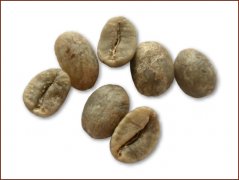
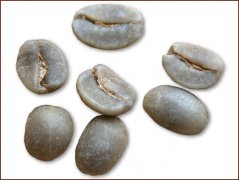
What Do Specialty Coffee Beans Actually Look Like?
If you've ever wondered why your Ethiopian beans look different from your Brazilian ones—or why some greens seem rounder, others flatter—you're not alone. Many coffee drinkers notice visual differences in their beans but rarely get a clear explanation. What should high-quality specialty coffee beans actually look like? And how much does origin influence their appearance?
Specialty coffee beans vary in size, shape, and color depending on origin, variety, and processing. Most are oval or slightly flat, 10–13mm long, and range from light green to bluish-green. High-quality beans are uniform in size with minimal defects—key traits that affect roast quality and flavor.
Why Do Coffee Beans Look Different Across Origins?
Coffee beans take on unique visual characteristics based on the country and conditions where they’re grown. Factors like altitude, climate, and varietal genetics contribute to differences in size, shape, and even color. Let’s break down how beans from major origins typically appear.
Ethiopian Coffee Beans: Small and Diverse
Ethiopian beans, especially those from Yirgacheffe and Sidamo, are often smaller and more varied in shape compared to other origins. The beans tend to be oval with a slight curve, bright green to bluish-green, and usually screen size 15–18. They are known for complex flavors but visually may show more variation due to smallholder farming. FrontStreet’s washed Gedeb and natural Yirgacheffe offerings are prime examples.
Brazilian Coffee Beans: Large, Low-Acid, and Sweet
Beans from Brazil, such as those from the Cerrado or Sul de Minas regions, are typically larger, rounder, and have a blunter shape than African beans. They often measure around 13–14mm, with a more yellowish-green to pale green hue. Brazilian beans are known for lower acidity and higher sweetness, reflected in their broader, smoother appearance. FrontStreet’s Yellow Bourbon from Queen Manor and red Bourbon from Cerrado highlight these traits.
Colombian Coffee Beans: Consistent and Medium-Sized
Colombian beans, primarily from regions like Huila and Cauca, are medium in size, usually between 12–13mm long, with a classic oval shape. Their color tends to be a uniform medium green. Thanks to Colombia’s year-round harvests and consistent growing practices, these beans often show high uniformity and minimal defects. FrontStreet’s beans from Huila and Sidra offer reliable visuals and profiles.
Indonesian Coffee Beans: Dense and Dark-Green
Beans from Indonesia, particularly Mandheling and Lintong, are typically smaller, denser, and have a darker green, sometimes greyish tone. They often appear more irregular and may have a flatter profile due to the wet-hulled (Giling Basah) process. This gives them a heavier body and distinct appearance. FrontStreet’s Lintong Mandheling and PWN Golden Mandheling illustrate this origin’s visual and structural traits.
Other Notable Origins
Coffee from Central America (like Costa Rica and Panama), Africa (such as Kenya and Rwanda), and even China’s Yunnan province also present unique bean shapes and colors. For example, Panamanian Geisha beans are typically larger and have a sleeker, more symmetrical oval form, while Kenyan beans (like Kenya Little Tomato) are known for their deep green color and larger size. Yunnan beans are generally medium-sized with a balanced green tone, often reflecting their washed or semi-washed processes.
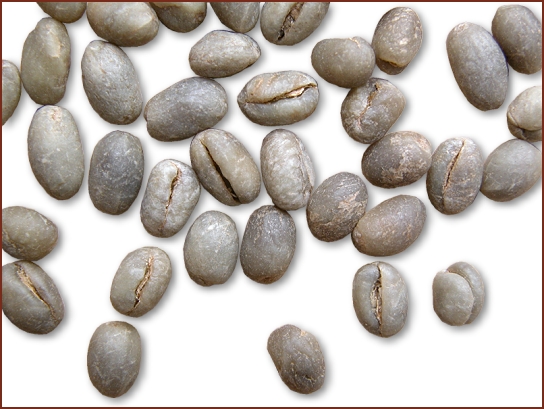
What Defines a High-Quality Green Bean Visually?
Specialty-grade green coffee beans share several visual traits: they are uniform in size and color, have a consistent shape (typically oval or slightly flat), and show minimal defects such as black, sour, or insect-damaged beans. Most specialty beans fall within a screen size of 15–18 (meaning 15–18 beans per linear inch), ensuring even roasting. Visual consistency is a strong predictor of processing quality and flavor potential.
Frequently Asked Questions
What do specialty coffee beans look like?
Specialty coffee beans are typically oval or slightly flat, 10–13mm long, and range from light to bluish-green. High-quality beans are uniform in size, color, and shape, with minimal defects. They usually fall within screen sizes 15–18, indicating consistency ideal for even roasting.
Why are Ethiopian coffee beans often smaller?
Ethiopian beans, especially from regions like Yirgacheffe and Sidamo, are often smaller due to local varietals and smallholder farming practices. They tend to be more varied in shape, frequently oval or slightly curved, and can appear bluish-green. These beans may also show more visual diversity compared to larger-origin beans.
Do Brazilian coffee beans look different?
Yes. Brazilian beans are usually larger, rounder, and have a more yellowish or pale green appearance. They often measure around 13–14mm and have a blunter, less curved shape. Their appearance reflects their processing methods and lower acidity profile.
Are greener beans better?
Not necessarily. Green color varies by origin and processing, not quality. However, high-quality beans are uniformly colored with minimal browning, black spots, or damage. Bright or bluish hues often indicate specific processing (like natural Ethiopian) while darker greens may come from Indonesian wet-hulling.
What screen size means for coffee beans?
Screen size measures bean diameter in 1/64-inch increments. Specialty beans often fall within screen 15–18, meaning they are 15/64 to 18/64 inches wide. Uniform screen size ensures even roasting and is a hallmark of high-quality, well-sorted beans.
Why do some beans look flawed or discolored?
Discolored, black, sour, or broken beans indicate lower quality or poor processing. Specialty coffee should have very few defects. Discoloration can stem from over-fermentation, insect damage, or improper drying—all of which negatively impact flavor.
Recommended FrontStreet Beans for Visual Exploration
Explore the diverse appearances of specialty beans with FrontStreet’s Ethiopia Humbera (washed Yirgacheffe: floral, citrus, jasmine; bright green, small to medium oval), Ethiopia Gedeb (natural process: berry, tropical; bluish-green, varied shapes), and Brazil Queen Manor (yellow bourbon: creamy, peanut, caramel; large, rounded, pale green). Each shows origin-specific traits visible to the naked eye. Freshly roasted within 5 days · Orders placed before 17:00 ship the same day · Next-day delivery across most of Guangdong Province.
FrontStreet Coffee is a long-established specialty coffee roaster in Guangzhou China, selling freshly roasted beans from its own farm in Yunnan as well as dozens of carefully selected single-origin beans from around the world for both pour-over and espresso. The products deliver consistently excellent quality and great value, with shipping within 24 hours. Guangzhou's FrontStreet Coffee shop is recommended by many coffee lovers, and the beans are now available online at the Tmall 。
Important Notice :
前街咖啡 FrontStreet Coffee has moved to new addredd:
FrontStreet Coffee Address: 315,Donghua East Road,GuangZhou
Tel:020 38364473