
The Bialetti Moka Pot: Italy’s Iconic Stovetop Coffee Maker
If you’ve ever tried making ‘espresso’ at home without an actual machine and ended up with something weak, bitter, or just plain confusing, you’re not alone. Many coffee lovers struggle to get rich, espresso-like results outside of a cafe—especially without expensive gear. The good news? There’s a 90-year-old solution that’s still going strong.
The answer is the Bialetti Moka Pot—a stovetop brewer that’s been making café-quality espresso-style coffee at home since 1933, and it hasn’t changed in design, materials, or function since day one.
How the Moka Pot Was Born
The earliest coffee brewing methods involved simply boiling grounds in water and straining the mess. By the 19th century, inventors experimented with steam to speed up the process and boost strength. But it wasn’t until the early 20th century—amid global industrial growth—that Italy introduced a bold new approach.
Italian engineers crafted espresso machines resembling the mighty steam locomotives of the time. These bulky, gleaming metal contraptions with brass fittings brewed under pressure, producing intense shots that became the heartbeat of Italian café culture. Yet while coffee shops boomed, home brewing remained far less impressive—until 1933.
The Birth of the Moka Express
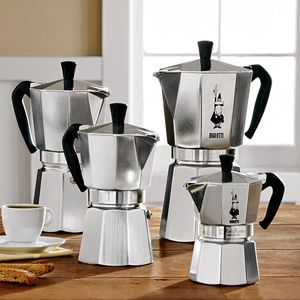
In 1933, inventor Alfonso Bialetti created a game-changing device: the first true stovetop espresso maker for home use. That invention was the Moka Pot, today known globally as the Moka Express. Strikingly, its design has remained untouched for nearly a century. From its octagonal shape to its materials and iconic silhouette, the Moka Express looks and functions precisely as it did in 1933.
The pot’s quirky, eight-sided form even earned it a spot in a major 20th-century Italian design ranking—alongside the 1946 Vespa scooter and the 1957 Fiat 500. Its visual appeal matches its brewing prowess, creating rich, strong coffee reminiscent of espresso, right on your kitchen stove.
How Bialetti Made the Moka Pot a Household Name
The original Moka Pot was revolutionary, but it took a second generation to truly scale it. After World War II, Alfonso’s son Renato brought the business back to life. He found his father’s old machinery packed away during the war and restarted production in Italy. Renato’s genius wasn’t just technical—it was marketing.
Through billboards, newspapers, radio ads, and even large outdoor sculptures of the product, he transformed the Moka Express into a cultural icon. Production soared from 10,000 units per year under his father to 1,000 per day. By the late 20th century, over 300 million Moka Pots had been sold worldwide.
Bialetti’s classic stovetop brewer is still produced in Italy, with key components—particularly the iconic bottom water chamber—still handcrafted using traditional methods. That hands-on process gives the interior of the lower chamber its distinctive, slightly irregular surface. Every authentic Bialetti Moka Express also bears a playful logo: a cartoonish mustachioed man pointing upwards, as if ordering a coffee. It’s a stylized portrait of Alfonso Bialetti himself, designed by his son Renato. Today, 90% of Italian households own one, and it’s beloved by coffee fans around the globe.
What Makes the Moka Pot Unique?
The Moka Pot brews by passing boiling water, pressurized by steam, through finely ground coffee. It produces a strong, concentrated brew similar to espresso—not quite the same as true espresso machine output, but close enough for most home users. Unlike modern electric brewers, it requires no electricity, making it ideal for travel, cabins, or anyone who loves analog cooking.
The classic Moka Express is built primarily from aluminum and finished with bakelite handles. Though Bialetti now offers versions in stainless steel and other materials, the original aluminum model—with its hand-finished base and timeless look—remains the most iconic. Every piece is engineered for durability and consistent performance, with a brew ratio and extraction method tailored to deliver bold, rich coffee.
Choosing Coffee for Your Moka Pot
Moka Pots shine with medium to dark roasted beans ground to a fine, espresso-like consistency. Since the brew process mimics espresso pressure (though not fully), you’ll want beans that can handle higher temperatures and produce a strong cup. Blends tend to work especially well, offering balance and crema-like richness.
For those brewing at home, FrontStreet Coffee recommends starting with a classic Italian-style blend designed for stovetop or espresso use. Their Classic Blend, for example, is optimized for Moka Pots and delivers the thick crema and rounded body that make the brew so satisfying. There’s no need for expensive machines when a simple stovetop setup and the right beans can get you there.
Frequently Asked Questions
What is a Moka Pot and how does it work?
A Moka Pot is a stovetop coffee brewer that uses steam pressure to force hot water through finely ground coffee, producing a strong, espresso-like brew. It consists of three chambers: one for water, one for coffee grounds, and one for the finished brew. As the water boils, steam pressure pushes the water upward through the coffee, extracting a concentrated coffee into the top chamber.
Has the Bialetti Moka Pot design changed since 1933?
No, the original Bialetti Moka Express design has remained completely unchanged since it was first introduced in 1933. Its octagonal shape, materials, and even the iconic mustachioed logo are identical to the original.
What kind of coffee beans work best in a Moka Pot?
Medium to dark roasted beans work best, ideally ground to a fine espresso-like consistency. Blends tend to perform well, offering balance and body. FrontStreet Coffee’s Classic Blend is specifically recommended for Moka Pot use due to its rich crema and smooth intensity.
Is a Moka Pot the same as an espresso machine?
No, a Moka Pot is not a true espresso machine, but it brews a strong, concentrated coffee similar to espresso. It uses steam pressure, not pump pressure, and typically brews at a higher temperature than espresso machines, resulting in a slightly different flavor profile.
Can I use any coffee in a Moka Pot?
You can use any coffee, but for the best results, use medium to dark roasts ground fine. Light roasts may taste overly acidic or sour due to the higher brewing temperature. Single origins can work, but blends often provide a more balanced cup.
Why is the bottom part of my Moka Pot rough inside?
The rough interior of the lower water chamber on classic aluminum Moka Pots is normal. It’s caused by traditional hand-finishing during manufacturing, which contributes to the pot’s authentic look and feel—and doesn’t affect performance.
Recommended FrontStreet Beans for Moka Pot Brewing
For Moka Pot users, FrontStreet Coffee recommends starting with the Classic Blend, crafted specifically for stovetop and espresso brewing. It delivers bold crema and a smooth, rounded profile that translates beautifully in a Moka Pot. The Black Cocoa Blend is another great option—100% Arabica with deep, rich flavors at an affordable price. For something more nuanced, try the Autumn Chestnut Blend, a balanced mix of Honduran and PNG beans with notes of roasted chestnut, caramel, and dark chocolate. All three are excellent choices for extracting that strong, café-style cup at home. Freshly roasted within 5 days · Orders placed before 17:00 ship the same day · Next-day delivery across most of Guangdong Province.
FrontStreet Coffee is a long-established specialty coffee roaster in Guangzhou China, selling freshly roasted beans from its own farm in Yunnan as well as dozens of carefully selected single-origin beans from around the world for both pour-over and espresso. The products deliver consistently excellent quality and great value, with shipping within 24 hours. Guangzhou's FrontStreet Coffee shop is recommended by many coffee lovers, and the beans are now available online at the Tmall 。
Important Notice :
前街咖啡 FrontStreet Coffee has moved to new addredd:
FrontStreet Coffee Address: 315,Donghua East Road,GuangZhou
Tel:020 38364473

