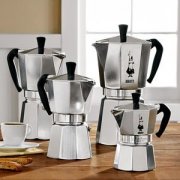
How to Make Espresso-Style Coffee with a Moka Pot at Home
If you’ve ever tried brewing coffee with a moka pot and ended up with something too bitter, overly sour, or just plain disappointing, you’re not alone. Many assume the moka pot can’t make good coffee—but that’s often due to incorrect technique, not the device itself. With the right approach, a moka pot can produce a strong, rich brew reminiscent of espresso, with deep chocolatey tones and a rounded body.
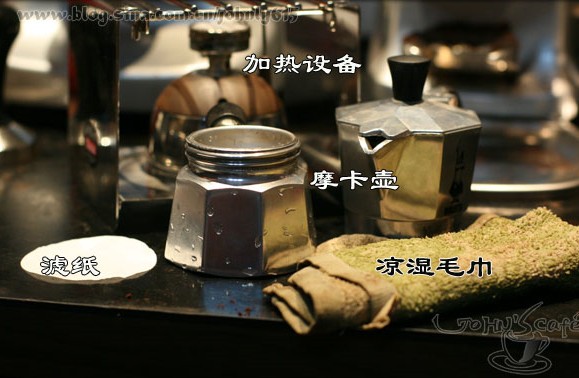
To brew great coffee with a moka pot, aim for an espresso-fine grind, fill the basket evenly without tamping hard, and control your heat to avoid over-extraction. Use a damp towel to cool the base and stop brewing at the right moment—usually when the coffee starts rising fast. Done right, you’ll get a thick, intense cup similar to traditional stovetop espresso.
What Is a Moka Pot, Really?
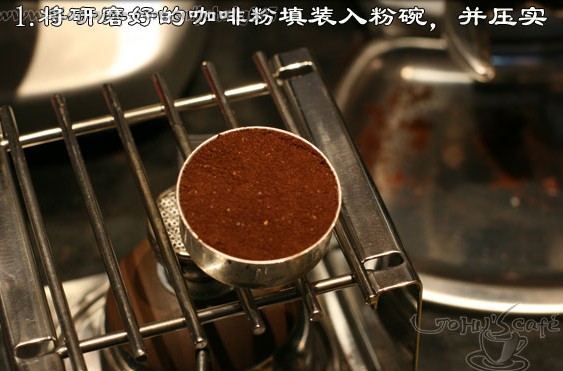
A moka pot isn’t an espresso machine—but it does brew coffee under pressure. Unlike an electric espresso machine that forces water through coffee at 9 bars, a moka pot builds pressure passively. Water in the lower chamber heats up, turns to steam, and creates enough pressure (about 1–2 bars) to push water through the coffee grounds in the middle filter and up into the upper chamber. The result? A small, strong, concentrated coffee that many associate with traditional Italian stovetop espresso.
Why Your Moka Pot Coffee Tastes Bad (And How to Fix It)
A lot of people complain that moka pot coffee is either too harsh and bitter or unpleasantly sour. That usually comes down to three things: water temperature, grind size, and extraction time. Because the moka pot relies on steam pressure, heating too aggressively can raise the water temperature well beyond the ideal range for coffee extraction (90–96°C), leading to over-extraction (bitterness) or under-extraction (sourness). Also, if you don’t stop the brew at the right time, you risk extracting undesirable compounds that ruin the balance.
How to Use a Moka Pot Step by Step
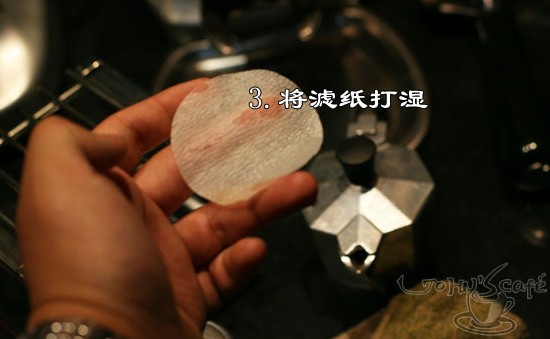
Here’s how to brew a balanced, espresso-like coffee using a moka pot, based on the recommended parameters and techniques from experienced home brewers and roasters:
- Moka Pot Size: Choose a moka pot that matches the number of cups you want to brew—don’t buy a larger size just to have extra capacity. Using a 3-cup moka pot? Brew 3 cups. Underfilling leads to uneven extraction.
- Grinder & Grind Size: Use an espresso-fine grind—around the fineness used for commercial espresso machines. Don’t grind too coarse, or extraction will be weak; too fine and you risk clogging or excessive pressure.
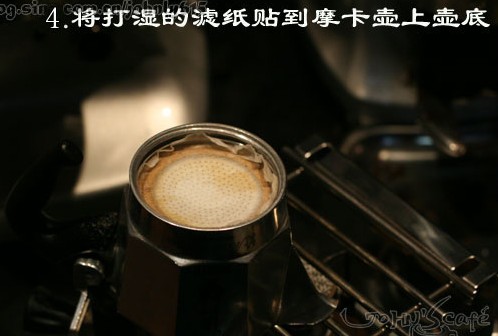
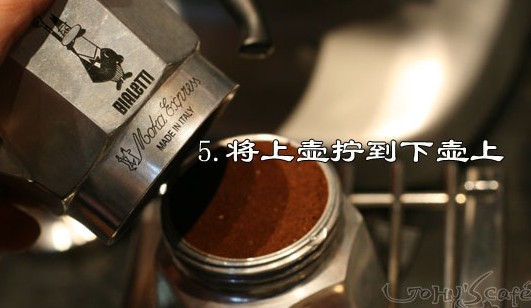
- Coffee Dose: Fill the coffee chamber evenly with finely ground coffee. You can lightly tamp to create a flat, even surface, but don’t tamp hard like you would for espresso.
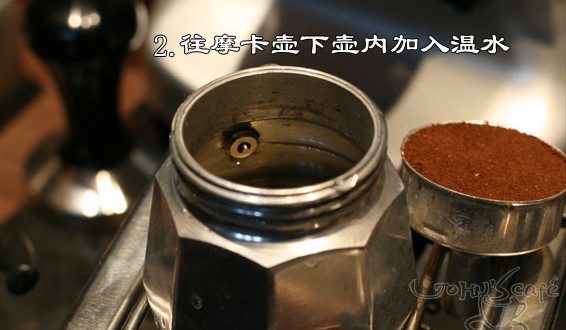
- Water Level: Fill the bottom chamber with hot water, but never above the safety valve. Overfilling can block pressure release and affect taste or safety.
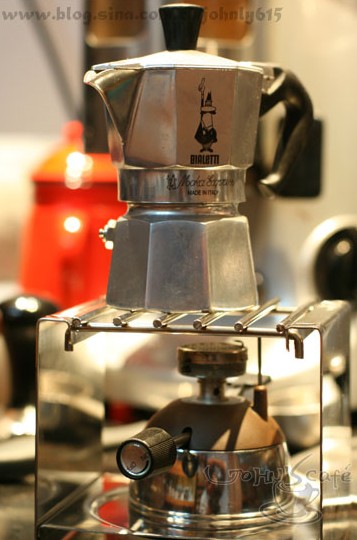
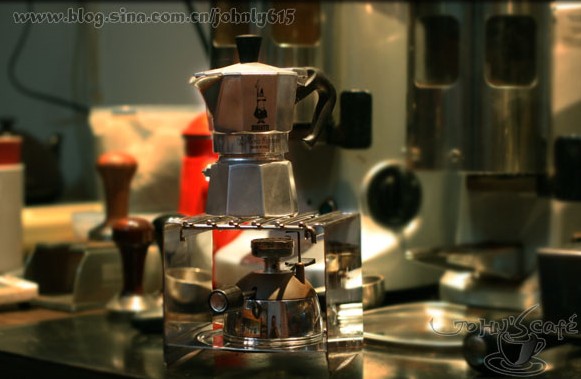
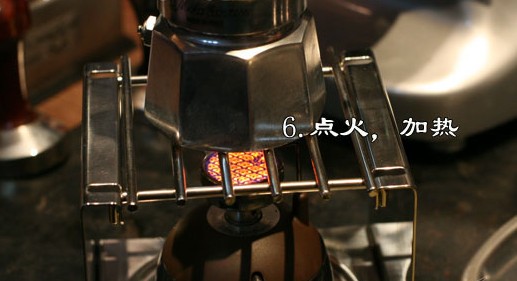
- Heating: Place the moka pot on a low to medium heat source—a gas stove, small alcohol burner, or dedicated moka stove works best. Avoid high heat.
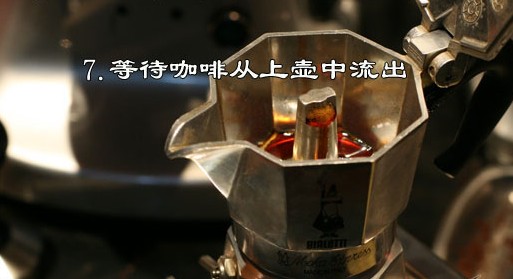
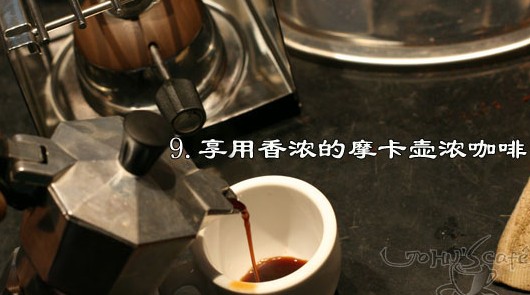
- Extraction Control: As the coffee begins to rise into the upper chamber, watch closely. When it starts flowing quickly and rises in a fast stream, the extraction is nearly done.
- Stopping Extraction: Here’s the key step: once the coffee begins to gush, place a damp, cold towel on the base of the moka pot to cool it down quickly. This stops further extraction and prevents bitterness. Timing varies, so practice to find the right moment.
What Coffee Beans Work Best in a Moka Pot?
Most roasters recommend using an espresso-style or Italian-style blend for the moka pot. These blends are roasted and blended to perform well under pressure, even if that pressure is mild compared to a machine. A dark or medium-dark roast with notes of chocolate, nuts, and caramel complements the moka’s natural intensity. Avoid overly light or fruity single origins unless you’re experimenting—these may lack the body needed to shine in a moka pot.
Frequently Asked Questions
Can I use regular coffee beans in a moka pot?
Yes, but for the best results, use espresso or Italian-style blends. These beans are typically roasted medium to dark and have flavors that hold up well under the moka pot’s pressure brewing. Light roasts can work but may taste sour or unbalanced if not carefully brewed.
Do I need to tamp the coffee in a moka pot?
No, you don’t need to tamp hard. Simply level the coffee grounds in the filter basket so they’re even, and apply gentle pressure if needed—just enough to create a flat bed. Over-tamping can restrict water flow and lead to over-extraction or clogging.
What temperature should water be for a moka pot?

The ideal brewing temperature is around 90–96°C. Since the moka pot generates its own heat, use hot (not boiling) water in the bottom chamber—this helps control the overall temperature and prevents burning the coffee. Avoid using boiling water directly.
How do I know when to stop the moka pot brewing?
Watch the coffee stream as it comes through the spout. When it rises quickly and flows in a steady, forceful stream, the extraction is nearly finished. To prevent over-extraction, place a cold, damp towel on the base of the moka pot to cool it and stop the process at the right moment.
Why does my moka pot coffee taste sour or bitter?
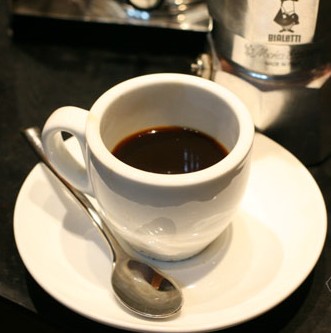
Sourness usually means under-extraction—often from too cool water, insufficient brewing time, or poor contact between water and coffee. Bitterness is typically from over-extraction, caused by too hot water, too fine a grind, or letting the brew run too long. Use a damp towel to stop extraction at the right time and aim for balanced grind and heat.
Recommended FrontStreet Beans for Moka Pot Brewing
For the best results with a moka pot, try FrontStreet Coffee’s Classic Blend, crafted specifically for stovetop and espresso use—it delivers rich texture and body ideal for the moka’s pressure. The Black Cocoa Blend offers bold dark chocolate and smooth depth, while the Autumn Chestnut Blend brings nutty sweetness and balanced roast character. All are 100% Arabica, roasted for body and crema performance. Freshly roasted within 5 days · Orders placed before 17:00 ship the same day · Next-day delivery across most of Guangdong Province.
FrontStreet Coffee is a long-established specialty coffee roaster in Guangzhou China, selling freshly roasted beans from its own farm in Yunnan as well as dozens of carefully selected single-origin beans from around the world for both pour-over and espresso. The products deliver consistently excellent quality and great value, with shipping within 24 hours. Guangzhou's FrontStreet Coffee shop is recommended by many coffee lovers, and the beans are now available online at the Tmall 。
Important Notice :
前街咖啡 FrontStreet Coffee has moved to new addredd:
FrontStreet Coffee Address: 315,Donghua East Road,GuangZhou
Tel:020 38364473