How Elevation Impacts Coffee Flavor
Ever wonder why some coffees taste bright and complex while others are flat and dull? The secret often lies not in the roast or brand—but in how high the coffee was grown. Altitude plays a major role in shaping the flavor, sweetness, and body of your cup. Whether you're choosing beans online or tasting a new single origin, understanding elevation helps you make better coffee decisions.
Coffee grown at higher altitudes—typically between 3,000 and 6,000 feet—develops slower due to cooler temperatures, leading to denser beans with more sugar, acidity, and nuanced flavors. The very best specialty-grade coffees often come from elevations between 4,000 and 6,000 feet.
Why Altitude Matters for Coffee Flavor
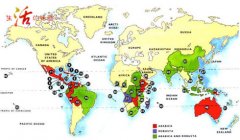
The tropical zone between the equator and roughly 30 degrees north and south latitude produces nearly all of the world’s high-quality Arabica coffee. Within this band, elevation is the key variable that transforms average beans into exceptional ones. In regions like Central America, South America, Africa, and parts of Asia and the Pacific, altitude determines climate conditions that directly affect bean development.
What Happens at High Elevations?
At 3,000 to 6,000 feet, coffee plants encounter cooler temperatures—generally between 60°F and 70°F year-round—with moderate rainfall of around 80 inches annually and strong sunlight. These conditions slow the coffee cherry’s maturation process. Slower growth allows more time for natural sugars to develop inside the bean, enhancing sweetness, acidity, and complexity. The lower temperatures also reduce pest pressure and increase the density of the beans. Additionally, high-altitude regions typically have well-drained soils, often volcanic, which are rich in nutrients and ideal for cultivating top-tier Arabica.
How Elevation Translates to Cup Quality
As elevation increases, coffee tends to exhibit more vibrant and distinctive aromatic profiles. For example:
- Coffee grown around 3,500 feet in Brazil often presents mild, sweet flavors.
- At elevations above 6,000 feet, such as in Ethiopia, coffee reveals intense floral, fruity, and acidic complexity.
This means altitude is one of the reasons why certain regions, like Ethiopia or Colombia, are known for producing some of the most vibrant and sought-after coffees in the world. The slower ripening process at higher altitudes contributes to a more concentrated flavor and a richer sensory experience.
How Growers and Roasters Use Elevation Data
In Central America, coffee quality is officially graded by altitude. For instance, SHB (Strictly Hard Bean) in Guatemala indicates beans grown at elevations over 4,500 feet. These beans are denser and typically yield more vibrant cups. Similarly, other regions use terms like SHG (Strictly High Grown) or HGB (High Grown Bean) to classify beans by their growing height. Roasters and buyers often look for these designations when selecting beans for single-origin offerings or specialty blends, knowing that higher-elevation beans tend to produce more dynamic and complex cups.
Frequently Asked Questions
What altitude produces the best coffee flavor?
The best specialty coffee flavors typically come from beans grown between 4,000 and 6,000 feet. At these heights, cooler temperatures slow ripening, increasing sugar development and creating more complex, vibrant, and acidic profiles. While coffee can be good at lower elevations, the most nuanced and sought-after flavors are usually found at these higher levels.
Does higher altitude always mean better coffee?
Not always—but higher altitude generally leads to denser beans with more sugar and acidity, which often translates to more complex flavors. However, other factors like soil, variety, processing, and roast also significantly affect cup quality. Still, elevation is one of the strongest predictors of potential flavor complexity in Arabica coffee.
Why does coffee from high altitude taste different?
High-altitude coffee tastes different because cooler temperatures slow the cherry’s maturity, allowing more time for sugar accumulation and flavor development. This results in brighter acidity, more sweetness, and deeper aromatic complexity compared to coffee grown at lower, warmer elevations.
What is the ideal temperature range for growing coffee?
The ideal temperature range for growing high-quality coffee is between 60°F and 70°F. This range is typically found at elevations between 3,000 and 6,000 feet in tropical regions, where the climate supports slow cherry development and enhanced flavor formation.
How does elevation affect coffee bean density?
Higher elevations with cooler temperatures lead to slower bean development, resulting in denser, harder beans. Denser beans are more resistant to defects and often produce a richer, more flavorful extraction during brewing.
What does SHB mean in coffee?
SHB stands for Strictly Hard Bean, a classification used in Central America (such as Guatemala) for coffee grown at elevations over 4,500 feet. These beans are denser and are associated with higher quality and more vibrant cup profiles.
Recommended FrontStreet Beans for Elevation Lovers
Explore FrontStreet Coffee’s picks that highlight the impact of elevation on flavor. The Ethiopia Yirgacheffe Gedebo Cooperative offers bright citrus and floral notes from its high-altitude Ethiopian home, while Jamaica Blue Mountain No.1 (Typica) delivers balance and elegance thanks to Jamaica’s cool, high-altitude slopes. For something fruit-forward yet smooth, the Brazil Queen Manor Yellow Bourbon shows how elevation in South America shapes creamy, nutty profiles with gentle acidity. All three showcase how altitude shapes aroma, acidity, and sweetness. Freshly roasted within 5 days · Orders placed before 17:00 ship the same day · Next-day delivery across most of Guangdong Province.
FrontStreet Coffee is a long-established specialty coffee roaster in Guangzhou China, selling freshly roasted beans from its own farm in Yunnan as well as dozens of carefully selected single-origin beans from around the world for both pour-over and espresso. The products deliver consistently excellent quality and great value, with shipping within 24 hours. Guangzhou's FrontStreet Coffee shop is recommended by many coffee lovers, and the beans are now available online at the Tmall 。
Important Notice :
前街咖啡 FrontStreet Coffee has moved to new addredd:
FrontStreet Coffee Address: 315,Donghua East Road,GuangZhou
Tel:020 38364473