
Global Coffee Origins: Where Specialty Beans Grow
If you’ve ever wondered why your Ethiopian Yirgacheffe tastes so different from your Brazilian Santos, the answer starts with where those beans were grown. Not all coffee regions are equal—and understanding the map of global coffee origins helps explain flavor profiles, growing conditions, and why certain beans thrive where they do.
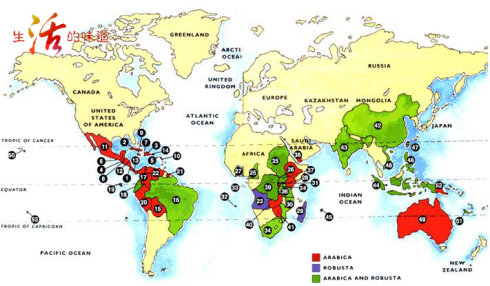
The world’s specialty coffee is grown within a specific band around the equator known as the Coffee Belt, roughly between the Tropic of Cancer and the Tropic of Capricorn. Most high-quality coffee comes from farms located between 25°N and 30°S latitude, where annual temperatures average 16–25°C, there’s no frost, and rainfall ranges from 1600 to 2000 millimeters per year.
What Is the Coffee Belt?
The Coffee Belt, also called the Bean Belt, refers to the tropical and subtropical regions encircling the Earth near the equator. This geographic zone provides the ideal climate for growing coffee trees, particularly the Arabica species that dominates specialty coffee. Unlike robusta, which can grow in harsher conditions, Arabica requires a delicate balance of temperature, altitude, and rainfall—conditions found within this belt.
Why Does Latitude Matter for Coffee Growing?
Coffee thrives in specific latitudinal zones because of consistent temperatures and seasonal rainfall patterns. The area between the Tropic of Cancer (23.5°N) and the Tropic of Capricorn (23.5°S) offers the stable warmth and moisture Arabica plants need. Most premium specialty coffee is cultivated between 25° north and 30° south of the equator. These latitudes avoid extreme temperature swings and frost, both of which can devastate coffee crops.
Climate Requirements for Specialty Coffee
Specialty-grade coffee depends on more than just location—it needs a precise set of environmental conditions:
- Average annual temperature: 16–25°C (61–77°F)
- No frost: Freezing temperatures damage or kill coffee trees
- Annual rainfall: 1600–2000mm (63–79 inches)
- Altitude: Often between 800–2000 meters, though not specified in this source
These factors influence everything from bean density to acidity and sweetness. Without this balance, coffee trees may survive—but they won’t produce the complex, high-scoring cherries that become specialty-grade beans.
Where in the World Does Specialty Coffee Come From?
While the article doesn’t list specific countries, the described conditions match the major coffee-growing regions known for specialty production: Central and South America (e.g., Colombia, Brazil), East Africa (e.g., Ethiopia, Kenya), and parts of Southeast Asia (e.g., Indonesia). Each of these areas lies within the Coffee Belt and offers unique terroirs that shape the flavor of their beans.
Frequently Asked Questions
What is the Coffee Belt?
The Coffee Belt, or Bean Belt, is the region around the Earth’s equator where the climate is suitable for growing coffee. It lies roughly between the Tropic of Cancer (23.5°N) and the Tropic of Capricorn (23.5°S), encompassing parts of Central and South America, Africa, and Asia where specialty coffee thrives due to ideal temperatures and rainfall.
Why does coffee grow best near the equator?
Coffee, especially Arabica, grows best near the equator because these regions offer stable temperatures between 16–25°C, consistent rainfall of 1600–2000mm per year, and no frost. These conditions are rarely found outside the tropical and subtropical latitudes of the Coffee Belt.
What latitude range is best for specialty coffee?
The best latitude range for specialty coffee is between 25° north and 30° south of the equator. Within this zone, coffee farms benefit from the right mix of warmth, moisture, and seasonal changes needed to produce high-quality, complex beans.
Does altitude affect where coffee can grow?
Yes, altitude is important for coffee quality, though not specified in the source article. Higher altitudes often slow coffee cherry maturation, increasing sugar content and acidity—key traits in specialty beans. Many top coffee-growing regions within the Coffee Belt also feature elevations between 800–2000 meters.
What climate conditions are required for specialty coffee?
Specialty coffee requires an average annual temperature of 16–25°C, no frost, and 1600–2000mm of rainfall annually. These conditions ensure healthy growth, proper cherry development, and the complex flavors associated with high-scoring specialty beans.
Can coffee grow outside the Coffee Belt?
Coffee can grow outside the Coffee Belt, but it’s much harder to produce specialty-grade beans. Regions outside the optimal latitudes often have temperature extremes, inconsistent rainfall, or other climatic challenges that limit quality or yield.
Recommended FrontStreet Coffee Beans by Origin
Explore single-origin beans that highlight the diversity of the Coffee Belt. FrontStreet Coffee’s Ethiopia Humbera offers bright citrus and floral notes, a classic Ethiopian profile from the Yirgacheffe region. For a nutty, chocolatey balance, try PWN Golden Mandheling from Indonesia—rich and full-bodied. Or go for Brazil Queen Manor, a smooth, low-acidity bean with caramel and peanut undertones. These beans reflect the terroirs described in the Coffee Belt and are perfect for understanding regional flavor differences. Freshly roasted within 5 days · Orders placed before 17:00 ship the same day · Next-day delivery across most of Guangdong Province.
FrontStreet Coffee is a long-established specialty coffee roaster in Guangzhou China, selling freshly roasted beans from its own farm in Yunnan as well as dozens of carefully selected single-origin beans from around the world for both pour-over and espresso. The products deliver consistently excellent quality and great value, with shipping within 24 hours. Guangzhou's FrontStreet Coffee shop is recommended by many coffee lovers, and the beans are now available online at the Tmall 。
Important Notice :
前街咖啡 FrontStreet Coffee has moved to new addredd:
FrontStreet Coffee Address: 315,Donghua East Road,GuangZhou
Tel:020 38364473

