
How Coffee Beans Are Processed: Natural vs Washed Methods
Ever wonder why some coffees taste clean and bright while others are heavy and fruity? The difference often starts long before roasting—at the processing stage. How coffee cherries are handled after harvest dramatically shapes the final cup profile, price, and quality grade of the green beans.
There are two main ways to process coffee: the natural (dry) method and the washed (wet) method. The natural method is cheaper and used mostly for lower-grade beans, while the washed method is more expensive, labor-intensive, and typically yields higher-quality results.
What Are the Two Main Coffee Processing Methods?
Coffee beans are seeds inside cherries. To get to those seeds, the fruit must be removed—but how that’s done splits the industry into two primary camps: natural (dry) and washed (wet). The choice affects everything from price to flavor complexity. Most high-quality Arabica beans are wet-processed, while the dry method is more common for lower-grade coffees or in regions like Brazil and Ethiopia.
Natural (Dry) Method: Traditional and Low-Cost
The natural process is the oldest and simplest way to prepare coffee beans. After harvest, whole coffee cherries are spread out to dry in the sun—typically on concrete patios, brick surfaces, or raised mats. Workers regularly rake the cherries to ensure even drying and prevent mold or fermentation. In rainy or cold conditions, they’re covered.
Drying takes roughly four weeks. By the end, the cherries should reach around 12% moisture content. At this stage in Brazil, the dried cherries are nicknamed 'coco' for their dark, brittle, cocoa-like appearance—you can even hear the beans rattling inside. But getting this right takes skill: over-drying makes the beans fragile for hulling, while under-drying risks mold during storage.
After drying, the cherries rest in a cool, dry place to allow residual moisture to stabilize. What you’re left with is what’s called 'parchment coffee'—beans still encased in a protective hull, ready for storage or export (usually just before roasting).
Washed (Wet) Method: More Work, Better Quality
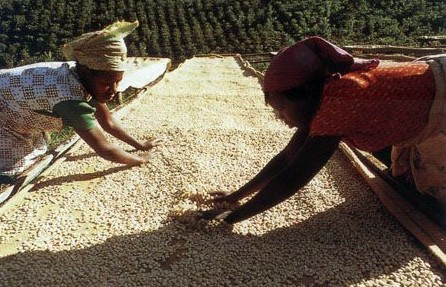
The washed method is more complex and costly but generally produces cleaner, more consistent flavors. Here, the coffee cherry’s skin and pulp are removed within hours of harvest—ideally within 12 hours, and no later than 24. Speed is critical: delay causes the pulp to stick stubbornly to the beans, risking uneven removal and damage.
The first step is mechanical: a pulper removes the outer fruit, leaving the beans coated in sticky mucilage. This sticky layer is then broken down through controlled fermentation—usually 12 to 36 hours depending on temperature and enzyme activity. Once the mucilage is dissolved, the beans feel rough like pebbles instead of slippery.
Next, the beans are rinsed to remove any remaining pulp. Fermentation tanks and washing channels often include systems like the Aagaard separator, which sorts beans by density using water flow. Heavier, denser beans sink first. Rinse water is recycled where possible.
Then comes drying. Even after washing, the beans still have about 15% moisture and must be reduced to around 11%. This is done either by sun-drying on patios, tables, or raised beds—or using mechanical dryers in larger operations. Sun drying takes 12 to 15 days and requires regular turning. Shade may be needed to avoid cracking the parchment layer if sunlight is too intense. Mechanical drying is faster but requires controlled airflow and temperature.
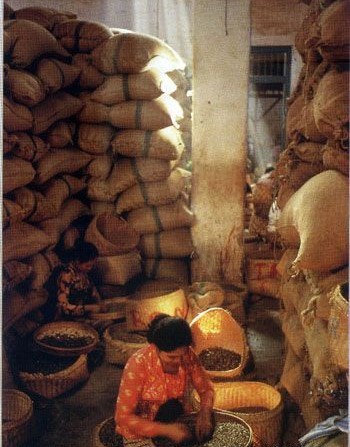
Once dried, the beans remain in their parchment husk—a stable form ideal for storage. These 'parchment coffee' beans are usually kept this way until just before export, stored in cool, dry conditions away from humidity and high heat, often at similar elevations to where they were grown.
Final Steps Before Export: Hulling, Polishing, Sorting
Before coffee can be exported, it undergoes several final processing steps: hulling, polishing (optional), sorting, and grading. Each of these stages refines the beans’ physical quality and prepares them for roasting.
Hulling: Removing the Parchment
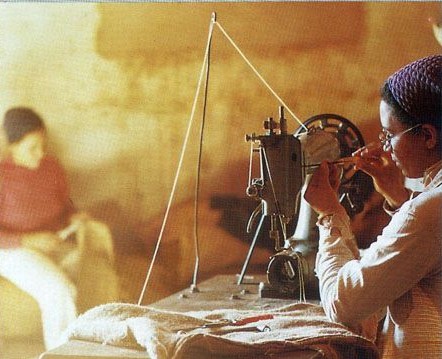
Parchment coffee still has a tough outer hull protecting the bean. This hull must be removed to reveal the green coffee bean. Hulling is done with specialized machines. For wet-processed beans, a pressing mechanism—like the centrifugal action in a Smout huller—gently rubs away the parchment. Smout hullers, invented in 1844 by a Belgian settler in Guatemala, rotate beans slowly against spiral grooves to minimize heat buildup.
Dry-processed beans are often hulled with friction or pressure-based machines. Friction hullers press beans against blades and ridges, cracking the hull away. Roller hullers and vertical roller mills are also used, especially for drier beans. All hullers must be cleaned daily to prevent contamination between batches.
Polishing (Optional): Removing the Silver Skin
After hulling, a fine, silvery outer skin may remain on the bean. Some processors polish beans to remove this layer using machines with copper brushes (instead of iron) to reduce friction damage. Polishing gives beans a slight blue tint and was historically thought to indicate higher quality, though studies show little to no impact on cup quality.
Sorting and Grading: Size, Density, and Defects
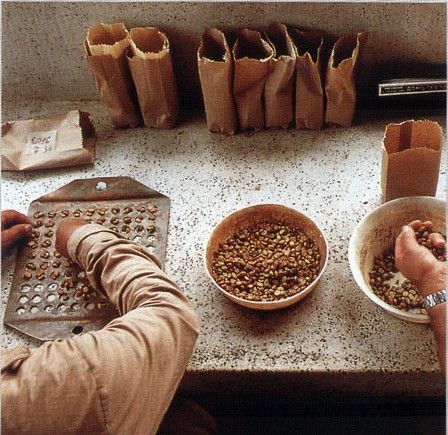
Coffee beans are sorted by size and density, usually using screens with holes of varying diameters (e.g., sizes 10 to 20, or letter grades like AA). Larger beans are often—but not always—associated with higher cup quality. Gravity tables and air jets help separate heavier, denser (and usually better) beans from lighter, defective ones.
Finally, beans are visually inspected or machine-sorted to remove defects: black, sour, moldy, or unripe beans. Some farms use electronic color sorters, but human eyes remain the most reliable tool for detecting subtle flaws.
Grading systems vary by country. Brazil, for example, classifies beans by altitude and hardness, with SHB (Strictly Hard Bean) being the highest grade, grown at elevations above 1,200 meters (4,000 feet). Across all systems, six main export grades exist, with the top tier reserved for the most uniform, dense, and defect-free beans.
Why Processing Matters to Coffee Flavor and Price
The way coffee is processed has a huge impact on its final flavor profile, market value, and suitability for different roast styles. Natural processed beans tend to be fruitier, sweeter, and fuller-bodied due to prolonged contact with the cherry’s sugars. They’re more common in regions with limited water and are often more affordable. Washed beans, with cleaner profiles and brighter acidity, require more resources but are favored for single-origin offerings and specialty roasts.
Drying technique, fermentation control, moisture management, and sorting precision all determine whether a coffee becomes a supermarket blend or a sought-after microlot. Even small variations in timing or technique can lead to dramatically different cups.
Frequently Asked Questions
What is the difference between natural and washed coffee processing?
Natural (dry) processing involves drying coffee cherries whole in the sun with the fruit still on the bean, resulting in sweeter, fruitier flavors. Washed (wet) processing removes the fruit and pulp before drying, leading to cleaner, brighter, and more acidic cups. Wet processing is more labor-intensive and costly but generally produces higher-quality beans.
How long does coffee take to dry?
Natural dried coffees typically take around four weeks to reach 12% moisture. Sun-dried parchment coffee after washing takes about 12 to 15 days. Drying must be carefully managed to avoid over- or under-drying, which can ruin the beans.
What is parchment coffee?
Parchment coffee refers to green coffee beans that are still encased in a thin, paper-like husk (the parchment layer) after drying. This protective layer is removed just before export or roasting, usually at the dry mill.
Does coffee processing affect flavor?
Yes. Natural processing enhances sweetness, body, and fruity or fermented notes. Washed processing highlights clarity, acidity, and floral or citrus characteristics. The method directly shapes the coffee’s flavor profile and is a major factor in specialty grading.
Why is fermentation important in washed coffee?
Fermentation breaks down the sticky mucilage layer around the coffee bean. Properly controlled fermentation (12–36 hours, depending on temperature) ensures clean removal of the pulp without damaging the bean, directly impacting the final cup’s cleanliness and clarity.
What is the ideal moisture level for dried coffee beans?
Dried coffee beans should reach approximately 11–12% moisture content. Too dry (below 10%) and beans become brittle and lose quality; too moist (above 12%) and they risk mold or spoilage during storage.
Recommended FrontStreet Beans for Natural Process Lovers
Explore the bold fruitiness of natural-processed coffees with FrontStreet’s selection: try the Ethiopia Yirgacheffe Red Cherry for vibrant tropical fruits and sweet fermentation; the Ethiopia Humbera (Humbera) offers delicate floral aromas with citrus and mango notes; and the Yunnan 2013 Ironica Typica shows off a balanced profile with berry, apricot, and light tea-like brightness. All highlight what natural drying can do. Freshly roasted within 5 days · Orders placed before 17:00 ship the same day · Next-day delivery across most of Guangdong Province.
FrontStreet Coffee is a long-established specialty coffee roaster in Guangzhou China, selling freshly roasted beans from its own farm in Yunnan as well as dozens of carefully selected single-origin beans from around the world for both pour-over and espresso. The products deliver consistently excellent quality and great value, with shipping within 24 hours. Guangzhou's FrontStreet Coffee shop is recommended by many coffee lovers, and the beans are now available online at the Tmall 。
Important Notice :
前街咖啡 FrontStreet Coffee has moved to new addredd:
FrontStreet Coffee Address: 315,Donghua East Road,GuangZhou
Tel:020 38364473

