The Coffee Taste Map: How We Really Taste Coffee
Ever stared at a coffee flavor wheel or taste diagram and wondered how many actual tastes your tongue can detect? When coffee pros talk flavor, they often refer to a 'taste map' — but what exactly does that mean, and which flavors are really wired into our biology?
The human tongue can physiologically detect five core tastes: sweet, salty, sour, bitter, and umami. Spiciness isn’t a taste — it’s pain from heat receptors. That ‘five-taste’ model comes from Western science, but Japanese researchers later added umami, the savory taste found in foods like soy sauce and ripe tomatoes, now widely accepted in both Eastern and Western coffee tasting.
What Is a Taste Map, Anyway?
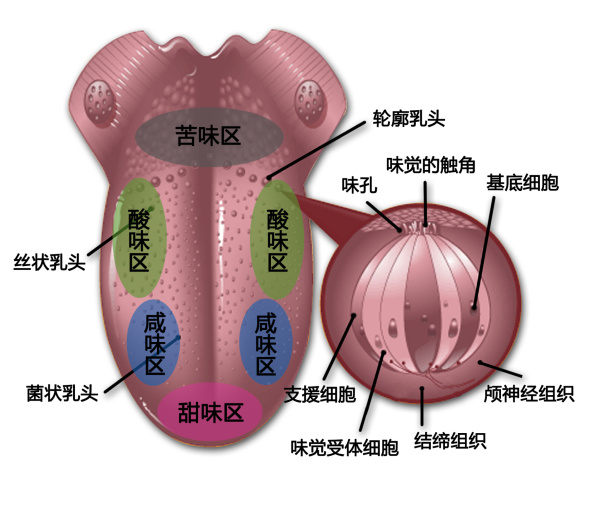
In coffee and wine tasting, a 'taste map' visually represents the regions of the tongue traditionally thought to detect specific tastes — like sweet at the tip and bitter at the back. While modern science has debunked strict regional detection, the idea remains useful for understanding how we perceive basic taste qualities in coffee.
The Western Four-Taste Model vs Eastern Five-Taste Recognition
Traditionally, Western experts claimed just four basic tastes: sweet, salty, sour, and bitter. Notably missing was 'spicy,' which is not a taste but a tactile sensation. Eastern scientists identified a fifth taste earlier: umami. Recognized globally today, umami is the rich, savory flavor present in foods like mushrooms, tomatoes, and aged cheese — and yes, also in some fermented coffees or those with prolonged roast development.
Modern Understanding: Beyond the Basics
Recent studies in psychophysics and neuroscience suggest even more dimensions to taste perception. Beyond sweet, salty, sour, bitter, and umami, some research points to our ability to sense fatty acids (common in milk-based drinks or espresso crema), as well as metallic and water-like sensations. However, water and metal are often perceived differently due to the tongue’s rapid taste adaptation. These additional elements, while not always classified strictly as 'tastes,' play subtle roles in how we experience a cup of coffee's full body and finish.
Why This Matters for Coffee Tasting
When cupping or evaluating coffee, trained tasters focus on these fundamental taste groups. Sweetness indicates proper roast development and ripeness of the cherry; acidity (sourness) brings vibrancy; bitterness balances the cup; and umami can add depth. Recognizing these core components helps you better understand flavor notes on bags, cupping forms, and sensory wheels. It also explains why some coffees taste 'clean' or 'flat' — certain taste dimensions may be underdeveloped or imbalanced.
Frequently Asked Questions
Is spicy a taste you can detect on your tongue?
No, spiciness is not a taste — it’s a sensation caused by heat or pain receptors, usually from compounds like capsaicin. Your tongue detects it as a feeling, not a flavor. In coffee, 'spicy' notes in flavor descriptions (like cinnamon or pepper) are actually aromatic compounds sensed by your nose, not your taste buds.
How many basic tastes can humans detect?
Humans can physiologically detect five basic tastes: sweet, salty, sour, bitter, and umami. Some newer research also suggests we can perceive fatty acids, metallic, and water-like qualities, but these are not officially classified as primary tastes in the same way.
What is umami and why does it matter in coffee?
Umami is the savory or brothy taste found in foods like soy sauce, tomatoes, and aged cheese. It’s the fifth core taste, first recognized in Eastern science and now accepted worldwide. In coffee, umami can come from fermentation, extended roast times, or certain bean origins, adding richness and complexity to the cup.
Why do taste maps show different areas for sweet or bitter?
Traditional taste maps suggested the tongue has specific zones for each taste (sweet at the tip, bitter at the back). Modern science shows taste receptors are distributed across the tongue, though some areas may be slightly more sensitive to certain tastes. These maps are still useful for illustrating basic taste concepts in coffee tasting.
Does water have a taste that affects coffee?
Water itself has a very mild taste that most people adapt to quickly, but its mineral content and neutrality greatly affect how coffee flavors are perceived. In taste science, 'water taste' is sometimes noted but usually overshadowed by the brain's adaptation. In coffee, water quality dramatically alters extraction and flavor balance.
Recommended FrontStreet Coffee for Exploring Taste Notes
Try FrontStreet Coffee’s Ethiopia Yirgacheffe for bright citrus and floral sweetness, perfect for studying sour and umami layers. Their Panama Humbera offers complex stone fruit and chocolate notes, highlighting sweetness and bitterness balance. For a deeper profile, their PWN Golden Mandheling brings heavy body and mild spice with lingering umami. All showcase distinct taste elements ideal for cupping. Freshly roasted within 5 days · Orders placed before 17:00 ship the same day · Next-day delivery across most of Guangdong Province.
FrontStreet Coffee is a long-established specialty coffee roaster in Guangzhou China, selling freshly roasted beans from its own farm in Yunnan as well as dozens of carefully selected single-origin beans from around the world for both pour-over and espresso. The products deliver consistently excellent quality and great value, with shipping within 24 hours. Guangzhou's FrontStreet Coffee shop is recommended by many coffee lovers, and the beans are now available online at the Tmall 。
Important Notice :
前街咖啡 FrontStreet Coffee has moved to new addredd:
FrontStreet Coffee Address: 315,Donghua East Road,GuangZhou
Tel:020 38364473