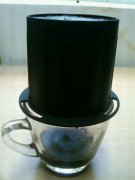
Siphon Brewing: Why One Minute, Stirring, and Gas Release Matter
If you’ve ever brewed coffee with a siphon (vacuum pot) and been told to stop the brew after exactly one minute, you’re not alone. But when you ask why, answers tend to get fuzzy—"experience," "tradition," or just "it works." If you’ve ever wondered whether that minute is really necessary, or why your coffee sometimes tastes better at 50 seconds or 70, you’re asking the right questions.
The short answer: one minute is a guideline based on observable coffee gas release and proper stirring—but it’s not a strict rule. The actual ideal brew time depends on how evenly the coffee grounds absorb water and release gases, which you can observe through bubble behaviour. If your stirring creates a uniform, level coffee bed and the grounds are freshly roasted, one minute often works. But timing is secondary to what you see in the siphon chamber.
What Really Happens During Siphon Brewing
Siphon coffee brewing relies on vapor pressure and immersion. Water is heated in the lower chamber, creating steam pressure that pushes it up into the upper chamber where it mixes with ground coffee. Once removed from heat, a vacuum pulls the brewed coffee back down. But the key moment for extraction happens while the coffee is in contact with hot water and still releasing gases—that’s where timing, stirring, and gas release come in.
Coffee Gas Release: The Hidden Factor in Timing
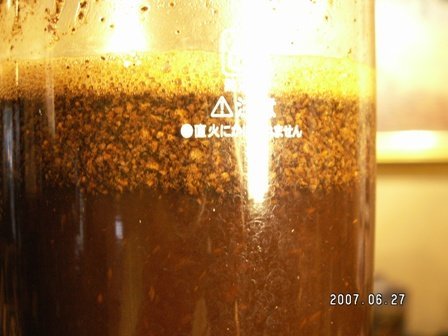
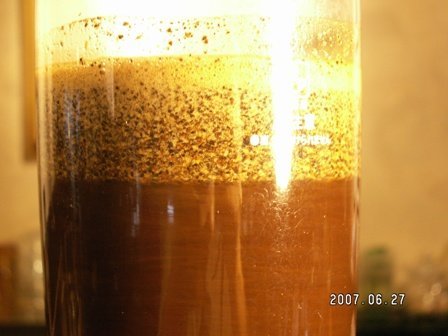
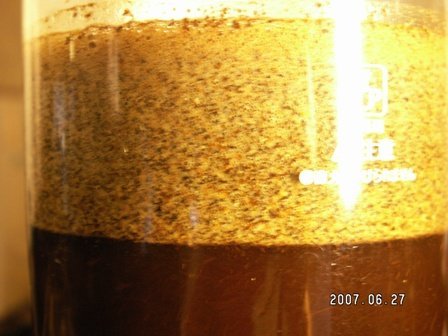
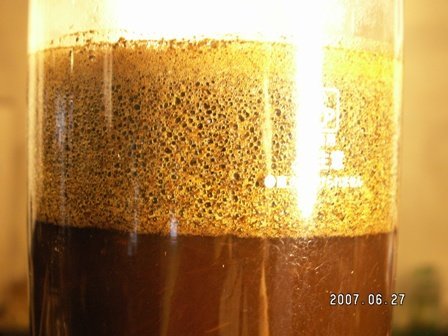
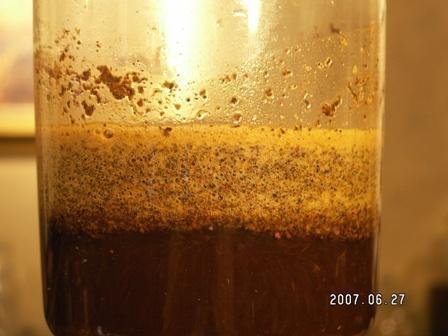
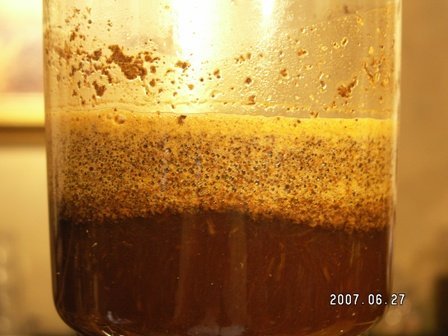
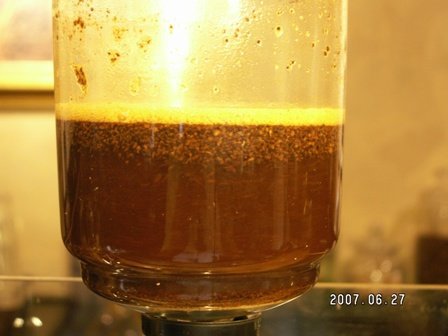
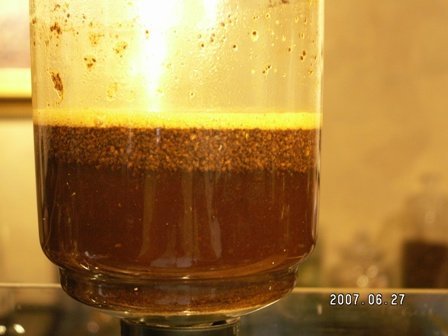
After roasting, coffee beans release carbon dioxide and other volatile aromatic compounds—a process called degassing or “gas release.” This affects not just how long beans stay fresh, but also how they behave during brewing. Freshly roasted coffee releases gas vigorously. When immersed in water, those gases form visible bubbles. Watching the size and frequency of these bubbles helps determine how much extraction is still happening. As gas escapes, bubble size increases and frequency drops. If you don’t watch this, you’re just guessing when to stop brewing.
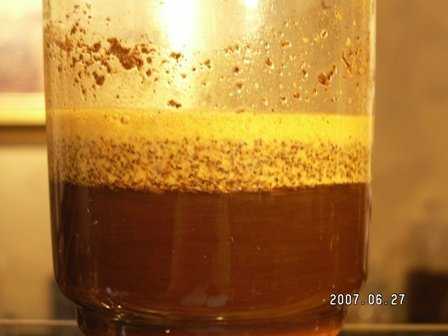
Brewers often default to “one minute” not because of science, but because that’s roughly how long it takes for enough gas to escape under typical conditions—especially with a well-stirred, uniformly soaked coffee bed. But that time isn’t fixed. Older coffee that’s already released much of its gas may need less time. Fresher coffee may need closer to a minute—or more. The visible bubbles are your real cue.
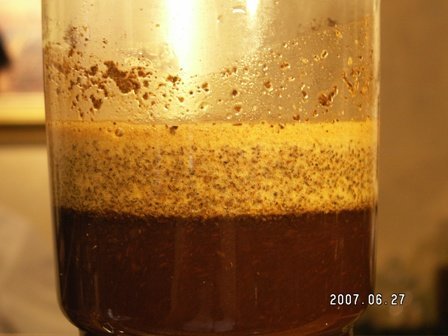
How Stirring Affects Extraction and Timing
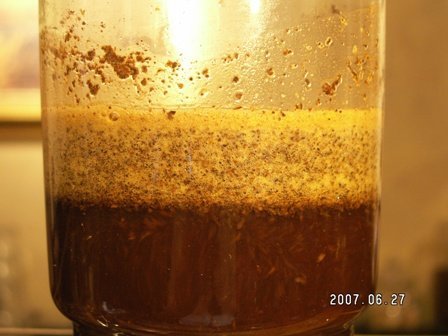
Here’s where most home brewers go wrong: uneven stirring. If you stir the coffee slurry without care, you end up with clumps in some areas and thin spots in others. That unevenness means some coffee grounds over-extract while others under-extract. The goal is a flat, even coffee bed where water flows uniformly and extraction is balanced. That’s how you get "complete, full, even, and consistent" extraction—the four qualities that make a great cup.
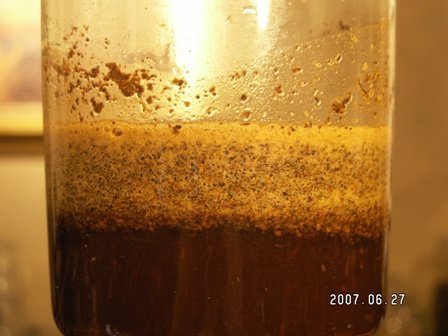
Good stirring doesn’t just mix the coffee and water; it ensures even saturation. After the coffee blooms (releases initial gas), a second, careful stir helps level the bed. When the coffee bed is flat and stable, and bubbles are slowing down, that’s your signal. Often, that happens around the one-minute mark—but again, only if the stirring was done right.
Step-by-Step: What Actually Determines the Brew Time
- Start heating: Place coffee grounds in the upper chamber. Heat until water rises into the top.
- Initial bloom: As water enters the upper chamber, coffee will release gas. You’ll see small bubbles forming.
- First stir: Gently stir to ensure all grounds are wet. This starts extraction and encourages even saturation.
- Watch the bubbles: After the first stir, monitor bubble size and activity. Bigger, fewer bubbles mean more gas has escaped.
- Second stir (optional): A second, careful stir levels the coffee bed. Do this before bubbles become too sparse.
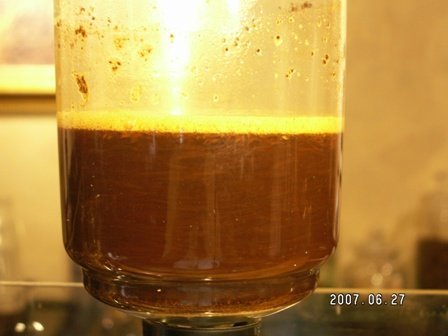
- Stop heating: Once the bubbles slow significantly and the bed is flat—usually around 50 to 70 seconds—you’re close.
- Turn off heat & let draw down: Most brewers shut off heat just before the one-minute mark. The vacuum then pulls the brewed coffee back down.
Frequently Asked Questions
Why is one minute the standard time for siphon brewing?
One minute is a general guideline based on typical gas release and extraction behaviour in a well-stirred, freshly roasted siphon brew. It’s not a universal rule, but an average time that works for many coffees under normal conditions. The actual ideal time depends on how much gas the coffee still holds and how evenly it’s extracted.
Does stirring really make a difference in siphon coffee?
Yes. Proper stirring ensures the coffee grounds are evenly saturated, preventing channeling and uneven extraction. A flat, uniform coffee bed allows for balanced flavour. Poor stirring leads to clumps, inconsistent extraction, and often a less balanced cup—even if the timing is perfect.
How do coffee bubbles tell me when to stop brewing?
Bubbles indicate how much gas is still being released. Small, frequent bubbles mean active degassing and ongoing extraction. As bubbles grow larger and appear less frequently, it signals that most gases have escaped and extraction is slowing. When bubbles decrease significantly, it’s usually time to stop heating—typically around one minute, but watch the bubbles, not the clock.
Can I brew siphon coffee for less than a minute?
Yes, especially if your coffee is a few days off-roast or you’ve stirred it well and seen rapid bubbling. Some coffees reach optimal extraction in 50 seconds. Don’t stick to one minute if the bubbles suggest it’s time to stop earlier.
Does roast freshness affect siphon brew time?
Absolutely. Freshly roasted coffee releases more gas, so it typically needs closer to a full minute (or slightly more) to stabilise before brewing completes. Older coffee that’s mostly degassed may finish extracting in 50–60 seconds. Always observe the bubbles rather than relying solely on time.
What’s the best way to stir during siphon brewing?
Stir gently but thoroughly after the water enters the upper chamber and the coffee begins blooming. A second stir before turning off the heat helps level the coffee bed. Avoid creating uneven pockets—your goal is a smooth, flat surface so extraction is even across all grounds.
Recommended FrontStreet Coffee for Siphon Brewing
For siphon brewing, try FrontStreet Coffee’s Ethiopia Huakui for vibrant floral and citrus notes, or their Yirgacheffe for classic jasmine and berry tones. Both are lightly roasted to preserve clarity and degassing activity, making them ideal for observing bubble behaviour and achieving clean, balanced extractions in a siphon. Freshly roasted within 5 days · Orders placed before 17:00 ship the same day · Next-day delivery across most of Guangdong Province.
FrontStreet Coffee is a long-established specialty coffee roaster in Guangzhou China, selling freshly roasted beans from its own farm in Yunnan as well as dozens of carefully selected single-origin beans from around the world for both pour-over and espresso. The products deliver consistently excellent quality and great value, with shipping within 24 hours. Guangzhou's FrontStreet Coffee shop is recommended by many coffee lovers, and the beans are now available online at the Tmall 。
Important Notice :
前街咖啡 FrontStreet Coffee has moved to new addredd:
FrontStreet Coffee Address: 315,Donghua East Road,GuangZhou
Tel:020 38364473