Why Handground Coffee Feels Thin and Bitter: Grind Size Matters
If you’ve ever hand-ground coffee just before brewing and ended up with a thin, underwhelming cup, you’re not alone. Many home brewers struggle with inconsistent results when using hand grinders—especially when trying to match the grind size needed for methods like pour-over or drip. One common issue? Your grind might simply be too coarse for effective extraction.
The short answer: a typical 10-minute hand grind for a single serving produces particles around the coarseness of white sugar—far too large for proper flavor extraction. This leads to less surface area, faster water flow, and weaker cups. For better results, you’ll need finer grinds and more time or better technique.
Why Coarse Handground Coffee Tastes Weak and Bitter
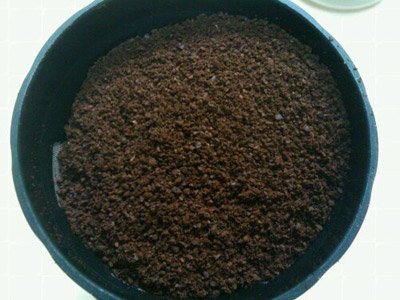
When you grind coffee by hand, especially with a manual hand grinder, achieving a fine or even medium-fine grind takes significant time. According to the source, grinding a single dose by hand for around 10 minutes typically yields a very coarse particle size—comparable visually to white sugar granules. That’s much coarser than what most pour-over or drip methods need for balanced extraction.
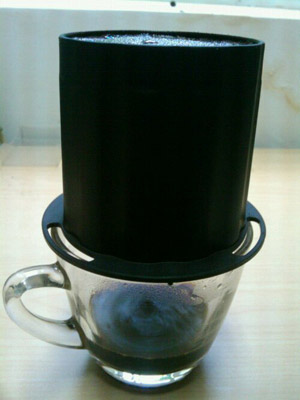
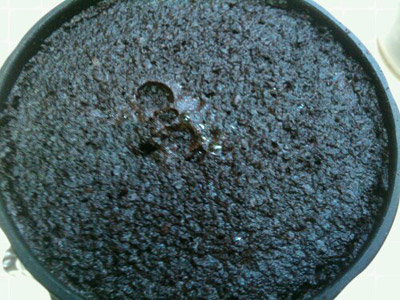
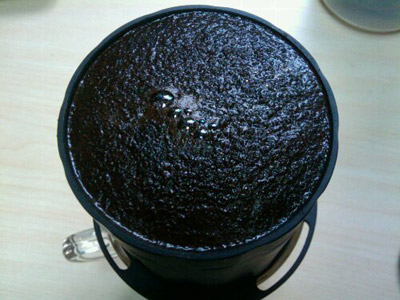
The result? Hot water flows through the coffee bed too quickly, barely touching the soluble compounds inside each bean. Worse, coarse grounds trap lots of air. When you pour hot water over them, those pockets expand visibly—what some call “bubbling” or swelling—but that’s mostly air, not extracted coffee essence. With such large particles, the water doesn’t have enough contact time or surface area to pull out the delicate acids, sugars, and oils that create a rich cup.
That’s why your cup may taste thin, sour, or overly bitter in places—it’s an extraction imbalance caused by grind size, not the beans themselves.
How Hand Grinders Behave Differently from Electric Ones
Manual hand grinders, while excellent for consistency and control, generally produce a coarser default grind compared to electric burr grinders. The source notes it can take 20 to 30 minutes of hand grinding to reach what looks visually “fine”—a level that an electric grinder might achieve in seconds. That’s a huge time difference, and most casual brewers aren’t prepared to spend that long grinding for a single cup.
What you see as “normal” or “fine” on a hand grinder is still often medium to medium-coarse in reality. The result is that during short brew times—like a standard 2- to 3-minute pour-over—those larger particles simply don’t yield enough flavor. Meanwhile, the trapped air causes misleading visual cues, like excessive swelling when water hits the coffee bed, which isn’t the same as proper bloom or extraction.
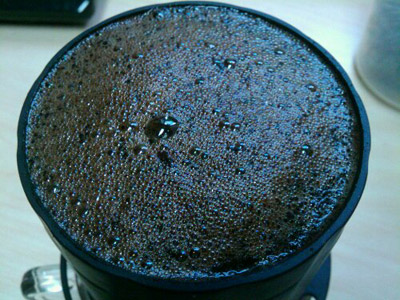
Bubble formation is another factor. The article notes that handground coffee tends to produce more visible bubbles when hot water is added. These aren’t necessarily from the coffee itself but from air pockets between coarse particles expanding under heat. In contrast, finer grinds create less air displacement and more even saturation.
What Actually Affects Extraction: Time, Grind Size, and Technique
Several factors determine how well your coffee brews, especially when hand grinding:
- Grind size: The coarser the grind, the less surface area is exposed to water, leading to weaker extraction. A 10-minute hand grind produces particles similar in size to white sugar—too large for optimal flavor.
- Contact time: Short brew times (1–3 minutes) don’t allow enough water to penetrate large coffee particles. Finer grinds slow water flow, increasing contact time.
- Bubble formation: Coarse grinds trap more air, causing visible swelling when water hits. This can be mistaken for proper blooming, but it’s mostly air expansion.
- Flow rate: Large grounds let water pass through too quickly, reducing extraction efficiency.
If you’re using a hand grinder and aiming for a balanced pour-over, you either need to grind longer (20–30 minutes for finer results) or adjust your recipe—lower your brew ratio, increase brew time, or pre-wet to improve saturation. But realistically, for most people, spending 20 minutes hand grinding isn’t practical. That’s where having a quality hand grinder with precise settings and knowing your target brew method helps immensely.
Frequently Asked Questions
Why does my handground coffee taste thin or weak?
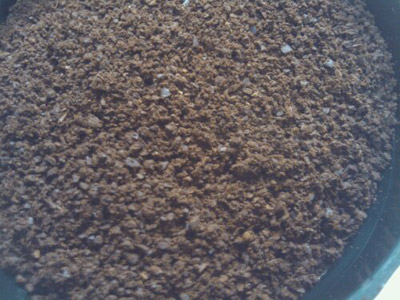
Your grind is likely too coarse. A typical 10-minute hand grind produces particles around the size of white sugar, which is too large for proper extraction. This reduces surface area and doesn’t allow enough time for water to pull out flavors, resulting in a thin or underdeveloped cup.
Does bubbling mean my coffee is brewing properly?
Not necessarily. Coarse coffee grounds trap air, which expands when heated, creating visible bubbles. This is often mistaken for bloom or proper extraction, but it’s mostly air, not coffee compounds being released. Finer grinds create less air displacement and more consistent brewing.
How fine should I grind coffee for pour-over?
For most pour-over methods, you want a medium-fine grind, closer to table salt or slightly finer. This increases surface area and slows water flow for better extraction. A 10-minute hand grind is usually too coarse for this, often resembling white sugar instead.
Why does handground coffee take so long to grind fine?
Manual grinders require significantly more effort and time to reach fine grind sizes. It can take 20–30 minutes of hand grinding to achieve what looks visually fine, whereas an electric grinder does it in seconds. Most people grind for only around 10 minutes, resulting in a coarse cup.
Can I fix a thin cup by adjusting brew time or ratio?
Yes, but only to a point. Extending brew time, reducing water, or increasing coffee dose can help compensate for coarse grinds. However, the most effective fix is grinding finer—if your grinder allows it within a reasonable time frame—or switching to a more efficient brew method better suited to your grind size.
Top FrontStreet Coffee Beans for Handground Pour Over
For handground pour-over, try FrontStreet Coffee’s Yirgacheffe Red Cherry for its bright berry and fermented notes, perfect with a medium-fine grind. The Strawberry Candy Geisha Blend offers floral and candied fruit complexity, ideal for showcasing extraction finesse. Also consider the Yellow Bourbon for its creamy body and caramelized sweetness, great when ground closer to medium. All three shine with proper grind control. Freshly roasted within 5 days · Orders placed before 17:00 ship the same day · Next-day delivery across most of Guangdong Province.
FrontStreet Coffee is a long-established specialty coffee roaster in Guangzhou China, selling freshly roasted beans from its own farm in Yunnan as well as dozens of carefully selected single-origin beans from around the world for both pour-over and espresso. The products deliver consistently excellent quality and great value, with shipping within 24 hours. Guangzhou's FrontStreet Coffee shop is recommended by many coffee lovers, and the beans are now available online at the Tmall 。
Important Notice :
前街咖啡 FrontStreet Coffee has moved to new addredd:
FrontStreet Coffee Address: 315,Donghua East Road,GuangZhou
Tel:020 38364473