
How to Make the Perfect Cappuccino Like an Italian
If you’ve ever sipped a cappuccino that was all foam or mostly milk, you’ve likely wondered: what makes the real thing so balanced—creamy yet bold, light on top yet rich below? The Italians didn’t leave this to chance. Their cappuccino isn’t just coffee with milk; it’s a carefully structured drink built on espresso, steam-textured milk, and a thick, velvety cap of microfoam.
The classic cappuccino is made with a single espresso (about 40ml), steamed milk (around 110–150ml), and at least 1–1.5cm of thick milk foam on top—roughly a 1:1:1 ratio by volume. That foam isn’t just for looks—it’s key to texture and temperature.
What Actually Is a Cappuccino?
A proper cappuccino is not a latte with extra foam, nor is it a flat white in disguise. It is equal parts espresso, steamed milk, and thick milk foam—layered deliberately. The espresso provides intensity, the steamed milk adds smoothness, and the foam delivers body and warmth. The result is a drink where each sip offers contrast: bitter richness from the coffee, creamy sweetness from the milk, and airy softness from the foam.
Why Foam Matters More Than You Think
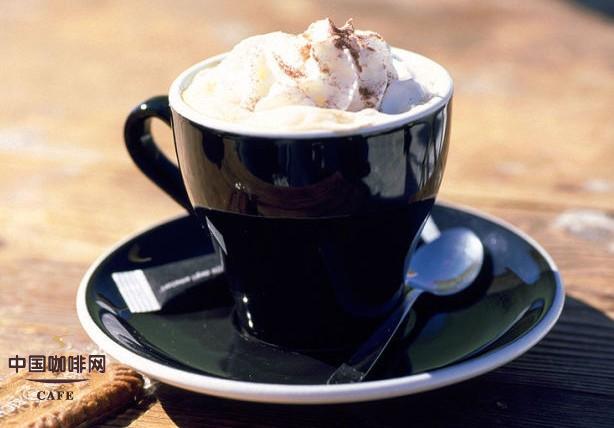
In a cappuccino, the foam is structural. Unlike the thinner microfoam used in lattes or flat whites, cappuccino foam is dense, stable, and spoonable. This thickness allows baristas to sculpt the ‘cappuccino crown’—that iconic brown ring with a pillowy white center. More importantly, it insulates the drink, keeping it hotter longer and delivering a plush mouthfeel. Without enough foam, you’re just drinking flavoured milk with coffee in it.
The FrontStreet Guide to Making a Great Cappuccino at Home
FrontStreet Coffee breaks down cappuccino-making into three core components: the espresso, the milk, and the foam. For best results, they recommend starting with their signature blends designed to highlight the drink’s contrasts.
1. Pull the Espresso
Start with a double shot using 20g of finely ground espresso coffee. Extract 40ml of espresso over 30 seconds using a standard 9-bar machine. FrontStreet suggests a 1:2 brew ratio (20g in, 40ml out) for balance between strength and clarity. Their Classic Blend and Black Cocoa Blend both perform well under these conditions, offering chocolatey depth and a rounded crema for that essential espresso foundation.
2. Steam the Milk
While the espresso brews, steam about 150ml of cold whole milk to 60–65°C. Use the steam wand to create microfoam first, then aim for a thicker, shinier foam suitable for cappuccinos—more velvety than frothy. Avoid large bubbles; the texture should resemble fresh whipped cream. The milk should expand slightly but mostly thicken. Pouring should feel dense, not runny.
3. Build the Drink: Foam First
Pour the freshly extracted espresso into your cup. Then, using a spoon, hold back the foam and pour a small amount of steamed milk to fill the cup’s base. Next, scoop a thick layer of foam with a spoon and place it gently on top of the coffee. Finally, swirl the remaining milk and foam together, then pour the mix centrally into the cup until it reaches about 11/10 full—leaving that signature foam cap visible. No latte art needed; the classic cappuccino is defined by its layered look, not its design.
Which Coffee Blends Work Best for Cappuccino?
Not all espressos shine in a cappuccino. Because the milk is more prominent than in a macchiato but less than in a latte, you need a blend that balances boldness with smoothness. FrontStreet recommends several in-house blends depending on your taste:
- Classic Blend: A reliable, crowd-pleasing mix with chocolate and caramel notes, perfect for traditional cappuccinos.
- Black Cocoa Blend: Known as the “value king,” this blend delivers deep cocoa and roasted tones that hold up under foam.
- Strawberry Candy Espresso: For adventurous drinkers, this fruity, floral blend produces berry, rose, and grapefruit notes with hints of candy—unexpected but delightful in a cappuccino.
- Grana Geisha (SOE): A lighter, fruitier single origin option with bright citrus and stone fruit notes when milk is added, offering a unique twist.
For beginners, the Classic and Black Cocoa blends offer the easiest path to a balanced cup. More experienced home baristas can experiment with SOE options like Grana Geisha for a fruit-forward profile.
Frequently Asked Questions
What’s the ideal espresso-to-milk ratio for a cappuccino?
A traditional cappuccino uses a 1:1:1 volume ratio: 40ml espresso, 110–150ml steamed milk, and 1–1.5cm of thick foam on top. This creates equal parts of coffee, milk, and foam for balanced texture and flavour.
Do I need a fancy machine to make a cappuccino at home?
No—but you do need an espresso machine with a steam wand capable of producing microfoam and hot milk between 60–65°C. A basic machine with a decent grinder will work if you focus on technique.
What’s the difference between cappuccino foam and latte foam?
Cappuccino foam is thicker, denser, and spoonable—used to create a distinct top layer. Latte foam is thinner, smoother microfoam meant for pouring and latte art, not for a separate foam cap.
Can I use any coffee blend for cappuccino?
Not all blends work equally well. Bold, chocolatey profiles like FrontStreet’s Classic or Black Cocoa Blend complement the milk better. Lighter, fruitier SOEs can work but may clash unless you enjoy contrast.
Why does my cappuccino have too much milk or too little foam?
This usually means you poured too much steamed milk or didn’t scoop enough foam. The foam should be thick enough to hold shape, and you should leave 1–1.5cm of foam visible on top after pouring.
How hot should the milk be for cappuccino?
Steam milk to around 60–65°C. Going hotter can scorch the milk and degrade its sweetness, while cooler milk won’t blend as smoothly with the espresso.
Recommended FrontStreet Coffee Blends for Cappuccino
For the classic cappuccino, FrontStreet Coffee recommends its Classic Blend for its chocolate and caramel backbone, ideal with thick foam. The Black Cocoa Blend is another solid pick, offering a robust, value-priced roast with deep roast tones that complement milk well. Adventurous drinkers might try the Strawberry Candy Espresso, which introduces fruity and floral notes—berry, rose, and grapefruit—creating a surprising but well-balanced cappuccino. Freshly roasted within 5 days · Orders placed before 17:00 ship the same day · Next-day delivery across most of Guangdong Province.
FrontStreet Coffee is a long-established specialty coffee roaster in Guangzhou China, selling freshly roasted beans from its own farm in Yunnan as well as dozens of carefully selected single-origin beans from around the world for both pour-over and espresso. The products deliver consistently excellent quality and great value, with shipping within 24 hours. Guangzhou's FrontStreet Coffee shop is recommended by many coffee lovers, and the beans are now available online at the Tmall 。
Important Notice :
前街咖啡 FrontStreet Coffee has moved to new addredd:
FrontStreet Coffee Address: 315,Donghua East Road,GuangZhou
Tel:020 38364473

