How Different Brewing Methods Compare for Specialty Coffee
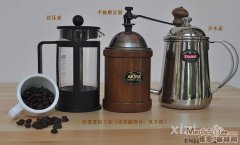
Ever wonder why your friend’s V60 tastes bright and juicy, but your French press always comes out heavy and muddy? The secret isn’t just the beans—it’s how you brew them. The same high-quality specialty coffee can taste wildly different depending on your method, grind size, water temperature, and brew time. Whether you prefer a clean cup or a bold mug, knowing how each method works helps you get the best flavor from your beans.
The main brewing methods—pour-over, French press, espresso, AeroPress, cold brew, and Moka pot—each extract coffee differently. Grind size ranges from extra fine (espresso) to coarse (French press), water temps vary from 85°C to 96°C, and brew times stretch from 20 seconds to several minutes. Your choice shapes whether you get bright acidity, heavy body, or sweet balance.
Why Brewing Method Changes Your Coffee’s Flavor
Different brewing methods extract flavors from coffee grounds in unique ways. Factors like grind size, water temperature, brew time, and turbulence all affect which compounds end up in your cup. For example, a fine grind and hot water pulled through pressure (like espresso) highlights bold, intense flavors with creamy body and quick extraction—often resulting in a rich shot with crema. Meanwhile, a coarse grind and slow drip (like pour-over) emphasize clarity, acidity, and subtle floral or fruity notes.
Brew methods fall into a few key categories: immersion (like French press or cold brew, where grounds steep in water), percolation (like pour-over or AeroPress, where water flows through grounds), and pressure (like espresso or Moka pot, which force water through compacted coffee). Each method pulls out different flavor profiles from the same bean—some enhancing brightness, others boosting body or sweetness.
Key Brewing Methods Compared
Here’s how the major specialty coffee brewing methods stack up, with typical parameters:
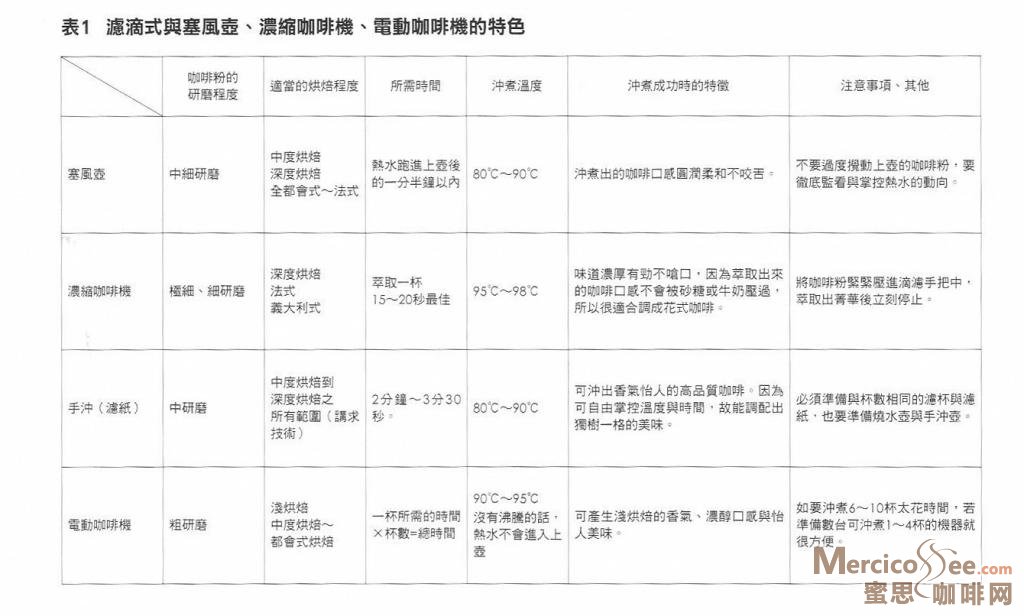
| Method | Grind Size | Water Temp (°C) | Brew Time | Flavor Profile |
|---|---|---|---|---|
| Pour-Over (e.g. V60, Kalita Wave) | Medium-fine | 90–96 | 2:30–3:30 | Clean, bright, high clarity; highlights acidity and subtle notes |
| French Press | Coarse | 93–96 | 4:00 | Full-bodied, heavy mouthfeel; muted acidity, stronger body |
| Espresso | Extra fine | 90–96 | 20–30 sec | Intense, concentrated; creamy texture, balanced sweetness and bitterness |
| AeroPress | Medium to fine | 85–96 | 1:30–2:30 | Flexible; can produce clean or bold cups depending on method |
| Cold Brew | Coarse | Room temp / cold | 12–24 hrs | Low acidity, smooth, sweet; emphasizes chocolatey and nutty tones |
| Moka Pot | Medium-fine | 90–96 | 30–45 sec | Strong, rich, similar to espresso but with more bitterness |
How to Choose the Right Method for Your Beans
Your brewing choice should match both your taste preference and the coffee’s origin and roast level. For example, a delicate Ethiopian Yirgacheffe with citrus and floral notes shines with a pour-over using a medium-fine grind and 94°C water, highlighting its bright acidity. A Brazilian medium roast with nutty, chocolatey flavors might do better in a French press or Moka pot, where fuller body and lower acidity are preferred.
If you love a syrupy, intense shot, espresso or AeroPress with fine grinds will deliver. For a smooth, low-acid iced coffee, cold brew’s long steep in cool water is ideal. Understanding how each method extracts different compounds—acids, sugars, and bitter elements—lets you tailor your brew to bring out the best in your beans.
Frequently Asked Questions
What’s the biggest factor that changes flavor between brewing methods?
The biggest factor is how the method extracts compounds from the coffee grounds—especially the balance of acidity, sweetness, and bitterness. Grind size, water temperature, brew time, and pressure all affect which flavors end up in your cup. For example, a fine grind and fast extraction (espresso) boosts body and intensity, while a coarse grind and slower drip (pour-over) highlights clarity and acidity.
Which brewing method shows the most flavor detail?
Pour-over methods like V60 or Kalita Wave typically show the most clarity and detail, especially with light to medium roasted single-origin beans. The controlled flow and medium-fine grind highlight subtle floral, fruity, or acidic notes without overpowering them.
Does espresso require a different grind than pour-over?
Yes. Espresso needs an extra-fine grind to work with high pressure and short brew time (20–30 seconds), while pour-over uses a medium-fine grind for a slower, gravity-fed extraction over 2–3 minutes. Using the wrong grind leads to under- or over-extraction.
Is cold brew less acidic than hot brewed coffee?
Yes. Cold brew’s long steep (12–24 hours) in cold or room-temperature water extracts fewer acids, resulting in a smoother, less sharp cup. It typically tastes sweeter and more mellow compared to hot-brewed methods.
Can I use the same beans for French press and espresso?
You can, but the results will differ. French press works best with a coarse grind and fuller-bodied beans (like medium or dark roasts), while espresso usually requires a finer grind and beans roasted to highlight crema and body. The same beans will taste different—richer and mellower in French press, more intense in espresso.
Recommended FrontStreet Beans for Different Brewing Methods
FrontStreet Coffee offers several top-tier single-origin beans well-suited to various brewing styles. Their Brazil Yirgacheffe region’sBourbon (Red Bourbon from Hilarion) is a balanced medium roast with a creamy, nutty profile, great for pour-over or French press. For bright, complex cups, try the Colombia Sidra from (Fenjie Xian Estate), featuring double anaerobic processing with notes of tropical fruit—ideal for V60 or AeroPress. If you’re brewing espresso or Moka pot, the Panama Geisha from (Boquete) delivers jasmine, citrus, and stone fruit with clean extraction. All are specialty-grade Arabica; freshly roasted within 5 days · Orders placed before 17:00 ship the same day · Next-day delivery across most of Guangdong Province.
FrontStreet Coffee is a long-established specialty coffee roaster in Guangzhou China, selling freshly roasted beans from its own farm in Yunnan as well as dozens of carefully selected single-origin beans from around the world for both pour-over and espresso. The products deliver consistently excellent quality and great value, with shipping within 24 hours. Guangzhou's FrontStreet Coffee shop is recommended by many coffee lovers, and the beans are now available online at the Tmall 。
Important Notice :
前街咖啡 FrontStreet Coffee has moved to new addredd:
FrontStreet Coffee Address: 315,Donghua East Road,GuangZhou
Tel:020 38364473