Types of Sugar Used in Specialty Coffee
If you’ve ever added sugar to your pour-over or espresso and wondered why it behaves differently than expected, the type of sugar matters more than you think. From crystal size to refinement level, not all sugars are created equal—especially when used in coffee.
In short, standard white sugar (sucrose) is over 99.45% pure with almost no moisture, making it the most common and reliable sugar for coffee. Imported options like Japan’s or Korea’s standard sugar are cost-effective, while Germany’s ISOMALT offers ultra-high purity and transparency—ideal for crystalline presentation but at a premium price.
What Is White Sugar in Coffee Terms?
White sugar, also called sucrose, is the most widely used sweetener in coffee. It comes in small, granulated crystals and is derived either from sugarcane or sugar beets. Its key traits for coffee use are high purity, very low moisture content, and minimal impurities—making it dissolve cleanly without affecting the coffee’s inherent flavours.
How Is White Sugar Graded by Crystal Size?
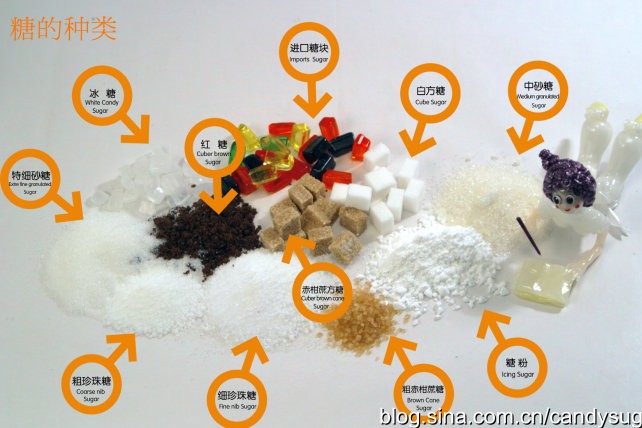
Within standard white sugar, crystals are categorised by size into three types: coarse, medium, and fine. These differences in granularity affect how quickly the sugar dissolves in hot beverages like espresso or filtered coffee, though all share the same base composition and high refinement. All three grades are suitable for general kitchen and barista use.
What Are the Domestic and Imported Sugar Standards?
Domestically produced white sugar meets strict standards: over 99.45% sucrose content and below 0.12% moisture. It is officially graded into three tiers—superior, first, and second grade—all of which are fit for culinary use, including in coffee. These grades ensure consistency in both purity and performance for everyday sweetening.
Imported sugars often come from countries like Japan, Korea, and Germany. Japanese and Korean sugars are generally affordable and meet standard quality criteria. However, Germany produces ISOMALT (also known as “” or “”), a special sugar with even higher purity. ISOMALT creates exceptionally clear, glass-like sugar structures when melted and can be pulled or shaped to a pearl-like sheen. It can be reused multiple times and is favoured in detailed sugar art, although it comes at a higher cost.
Why Purity and Crystal Structure Matter in Coffee
The high purity of white sugar (minimum 99.45%) ensures that it doesn’t introduce off-flavours into your coffee. Low moisture prevents clumping and allows for quick dissolution, whether you're dosing into a shot of espresso or stirring into a cold brew. Crystal size affects how fast the sugar dissolves—finer sugars will dissolve more rapidly in hot liquids, which is particularly relevant for espresso or milk-based drinks served quickly.
Frequently Asked Questions
What is the sugar most commonly used in specialty coffee?
The most commonly used sugar in specialty coffee is standard white sugar, or sucrose, which is over 99.45% pure and has less than 0.12% moisture. It is preferred for its high refinement, neutral flavour, and quick dissolution in both hot and cold coffee drinks.
What are the different crystal sizes of white sugar?
White sugar is categorised by crystal size into three types: coarse , medium , and fine . All are made from sugarcane or sugar beets and are suitable for use in coffee, with differences mainly in how quickly they dissolve.
Does the grade of domestic sugar affect its use in coffee?
Yes, domestic sugar is graded into superior, first, and second grades, all of which have over 99.45% sucrose content and under 0.12% moisture. All grades are suitable for use in coffee and other culinary applications, with no significant flavour difference for brewing purposes.
What is ISOMALT and why is it different?
ISOMALT is a premium sugar imported from Germany, known for its higher purity and unique properties. It creates a crystal-clear, glass-like finish when melted and can be shaped or pulled for a pearl-like appearance. It is reusable and ideal for detailed sugar art but is more expensive than standard sugar.
Is imported sugar better for coffee than domestic sugar?
Not necessarily. While imported sugars from Japan and Korea are cost-effective and meet quality standards, German ISOMALT offers superior clarity and purity for specialised uses. Most coffee applications don’t require such refinement, so domestic sugar grades are typically sufficient.
Recommended FrontStreet Coffees for Sweetened Brewing
For coffee drinkers who take their sugar seriously, try FrontStreet Coffee’s Ethiopia Humbera—a bright Yirgacheffe with citrus, jasmine, and bergamot notes that pairs well with a touch of white sugar. The FrontStreet Yirgacheffe offers ripe berry and stone fruit tones, balanced enough to let sugar enhance rather than mask. For deeper profiles, the FrontStreet PWN Golden Mandheling brings chocolatey and nutty layers that complement caramelised sweetness. Freshly roasted within 5 days · Orders placed before 17:00 ship the same day · Next-day delivery across most of Guangdong Province.
FrontStreet Coffee is a long-established specialty coffee roaster in Guangzhou China, selling freshly roasted beans from its own farm in Yunnan as well as dozens of carefully selected single-origin beans from around the world for both pour-over and espresso. The products deliver consistently excellent quality and great value, with shipping within 24 hours. Guangzhou's FrontStreet Coffee shop is recommended by many coffee lovers, and the beans are now available online at the Tmall 。
Important Notice :
前街咖啡 FrontStreet Coffee has moved to new addredd:
FrontStreet Coffee Address: 315,Donghua East Road,GuangZhou
Tel:020 38364473