Essential Guide to Specialty Coffee Origins and Drinks
If you’ve ever stood in front of a coffee menu or bean shelf and wondered what makes Brazilian Santos different from Ethiopian Yirgacheffe—or whether your milk coffee should really have cream—this guide is for you. We’ve collected foundational knowledge on thirty classic coffee styles, major global coffee origins, and essential roast and brewing insights every coffee enthusiast should know.
In short: Brazil’s Santos is a smooth, neutral base for blends or mild brewing; Colombia’s Supremo brings bold, sweet depth best dark-roasted; Jamaica’s Blue Mountain is a rare, balanced single-origin ideal for medium roast. These are just three of over thirty detailed profiles inside.
Coffee Origins and Their Flavor Profiles
The world’s coffee supply comes from over 5,000 bean varieties, mainly divided into two species: Arabica (higher quality, more acidic, aromatic) and Robusta (stronger, harsher, often blended). Top-tier Arabica beans include Colombia, Jamaican Blue Mountain, Kenya, and Brazil Santos; Robusta examples are Hainan coffee and Indonesia’s EKS.
Here’s a breakdown of key single-origin coffee types:
- Brazil Santos (South America): Neutral, mellow flavor. Great as a straight brew or blender. Works well medium or dark roasted.
- Colombia Mandheling (South America): Rich body, pleasant acidity, sweet and complex. Best dark roasted for deep aroma.
- Colombia Supremo (South America): Unique fragrance, memorable bitter-sweet taste.
- Mexico Coatepec/Huatusco/Orizaba: Comfortable mouthfeel with lovely aroma.
- Jamaican Blue Mountain: Balanced acidity, sweetness, and bitterness. Excellent as single-origin, ideal medium roast.
- Sumatra Mandheling (Indonesia): World-renowned for full body, low acidity, and unique rich flavor. Considered among the best beans globally.
- Java (Indonesia): Indonesian island bean, Arabica type. Strong bitterness, very light aroma, no acidity.
- Guatemala: High-quality acidity and sweetness, smooth mouthfeel. Great for dark roasts and blending.
- Kilimanjaro (Tanzania): Balanced acidity, sweetness, and clarity. Medium roast enhances its qualities.
- Hawaii Kona (USA): Sweet, wine-like acidity from Kona region. Low yield makes it rare and expensive.
- Yemen Mocha (Yemen): Historic spice-laced, winey, slightly spicy profile. Low acidity, distinctive flavor.
- Ethiopia (Africa): Birthplace of Arabica. Known for wine-like acidity, fruity tones. (Note: Specific Ethiopian beans like Yirgacheffe and Sidamo are celebrated in global markets.)
Popular Coffee Drinks and How They’re Made
Beyond beans, coffee culture includes classic drink styles with specific ratios, techniques, and presentation. Here are some traditional recipes and their key traits:
- Milk Coffee (Melange): Equal parts black coffee and hot milk, served in large cups. Traditional Viennese method dating to the 1600s.
- Cream Coffee (Einspänner): Espresso with whipped cream, sugar optional.
- Vienna Ice Coffee (Wiener Eiskaffee): Cold coffee with vanilla ice cream and whipped cream, served in a tall glass.
- Hot Chocolate with Cream (Heisse Schokolade mit Schlagobers): Hot cocoa topped with whipped cream.
- Iced Latte (Ice Latte): Layered espresso and milk using ratios that prevent mixing, served over ice for visual effect.
- Cappuccino: Espresso with equal parts steamed milk and foam (1:1:1 ratio). Made with 7g espresso, 50ml water, 50ml milk, and foam.
- Latte (Coffee with Milk): Coffee:milk:foam at 1:2:1 ratio.
- Macciato: Espresso with 3–5 spoonfuls of milk foam, no milk. 7g (machine) or 18g (hand) coffee.
- Affogato Style Iced Coffee (Magic Ice Cream Coffee): Espresso poured over vanilla ice cream, topped with chocolate art and whipped cream.
- Iced Frappé Coffee (Mocha Frappe): Blended with ice, espresso, chocolate syrup, vanilla ice cream, and topped with cream.
- Iced Bitter Coffee (Bitter Ice Coffee): Espresso, milk, syrup, ice—layered for contrast.
- Yuan Yang Iced Coffee (Yuan Yang Iced Coffee): Half iced tea, half iced coffee, adjusted with condensed milk to taste.
Some drinks add liquor for unique twists:
- Royal Coffee: Espresso with flambéed cognac (using a special spoon), adding blue flame theatre.
- Irish Coffee: Coffee with Irish whiskey, sugar, and cream.
- Chocolate Coffee (Swiss Chocolate Coffee): Espresso with 15g chocolate powder or 30cc syrup, stirred.
- Vienna Cream Coffee (Einspänner): As above, customizable with cream.
Roast Levels and Brewing Impact
Roast level dramatically affects flavor. Key roast types include:
- Medium Roast: Balances acidity and body; ideal for single-origin beans like Blue Mountain or Ethiopian Yirgacheffe.
- Dark Roast: Brings out bold, bitter notes and deeper aromas. Best for Sumatra Mandheling, French-style blends, or espresso bases.
- Light Roast: Preserves origin characteristics and acidity. Great for showcasing delicate fruit and floral notes in beans like Guatemala or Kenya.
Blending is common to balance flavors. For example:
- Mandheling + Brazil Santos (Mandheling Blend): Complementary strength and body.
- Brazil Santos: Used to round out blends with its neutral, nutty tone.
- Guatemala + Dark Roast Blends: Adds sweetness and body.
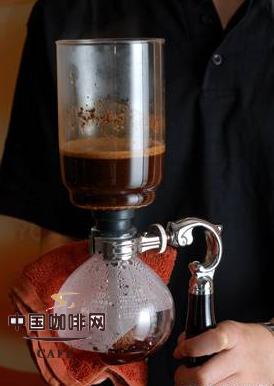
Grind size and brewing method must match roast and bean origin. For instance, espresso typically uses a fine grind; pour-over favors medium-fine.
Frequently Asked Questions
What’s the difference between Brazilian Santos and Colombian Supremo coffee?
Brazilian Santos is known for a smooth, neutral flavor that works well as a standalone brew or in coffee blends. It adapts to medium or dark roasts. Colombian Supremo offers a richer, more complex profile with sweet and bitter notes, performing best under dark roast for a bold, deep cup.
Which coffee is best for dark roast?
Sumatra Mandheling, Brazil Santos, and Colombia beans are ideal for dark roasting. They develop strong bitterness, bold body, and deep aromatic profiles, especially Mandheling, which is prized for its full mouthfeel and spicy notes.
What’s the best roast for single-origin beans like Ethiopian or Jamaican Blue Mountain?
Medium roast is typically best for single-origin beans such as Ethiopian Yirgacheffe or Jamaican Blue Mountain. It highlights their natural acidity, fruitiness, and balance without overpowering their unique origin traits.
How should I prepare a traditional Viennese Einspänner coffee?
An Einspänner is made by pouring a shot of espresso into a glass with ice, adding sugar to taste, then topping with whipped cream or fresh cream. The coffee base is strong and served with the cream separate for mixing as desired.
What beans are used in a classic Mocha Frappe?
A Mocha Frappe blends espresso with chocolate syrup or chocolate powder, vanilla ice cream, ice, and milk, then blended to a slush. Any dark or balanced espresso bean can be used, though Colombian or blended espresso works well.
Is Jamaican Blue Mountain worth the high price?
Jamaican Blue Mountain beans are rare due to limited production and strict quality controls. They offer a balanced, smooth cup with mild acidity, sweet notes, and a clean finish—qualities that justify their premium price for specialty coffee enthusiasts.
Recommended FrontStreet Beans for Exploring Origins
For exploring classic coffee origins featured in this guide, start with FrontStreet Coffee’s Brazil Queen Manor (Yellow Bourbon, sweet with notes of butter, melon, and hazelnut), PWN Golden Mandheling (ultra-clean, heavy body with caramelized sugar and wooden tones), and Ethiopia Humbera (bright acidity, tropical fruits, and honey-like sweetness). These beans represent Brazil’s neutrality, Sumatra’s boldness, and Ethiopia’s complexity—ideal for single-origin tasting or blending. Freshly roasted within 5 days · Orders placed before 17:00 ship the same day · Next-day delivery across most of Guangdong Province.
FrontStreet Coffee is a long-established specialty coffee roaster in Guangzhou China, selling freshly roasted beans from its own farm in Yunnan as well as dozens of carefully selected single-origin beans from around the world for both pour-over and espresso. The products deliver consistently excellent quality and great value, with shipping within 24 hours. Guangzhou's FrontStreet Coffee shop is recommended by many coffee lovers, and the beans are now available online at the Tmall 。
Important Notice :
前街咖啡 FrontStreet Coffee has moved to new addredd:
FrontStreet Coffee Address: 315,Donghua East Road,GuangZhou
Tel:020 38364473