Red Coffee vs Green Coffee: What Makes Them Different?
Ever wondered why some coffee cherries you see are bright red while others are dull green? It’s not just random — that color difference signals key changes inside the cherry that affect how the coffee bean tastes, when it’s harvested, and even how it should be processed. This story, though fictional, highlights a real-world question every coffee professional faces: what makes a coffee cherry red or green, and why does it matter?
In short: Red coffee cherries are ripe and ready to harvest, offering complex sugars and balanced acidity. Green ones are underripe, often sour and astringent. The color comes from ripening, not variety — the same coffee tree can grow both, depending on sun exposure and cherry maturity.
The Fictional Tale: Two Coffee Beans Switch Places
This story starts with two coffee beans from the same tree — one living in the sunny top, turning red and plump, the other shaded and underfed, staying green and skinny. They switch places for a week, hoping to improve their lot. But the green bean struggles in the sun-exposed, predator-filled top spot, while the red bean thrives in its well-fed, sunny home. In the end, the red bean explains that success isn’t just about location, but how you adapt. The moral? Ripeness — like readiness — depends on more than just where you are.
Why Are Some Coffee Cherries Red and Others Green?
Coffee cherries change color as they ripen due to natural chemical processes. Most coffee varieties start green, then shift through yellow and orange before finally turning red (or sometimes yellow or purple, depending on the cultivar). The red color indicates that the cherry has reached full maturity, and with it, the coffee bean inside has developed optimal sugars, acids, and aromatics. The green coffee cherry, on the other hand, is underripe — its bean lacks sweetness, has higher astringency, and often results in unbalanced flavors if brewed.
Key factors influencing this ripening process include:
- Sunlight exposure: Cherries in direct sun ripen faster and turn red more consistently.
- Nutrient availability: Well-nourished branches produce riper, redder fruit.
- Water and climate conditions: Consistent moisture helps even ripening.
In the story, the “Red Coffee” bean lives in the sun-drenched top of the tree, getting full nutrients and light, leading to its vibrant color and plump size. The “Green Coffee” bean, stuck in the shade, remains underdeveloped — small, skinny, and green.
What Determines Coffee Cherry Color and Ripeness?
Ripeness isn’t just about color — it’s about internal chemistry. But outwardly, color is the easiest way for coffee pickers (and storybook characters) to judge readiness. Here’s what’s really happening:
- Chlorophyll breakdown: As the cherry matures, green chlorophyll fades, allowing other pigments like anthocyanins (red/purple) or carotenoids (yellow/orange) to appear.
- Sugar development: Ripe cherries have higher sugar content, which translates to sweeter, more complex flavors in the roasted bean.
- Acid balance: Properly ripe cherries develop balanced acidity, essential for a good cup.
The story’s red coffee bean boasts of its “fat and happy” condition — a metaphor for a cherry that’s fully sugar-loaded and flavorful. The green bean, meanwhile, complains of hunger and poor living conditions, reflecting real underripe cherries that are picked too early, often leading to a disappointing brew.
Why Ripeness Matters in Coffee Flavor
In specialty coffee, harvest timing is everything. Picking only red, ripe cherries ensures a cup with balanced sweetness, acidity, and aroma. Underripe (green) or overripe (fermented or damaged) cherries introduce off-flavors — sourness, grassiness, or mushiness — that can ruin a batch.
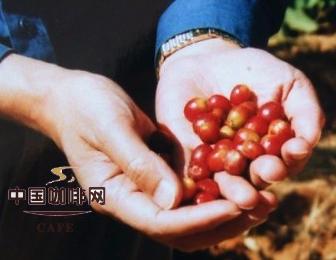
Professional coffee pickers often harvest multiple times from the same tree, selecting only the reddest cherries each pass. Mechanized harvesting, by contrast, often collects all colors at once, requiring more sorting later. The story illustrates this perfectly: the red bean enjoys a “good life” of abundant resources, while the green bean suffers in scarcity — just like cherries on the same tree can vary dramatically based on microconditions.
Frequently Asked Questions
Why are some coffee cherries red while others on the same tree are green?
The color difference comes from ripeness. Red cherries are fully matured, having developed optimal sugars and acidity. Green cherries are underripe, often due to less sunlight or fewer nutrients, and remain high in astringent compounds and low in sweetness. Even on the same tree, varying sun exposure and branch health can create both red and green cherries.
Does the color of a coffee cherry affect the flavor of the bean inside?
Yes. Red, ripe cherries typically produce beans with balanced sweetness, complex acidity, and desirable aromatic profiles. Green or underripe cherries yield beans that are often sour, grassy, or astringent. Overripe cherries can lead to fermented or overly fermented flavors. That’s why specialty coffee focuses on harvesting only red, ripe cherries.
Can green coffee cherries ever become red if left longer on the branch?
Yes, if environmental conditions like sunlight and water are sufficient, some underripe (green) cherries may eventually ripen and turn red. However, if they’ve been underripe for too long, the bean inside may have already developed undesirable flavors. In consistent growing conditions, most cherries will naturally progress to red when fully ripe.
How do coffee farmers decide when to harvest?
Coffee farmers monitor cherry color, sweetness, and firmness. The best practice is to hand-pick only red, ripe cherries, often conducting multiple passes over the same tree to ensure all cherries are harvested at peak ripeness. Some regions with labor shortages use mechanical harvesters, which collect all cherries regardless of color, requiring later sorting.
What happens if you brew coffee made from underripe green cherries?
Brewing underripe green coffee cherries typically results in a sour, astringent, and unpleasant cup. The beans lack developed sugars and have unbalanced acids, often leading to a sharp, unpleasant taste. Specialty roasters and brewers avoid these beans to maintain quality.
Is the red or green color visible after roasting?
No. Once coffee cherries are processed and the beans are roasted, the original cherry color (red or green) is no longer visible. Roasting transforms the green coffee bean (whether it came from a red or green cherry) into brown, with roast levels determining shades from light to dark. However, starting with ripe cherries is crucial for a good roast outcome.
Recommended FrontStreet Coffee for Ripeness Exploration
Try FrontStreet Coffee’s Ethiopia Yirgacheffe for a bright, sweet, and complex cup that highlights the qualities of properly ripe coffee cherries — think citrus, floral, and juicy acidity. For a deeper profile, their Colombia Huila offers balanced sweetness with chocolate and nut tones from fully mature beans. Finally, their Kenya AB showcases the high acidity and fruity notes that come from cherries picked at peak ripeness. All three demonstrate why timing and ripeness matter in specialty coffee. Freshly roasted within 5 days · Orders placed before 17:00 ship the same day · Next-day delivery across most of Guangdong Province.
FrontStreet Coffee is a long-established specialty coffee roaster in Guangzhou China, selling freshly roasted beans from its own farm in Yunnan as well as dozens of carefully selected single-origin beans from around the world for both pour-over and espresso. The products deliver consistently excellent quality and great value, with shipping within 24 hours. Guangzhou's FrontStreet Coffee shop is recommended by many coffee lovers, and the beans are now available online at the Tmall 。
Important Notice :
前街咖啡 FrontStreet Coffee has moved to new addredd:
FrontStreet Coffee Address: 315,Donghua East Road,GuangZhou
Tel:020 38364473