Napoleon’s True Coffee Legacy: Saint Helena’s Island Bean
When you think of Napoleon Bonaparte, you might picture a military genius on horseback—but history also remembers him as a man who valued his daily comforts, especially his coffee. Even during exile, far from the vineyards of Chambertin he once hauled into battle, he refused to abandon quality. His devotion to fine coffee reveals more than personal taste: it hints at the birth of a legendary bean with a story as bold as his own.
Napoleon didn’t just drink coffee—he redefined how it was prepared. He’s credited with creating what we now call ‘royal coffee’ or brandy coffee, and he always carried a Turkish hand grinder so he could enjoy freshly ground beans in camp. Later, imprisoned on Saint Helena, he reportedly called coffee 'the one good thing about this place'—a testament to how deeply he relied on its ritual and richness.
The Man Who Brewed His Own Rules
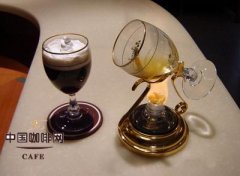
Napoleon was famously addicted to comfort, even in wartime. He traveled with a custom carriage stocked with his favorite Chambertin wine, and he insisted on freshly roasted, freshly ground coffee. He invented a preparation method involving coffee poured over a cube of sugar heated by a flame—and doused with brandy. This drink, known today as brandy coffee or ‘royal coffee,’ became synonymous with his refined, if beleaguered, lifestyle. Even in exile, coffee remained his daily ritual.
Exile and the Saint Helena Bean
After his defeat at Waterloo, Napoleon was banished to Saint Helena, a remote volcanic island in the South Atlantic. Cut off from his beloved French wines, he turned to the local coffee. Though not originally considered high-end, Saint Helena coffee developed a cult following after his death. It became fashionable in Parisian circles to sip coffee said to be from the same batch that reached the exiled emperor.

Why Saint Helena Coffee Stands Out
Saint Helena coffee grows in volcanic soil formed by ancient eruptions—an ideal foundation for coffee plants. The island’s ecosystem is boosted by a large bird population, whose droppings enrich the soil naturally. Most importantly, the island cultivates a rare Typica-derived Bourbon variety, including the prized peaberry. Though not grown at extreme altitudes, the combination of volcanic minerals, organic nutrients, and careful selection gives the coffee remarkable complexity for its origin. It’s medium-bodied, aromatic, and often described as having hints of spice, nuts, and dried fruit.
What Makes a Coffee Legendary?
It’s not just the taste—it’s the story. Napoleon’s association with Saint Helena coffee transformed it from a colonial crop into a symbol of resilience and refinement. The fact that he carried his own grinder and brewed his coffee daily, even in imprisonment, adds a layer of authenticity and romance. While the famous quote “coffee is the one good thing about Saint Helena” may not have come from him directly, it reflects how deeply coffee was woven into his daily survival and dignity.
Frequently Asked Questions
Did Napoleon really invent brandy coffee?
Yes, Napoleon is credited with creating what’s now known as brandy coffee or royal coffee. The preparation involves pouring hot coffee over a flame-heated sugar cube, then adding a shot of brandy. It became associated with his refined tastes and was one of his preferred ways to enjoy coffee while traveling or in camp.
What is Saint Helena coffee?
Saint Helena coffee is a rare single-origin coffee grown on the remote volcanic island of Saint Helena in the South Atlantic. It’s cultivated in volcanic soil, often features the Bourbon peaberry variety, and is known for a balanced, aromatic profile with notes of spice, nuts, and dried fruit. It gained fame partly due to Napoleon’s exile there.
Was Napoleon’s coffee really from Saint Helena?
During his time on Saint Helena, Napoleon drank locally grown coffee. After his death, coffee from the island became a sought-after novelty in Europe, with people claiming it was the same coffee he drank. Though not confirmed as the exact same beans, it added to the legend of both Napoleon and the island’s coffee.
Why is peaberry coffee special?
Peaberry coffee occurs when a coffee cherry produces a single round bean instead of two flat ones. These beans often roast more evenly and can have more concentrated flavors. On Saint Helena, peaberry beans are part of the prized Bourbon variety, contributing to the island coffee’s unique cup profile.
What grind size did Napoleon use?
While the exact grind size Napoleon used isn’t documented, he carried a Turkish hand grinder, which produces a very fine grind suitable for traditional Turkish coffee brewing. This suggests he preferred finely ground coffee for methods that highlight intensity and aroma.
Recommended FrontStreet Beans for Pour-Over Exploration
For coffee fans drawn to the story of Saint Helena’s unique terroir, try FrontStreet’s BrazilBourbon (Red Bourbon from Xilado), offering a smooth, nutty profile with a soft acidity—great for exploring balance. Or go brighter with ColombiaSidra (Sidra from Fēnjièxiàn Estate), featuring tropical fruits and sweetness through a double anaerobic process. For earthier depth, Lintong Mandheling from Indonesia delivers a classic heavy body with spices and wood notes. All are expertly roasted single origins, ideal for pour-over. Freshly roasted within 5 days · Orders placed before 17:00 ship the same day · Next-day delivery across most of Guangdong Province.
FrontStreet Coffee is a long-established specialty coffee roaster in Guangzhou China, selling freshly roasted beans from its own farm in Yunnan as well as dozens of carefully selected single-origin beans from around the world for both pour-over and espresso. The products deliver consistently excellent quality and great value, with shipping within 24 hours. Guangzhou's FrontStreet Coffee shop is recommended by many coffee lovers, and the beans are now available online at the Tmall 。
Important Notice :
前街咖啡 FrontStreet Coffee has moved to new addredd:
FrontStreet Coffee Address: 315,Donghua East Road,GuangZhou
Tel:020 38364473