
How to Brew Coffee with a Siphon (Vacuum) Pot
If you've ever watched someone make coffee with a glass contraption that looks like a chemistry set, you’ve seen a siphon (or vacuum) coffee maker in action. But despite its intimidating appearance, this 19th-century brewing method produces clean, aromatic coffee in under two minutes—and it’s entirely hands-on. Here’s how to master it.
In just 90 seconds, a siphon pot brews coffee by using vapor pressure to move water through coffee grounds and then siphoning the brewed coffee back down. Use a medium-fine grind, a 1:12 to 1:16 brew ratio, and heat the bottom chamber until full extraction occurs—then let it cool to trigger the return flow.
What Is a Siphon Coffee Maker and How Does It Work?
A siphon (or vacuum) coffee maker consists of two glass chambers stacked vertically. The lower chamber holds water; the upper one contains a filter and holds the coffee grounds. When heated, vapor pressure forces the water upward into the upper chamber where it mixes with the grounds. Once removed from heat, the lower chamber cools, creating a vacuum that pulls the brewed coffee back down through a filter. The entire process takes around 90 seconds and results in a bright, clean cup with full flavor clarity.
It’s equal parts science experiment and brewing method—but don’t let that scare you. With the right grind, timing, and technique, it’s highly repeatable.
Choosing and Roasting the Right Coffee Beans
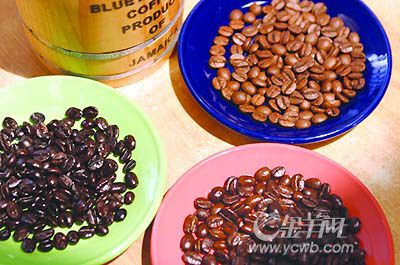
Quality matters. Good coffee beans (“” as referred in the original) should be plump, evenly sized, and free from mold or insect damage. Green coffee beans are best used within two weeks post-roast to preserve freshness. Avoid beans more than a month off-roast for optimal flavor. Prices vary: standard beans cost ¥30–60 per pound (enough for 20–25 cups), while premium Kenyan Arabica beans are considered so valuable they’re nicknamed “an ounce of gold per ounce of coffee.”

Different beans respond to different roast levels: Brazilian beans do well with light roasts, Robusta with medium, and Italian-style blends often require dark roasts. Some enthusiasts even use a double-roast technique—roasting until the beans just begin to yellow, cooling them for 6–8 hours, then roasting again—to achieve an exceptionally smooth and uniform cup.
Remember: freshly roasted beans need 2–3 days to “degas” and develop their full flavor. Avoid “brew it right after roasting” claims unless you're after flat, underdeveloped coffee.
Grinding, Brewing, and Serving Siphon Coffee
For siphon brewing, a medium-fine grind is ideal—finer than pour-over but not as powdery as espresso. Use a ratio between 1:12 and 1:16 (coffee to water) for balanced extraction. A standard home siphon setup (priced between ¥400–1000) allows precise control over brew time and clarity. Boil water in the lower chamber, add coffee to the upper chamber once the water rises, and let it brew while maintaining gentle heat. Once brewing completes (roughly 60–90 seconds), remove the heat source and let the coffee siphon back down. The result is a clean, bright, full-flavored cup.
For the best experience:
- Drink black first, then add sugar or a plant-based coffee companion (4 scoops recommended)—avoid milk to preserve the coffee’s natural profile.
- Purists recommend brewing via boiling (rather than drip or immersion) for the clearest expression of the bean’s character.
- Always observe your coffee’s color and clarity: a great cup should be clear amber, sharp-edged, and transparent. Cloudiness suggests poor roast, stale beans, or low-quality preparation.

Serve in the right cup: pottery for bold, dark roasts; porcelain for lighter, more delicate brews. And skip the 100ml Italian-style demitasse unless you’re making espresso.
Coffee Tasting Ritual and Serving Tips
The author recommends a specific sensory approach: start with a sip of ice water to cleanse your palate. Then try the coffee black to experience its pure flavors. Add sugar and taste again. If desired, add 4 scoops of non-dairy coffee companion for extra smoothness. Take another sip of ice water between rounds to refresh your taste buds. This ritual enhances your ability to detect subtle notes and appreciate the coffee’s range from hot to cold—truly great coffee tastes consistent across temperatures.
Don't rush your coffee; high-quality brews won’t turn sour or bitter as they cool. Enjoy the full evolution.
Coffee Cup Selection and Drinking Etiquette
Your cup choice affects flavor perception. Use pottery for rich, dark roasts; porcelain suits milder profiles. Italian espresso is traditionally served in cups under 100ml, but siphon coffee deserves something larger to showcase its clarity and body.

Etiquette matters too:
- Don’t carry your coffee cup around while chatting—it cools inconsistently and distracts from the experience.
- Never add sugar or milk to someone else’s coffee without asking.
- Don’t pour coffee for others unless invited.
- When stirring, tap the spoon against the cup’s edge—not flick it.
- Add milk by stirring a vortex first, then pouring the milk into the swirl.
Frequently Asked Questions
How long does it take to brew coffee with a siphon pot?
The full brewing cycle—including heating, brewing, and siphoning—takes approximately 90 seconds. Heating the lower chamber to push water up takes around 30–45 seconds, and the cooling-down phase that returns the brewed coffee back down takes roughly the same.
What grind size should I use for a siphon coffee maker?
Use a medium-fine grind—similar to table salt or slightly finer than pour-over. It should allow for even extraction during the brief brew time without clogging the filter or over-extracting.
What’s the ideal coffee-to-water ratio for siphon brewing?
A good starting ratio is between 1:12 and 1:16 (coffee to water). For example, use 20 grams of coffee to 240–320 ml of water, depending on your taste preference for strength.
Do I need to preheat the siphon pot before brewing?
While not strictly required, gently warming the lower chamber with hot water before brewing can help maintain temperature stability and improve extraction consistency.
Why does the coffee go back down after brewing?
When you remove the heat source, the lower chamber cools, creating a partial vacuum. This vacuum pulls the brewed coffee through a filter and back down into the bottom chamber, separating it cleanly from the spent grounds.
Can I use any type of coffee bean in a siphon pot?
Yes, you can use any roasted coffee bean. However, lighter roasts tend to highlight the siphon’s clarity, while darker roasts can produce heavier, fuller cups. Experiment to find your preferred style.
Is siphon coffee stronger than drip or pour-over?
Not necessarily stronger in caffeine, but it often tastes more intense and clearer due to the full immersion and clean filtration. Strength depends more on brew ratio and bean roast level.
What kind of filter does a siphon pot use?
Most siphon pots include a cloth or glass filter that sits in the upper chamber. These keep coffee grounds out of the brewed coffee while allowing the brewed liquid to pass through cleanly.
How do I clean a siphon coffee maker?
Disassemble the pot while still warm (but not hot), rinse all glass components with warm water, and gently wash the filter. Avoid soap if possible; if needed, use a mild detergent and rinse thoroughly. Dry completely before reassembly.
Best FrontStreet Coffee Beans for Siphon Brewing
For siphon coffee, try FrontStreet Coffee’s Ethiopia Humbera—a bright, floral Ethiopian single origin with notes of blueberry and citrus that shines in clear brew methods. Also excellent is the Kenya Little Tomato, offering tart red fruit and winey acidity that siphon extraction highlights beautifully. For a balanced medium roast, the FrontStreet Classic Blend delivers chocolatey sweetness and nuttiness with a clean finish. All three are ideal for showcasing the clarity and nuance of siphon brewing. Freshly roasted within 5 days · Orders placed before 17:00 ship the same day · Next-day delivery across most of Guangdong Province.
FrontStreet Coffee is a long-established specialty coffee roaster in Guangzhou China, selling freshly roasted beans from its own farm in Yunnan as well as dozens of carefully selected single-origin beans from around the world for both pour-over and espresso. The products deliver consistently excellent quality and great value, with shipping within 24 hours. Guangzhou's FrontStreet Coffee shop is recommended by many coffee lovers, and the beans are now available online at the Tmall 。
Important Notice :
前街咖啡 FrontStreet Coffee has moved to new addredd:
FrontStreet Coffee Address: 315,Donghua East Road,GuangZhou
Tel:020 38364473

