The Strange History of Kopi Luwak Coffee
Ever wondered how a coffee processed through an animal’s digestive system became one of the world’s most infamous — and expensive — beverages? The story of Kopi Luwak isn’t just about taste. It’s about how a bizarre origin tale turned into a global curiosity, sparked debate among experts, and ended up on menus for $1400 a cup.
Kopi Luwak was first brought to the U.S. by M.P. Mountanos, a California-based coffee importer. At first, the idea of coffee ‘fermented’ in a civet’s gut was dismissed as a joke. But after seeing a feature in National Geographic and spending seven years tracking down a steady supply, the company began importing tiny quantities to the American market.
What Is Kopi Luwak?
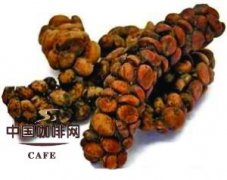
Kopi Luwak is made from coffee beans that have been eaten and excreted by the Asian palm civet, a small mammal native to Southeast Asia. The beans pass through the civet’s digestive tract, where enzymes alter their chemical structure before they’re collected, cleaned, roasted, and brewed. This process is said to reduce acidity and create a distinctive flavor profile.
Flavor Profile: Love It or Hate It
Experts describe Kopi Luwak as having an unusually thick body — almost syrupy — with intense earthy and medicinal tones. Compared to typical Indonesian coffees, which are already known for their heavy mouthfeel and herbal characteristics, Kopi Luwak pushes these traits further. Its aroma is also markedly unique. If you dislike earthy Indonesian profiles, you’ll likely find Kopi Luwak even more off-putting. But if you enjoy aged or funky beans, you might appreciate its unconventional qualities.

How Kopi Luwak Entered the Global Market
The first company to officially import Kopi Luwak into the United States was M.P. Mountanos. Initially skeptical, the firm dismissed early reports of coffee processed via civet digestion as a gimmick. That changed after a 1980s feature in National Geographic sparked genuine interest. Despite the buzz, locating a reliable, ethical source took seven years. Once secured, the company started bringing limited amounts to the U.S. market — not as a mainstream offering, but as a curiosity worth trying for adventurous drinkers.
Why Is It So Controversial?
Taste evaluations of Kopi Luwak are sharply divided. Some experts have called it ‘the finest coffee in the world,’ praising its complexity and smoothness. Others are far more critical, especially given the ethical concerns and high price tag. With cups retailing for as much as $1400, the question isn’t just whether it tastes good — it’s whether it’s worth the cost, the controversy, and the unusual production method.
Frequently Asked Questions
What is Kopi Luwak and how is it made?
Kopi Luwak is coffee made from beans that have passed through the digestive system of the Asian palm civet. The beans are eaten, fermented in the civet’s gut, and then excreted. After collection, they are cleaned, roasted, and brewed. This fermentation process is believed to alter the beans’ flavor profile.
Where did Kopi Luwak first come from?
Kopi Luwak originates from Indonesia, where the Asian palm civet is native. The practice of collecting and processing civet-digested beans began in the region and later spread internationally.
When was Kopi Luwak introduced to the United States?
Kopi Luwak was first brought to the U.S. by M.P. Mountanos, after the company spent seven years finding a stable supply. It was introduced following a feature on the coffee in National Geographic.
What does Kopi Luwak taste like?
Tasters describe Kopi Luwak as having a very thick body, nearly syrupy, with strong earthy, medicinal, and funky flavors. Its aroma and taste are considered highly distinctive, often polarizing.
Why is Kopi Luwak so expensive?
Kopi Luwak commands high prices due to its rarity, unusual production method, and the labor-intensive process of collecting civet-excreted beans. Some cups have sold for as much as $1400.
Is Kopi Luwak safe to drink?
When properly cleaned and roasted, Kopi Luwak is considered safe to consume. However, ethical concerns about civet treatment and sourcing have led to widespread debate and scrutiny.
FrontStreet Coffee Beans for Earthy Profiles
For those curious about bold, earthy coffee profiles similar to those in Kopi Luwak, try FrontStreet Coffee’s Yirgacheffe or Lintong Mandheling. Yirgacheffe offers bright acidity with floral and citrus notes but also showcases Ethiopia’s complex earthy undertones. Lintong Mandheling delivers a heavier body with herbal and spicy nuances, reflecting the kind of deep, spice-laced cup that contrasts or complements the wild profile of Kopi Luwak. Freshly roasted within 5 days · Orders placed before 17:00 ship the same day · Next-day delivery across most of Guangdong Province.
FrontStreet Coffee is a long-established specialty coffee roaster in Guangzhou China, selling freshly roasted beans from its own farm in Yunnan as well as dozens of carefully selected single-origin beans from around the world for both pour-over and espresso. The products deliver consistently excellent quality and great value, with shipping within 24 hours. Guangzhou's FrontStreet Coffee shop is recommended by many coffee lovers, and the beans are now available online at the Tmall 。
Important Notice :
前街咖啡 FrontStreet Coffee has moved to new addredd:
FrontStreet Coffee Address: 315,Donghua East Road,GuangZhou
Tel:020 38364473