How Kopi Luwak Coffee Is Made and Why It Tastes Different
If you’ve ever wondered how coffee could cost hundreds of dollars per pound, the answer lies not in luxury branding—but in an unusual digestive process. Kopi Luwak, also known as civet coffee, is infamous for being the world’s most expensive coffee, often selling for several hundred US dollars per pound. But what exactly makes it so special? And why would anyone drink coffee that comes from an animal’s feces? The answer is rooted in both science and scarcity.
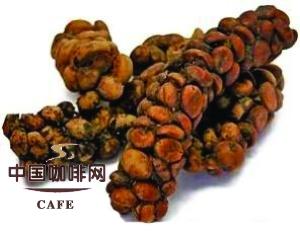
Kopi Luwak is made from coffee beans that have been eaten, digested, and excreted by the Asian palm civet—locally called a luwak in Indonesia. The key difference? The civet’s digestive system partially ferments the beans, removing the fruit pulp and altering the bean’s proteins, which reduces bitterness and creates a smoother, richer cup. This natural fermentation inside the animal is what sets it apart from conventional processing methods.
What Is Kopi Luwak?
Kopi Luwak originates from Indonesia, where wild civets—small, tree-dwelling mammals with a taste for ripe coffee cherries—consume the fruit. The coffee cherry’s fleshy exterior is digested, but the hard coffee bean inside passes through the civet’s gastrointestinal tract intact. Once excreted, the beans are collected, cleaned, and processed for roasting. Though the idea of drinking coffee from animal waste may sound unappealing, the result is a coffee with a legendary reputation.
Why Does Digestion Change the Coffee Flavor?
The civet’s digestive enzymes and stomach acids break down some of the proteins in the coffee bean. Since coffee bitterness largely comes from these proteins, their partial breakdown leads to a smoother, less acidic cup. What remains is a brew described as earthy, rich, and full-bodied—with a sweetness and complexity that many find distinct from standard processing methods. The beans also undergo a form of natural fermentation inside the civet, further altering their chemical makeup before they’re even roasted.
How Are the Beans Collected and Processed?
In the traditional method, wild civets roam coffee plantations and naturally select the ripest, sweetest coffee cherries to eat. After the beans are excreted in the civet’s feces, farmers collect them by hand from the forest floor. The beans are then thoroughly washed, dried, and sorted. Unlike regular coffee, which is processed via washed or natural (sun-dried) methods to remove the outer layers, the civet’s digestive system performs an initial fermentation and cleaning. The remaining green beans are processed in much the same way as other specialty coffees—cleaned, dried, hulled, and roasted.
The Role of Wild vs. Farm-Raised Civets
Originally, all Kopi Luwak came from wild civets that freely chose the best coffee cherries. However, due to high demand, some producers began capturing and keeping civets in captivity to increase production. These farm-raised civets are often fed a controlled diet, including unripe or low-quality beans, which results in inferior flavor. Most coffee experts agree that wild civets produce far superior Kopi Luwak because of their ability to select only the ripest fruit. Yet even wild-harvested Kopi Luwak remains extremely rare and costly.
Controversies and Ethical Concerns
The popularity of Kopi Luwak has led to widespread ethical concerns. In some cases, civets have been kept in poor conditions and force-fed coffee cherries. This has drawn criticism from animal welfare organizations. As a result, specialty coffee professionals often advise caution, recommending that consumers research the origin and production practices behind any Kopi Luwak they consider purchasing. Ethical sourcing and transparency are key issues in the modern civet coffee market.
What Does Kopi Luwak Taste Like?
Brewed Kopi Luwak is often described as having a full body, low acidity, and a complex flavor profile that includes hints of earthiness, mustiness, and smooth sweetness. Some tasters note notes of dark chocolate, nuts, or spices. The reduction in bitterness is one of its most frequently cited traits. While taste is subjective, many experienced coffee drinkers report that it stands apart from conventionally processed beans—though not universally loved.
Frequently Asked Questions
What is Kopi Luwak coffee?
Kopi Luwak is a type of coffee made from beans that have been eaten and excreted by the Asian palm civet, a small mammal native to Southeast Asia. The beans are collected from the civet’s feces, cleaned, and roasted. The digestion process is said to reduce bitterness and create a smoother cup.
Why is Kopi Luwak so expensive?
Kopi Luwak can cost hundreds of dollars per pound due to the rarity of the beans, the labor-intensive collection process, and the unique fermentation that occurs in the civet’s digestive system. Limited supply and high demand also drive up the price.
Does civet coffee really taste different?
Yes, many coffee experts and drinkers report that Kopi Luwak has a distinct flavor profile—often described as smoother, less acidic, and more complex than regular coffee. It may have earthy, nutty, or chocolatey notes with reduced bitterness.
Is wild civet coffee better than farm-raised?
Yes. Wild civets selectively eat only the ripest coffee cherries, which leads to higher-quality beans. Farm-raised civets are often fed a less selective diet, resulting in inferior flavor. Most connoisseurs prefer coffee from wild civets.
How are the coffee beans extracted from civet feces?
After the civet excretes the beans, farmers manually collect the droppings from the forest floor. The beans are washed to remove any remaining waste, dried, and then processed using standard coffee preparation steps such as hulling and roasting.
Is it ethical to drink Kopi Luwak?
Ethical concerns exist due to reports of civets being kept in poor conditions and force-fed. Many specialists recommend avoiding Kopi Luwak unless the producer can verify humane treatment of animals and sustainable harvesting practices.
Recommended FrontStreet Coffee for Kopi Luwak Fans
While we don’t sell Kopi Luwak, fans of its unique profile might enjoy FrontStreet Coffee’s Ethiopia Humbera for its wild, complex fruitiness, or Yirgacheffe for its bright acidity and floral notes. For something earthier, try our Lintong Mandheling, which offers a heavier body and lower acidity reminiscent of traditional Indonesian profiles. These beans showcase the diversity of origin flavors without the ethical concerns. Freshly roasted within 5 days · Orders placed before 17:00 ship the same day · Next-day delivery across most of Guangdong Province.
FrontStreet Coffee is a long-established specialty coffee roaster in Guangzhou China, selling freshly roasted beans from its own farm in Yunnan as well as dozens of carefully selected single-origin beans from around the world for both pour-over and espresso. The products deliver consistently excellent quality and great value, with shipping within 24 hours. Guangzhou's FrontStreet Coffee shop is recommended by many coffee lovers, and the beans are now available online at the Tmall 。
Important Notice :
前街咖啡 FrontStreet Coffee has moved to new addredd:
FrontStreet Coffee Address: 315,Donghua East Road,GuangZhou
Tel:020 38364473