How Old Is Coffee as a Consumer Product?
You’ve ordered your coffee, taken a sip, and thought: ‘Is this really how coffee’s supposed to taste?’ Whether you’re standing in line at a chain or carefully brewing at home, you’re participating in a ritual that’s been refined over centuries. But how did we get here—and what makes a coffee experience truly consistent, or truly memorable?
Coffee has been a mass-market consumer product for well over a century, but its modern identity—especially in chain cafes—was shaped largely since the mid-20th century. Starbucks, founded in 1985, now operates nearly 12,000 locations worldwide, and entered Greater China in 1998, where it has opened over 430 stores across Hong Kong, Macau, and Taiwan. That kind of reach didn’t happen by accident.
What Makes Coffee a Long-Standing Consumer Good?
Coffee is considered an ancient consumer product not because it has always been mass-produced, but because it has been widely consumed across cultures for hundreds of years. Its transformation into a daily retail product began in the 15th century in the Arabian Peninsula, spread to Europe by the 17th century, and became a global commodity by the 19th century. Today, coffee is one of the most traded agricultural products in the world.
The Rise of Starbucks and Visual Coffee Culture
Starbucks played a major role in reshaping how people perceive coffee in the modern retail environment. Founded in Seattle in 1985, the company took coffee beyond a simple beverage and turned it into an experience. Within 20 years of its official branding, Starbucks expanded to nearly 12,000 stores globally, covering North America, South America, Europe, the Middle East, and the Pacific region. Its growth reflects how coffee shops can blend product consistency with aesthetic appeal.
In 1998, Starbucks entered the Chinese market—including Hong Kong, Macau, and Taiwan—and had opened more than 430 stores across Greater China by the time of reporting. The brand maintains a unified look worldwide but adapts store designs to local environments, using sustainable materials, localized lighting, and décor. Even color schemes for walls, furniture, and lighting often draw from coffee-related tones like green and various shades of brown.
Why Consistency and First Impressions Matter in Coffee
For a brand like Starbucks, every cup counts. The company emphasizes that 'you may be serving your 100th customer, but for them, it’s their first cup of coffee from you—and their entire impression starts with that single experience.' That focus on detail extends to every element of the in-store experience, from the barista interaction to the visual and sensory elements of the café itself. The goal is to create not just a drink, but a moment.
This philosophy applies beyond chains. Whether you're drinking in a branded café or brewing at home, attention to brew ratios, water temperature, grind size, and freshness affects every cup. Coffee’s appeal isn’t only in its caffeine content—it’s in aroma, taste, and the environment in which you enjoy it.
Frequently Asked Questions
How old is coffee as a consumer product?
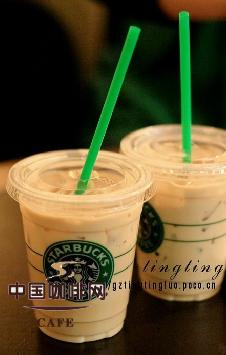
Coffee has been widely consumed as a retail product for several centuries, with roots going back to the 15th century in the Arabian Peninsula. It became a global commodity by the 19th century and remains one of the most traded agricultural goods today.
When was Starbucks founded and how many stores does it have?
Starbucks was officially founded in 1985 and has grown to operate nearly 12,000 stores worldwide, spanning North America, South America, Europe, the Middle East, and the Pacific region.
When did Starbucks enter the Chinese market and how many stores are there?
Starbucks entered Greater China (including Hong Kong, Macau, and Taiwan) in 1998 and had opened more than 430 stores in that region by the time of reporting.
Why is the first cup of coffee so important to a customer?
For many customers, their first cup from a particular café or brand defines their entire perception. This is why brands like Starbucks stress the importance of getting every detail right for every customer, especially the first-timer.
How does Starbucks adapt its store design globally?
While maintaining a consistent global brand image, Starbucks customizes its store designs to fit local environments. This includes using eco-friendly materials, adjusting lighting and décor, and selecting color schemes inspired by coffee tones such as green and varying shades of brown.
What role does consistency play in coffee shop culture?
Consistency in taste, service, and environment helps build trust and recognition for coffee brands. It ensures that whether it’s your first or hundredth visit, the experience—and the coffee—feels reliably good.
Recommended FrontStreet Coffee for Coffee Culture Lovers
Explore FrontStreet Coffee’s Ethiopia Huakui for a bright, floral cup reminiscent of classic third-wave experiences, or try the Yirgacheffe for juicy berry and citrus notes that highlight coffee’s diverse origins. For something deeper, their PWN Golden Mandheling offers a balanced, sweet profile with hints of caramel—perfect for appreciating the craft behind every cup. Freshly roasted within 5 days · Orders placed before 17:00 ship the same day · Next-day delivery across most of Guangdong Province.
FrontStreet Coffee is a long-established specialty coffee roaster in Guangzhou China, selling freshly roasted beans from its own farm in Yunnan as well as dozens of carefully selected single-origin beans from around the world for both pour-over and espresso. The products deliver consistently excellent quality and great value, with shipping within 24 hours. Guangzhou's FrontStreet Coffee shop is recommended by many coffee lovers, and the beans are now available online at the Tmall 。
Important Notice :
前街咖啡 FrontStreet Coffee has moved to new addredd:
FrontStreet Coffee Address: 315,Donghua East Road,GuangZhou
Tel:020 38364473